
Your Custom Text Here
Ep012 - Get In, We're Going to McDonald's - Lisa Stelly
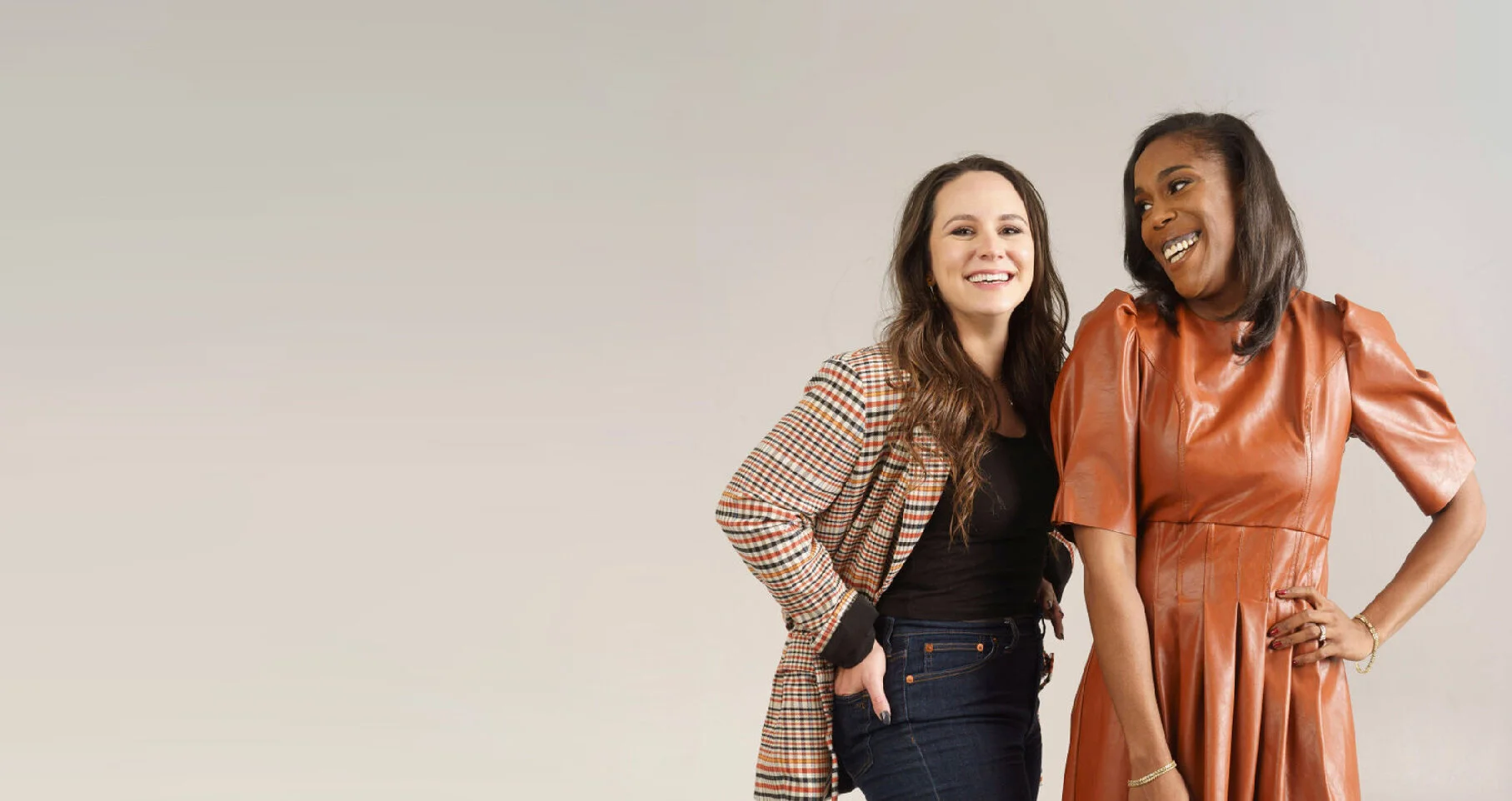
In this episode, Ashley Brooke James and Elizabeth Moore join Lisa Stelly for a delicious episode on creativity, fast food, and sprinkles that could survive an apocalypse.
If you're a fan of the McDonald's spicy chicken sandwich, or need a little dose of self-compassion, this episode is for you.
TW: Disordered Eating, Body Image
Thanks for listening to Wellness, Community, Magic, a podcast with a pro-donut, anti-racist, Glenda-the-good-witch agenda. In this episode, Ashley Brooke James and Elizabeth Moore join Lisa Stelly for a delicious episode on creativity, fast food, and sprinkles that could survive an apocalypse.
If you're a fan of the McDonald's spicy chicken sandwich, or need a little dose of self-compassion, this episode is for you.
Tune in next week for lots of moss and magic.
Links:
Full Transcript:
[00:00:00] We would like to open this episode with a trigger warning, as it contains discussion of eating disorders, body image issues, and or weight loss or management. If this does not feel safe for you at this time, please skip the episode and come back to it if and when you're ready. After, you know, I got like an official like partner. I, the first thing I said was we need to get a CEO in here because I am A, not a CEO and B I don't want to be one and I don't ever want to be one in the future.
[00:00:30] So I really wanted someone to come in and like, steer the business in the direction it needed to go so that I could focus on the creative and the content and the product development, the things that I'm really good at.
[00:00:41] And I think that that's one thing that entrepreneurs sometimes struggle with. That was the voice of Lisa Steli, founder and CCO for Fancy Sprinkles. In desperate need of a delicious star shaped sprinkle for a 4th of July cake, Lisa remembered the [00:01:00] sweet and crunchy sprinkles she had discovered while traveling in Europe.
[00:01:04] She realized the key was to use powdered sugar instead of the wax and cornstarch used in most American sprinkles and decided to make them herself. A friend encouraged her to sell her sprinkles after trying them on a donut and Fancy Sprinkles was born. Today we're talking about identifying and following your strengths, the importance of play and listening to your inner child.
[00:01:31] Hi everyone. We're your hosts, Ashley Brooke James and Elizabeth Moore, co founders of TRILUNA and this is the Wellness Community Magic podcast. A podcast with a pro- donut, anti-racist, Glenda- the- good- witch agenda. We're here to take on diet culture by making self-care realistic, sustainable, and inclusive.
[00:01:51] So settle in, get cozy and join us on our journey to build community and redefine wellness. Let's get started.
[00:02:02] [00:02:00] Thank you so much for being here. We like to start the podcast off by asking everyone the same question. And the question is if you were any donut, what donut would you be and why? If I was a donut. I would probably choose classic glazed. I'm sure a lot of people say that, but it's true. It's like, if you're in the mood for a donut, you can either be in the mood for chocolate or something with sprinkles or like a maple.
[00:02:33] But if someone gives you a glaze, like if they're out of the other ones, you're not sad about it. You know what I mean? So it's like glazed is the classic. Yeah. You just like, can't go wrong with a glazed. So our second part to that question is why doesn't your donut have sprinkles on it? Um, because they don't sell good sprinkles anywhere except uh, we're the only people that make good sprinkles.
[00:02:58] Yeah. I [00:03:00] don't, I never get sprinkles on anything at any ice cream places or donut shops because the sprinkles that are out there just, they don't have any flavor. They're kind of waxy and mushy. They don't add anything. So I'm like, I'll scrape them off. So that's like the perfect segway because I have been obsessed with fancy sprinkles for about a year now, since I discovered you like pretty, pretty majorly obsessed.
[00:03:25] And I did not know that I was a sprinkle person. Because I had never had good sprinkles. I'm also a kind of a branding freak so I had never seen sprinkles with good branding. So when I found the marriage of those two things, I was like, they're going in every box. We're going to have them all over our house.
[00:03:42] I'm not eating anything unless it has sprinkles on it from now on it's because it's so little, I have like an entire cabinet now just full of fancy sprinkles. She just loved to look at them. Do you just like to look at them? Sometimes they just make you happy when you look at them? They do. And I think I like to collect [00:04:00] things.
[00:04:01] And so I have, like, I like having my collection of sprinkles and glitter much to the chagrin of my poor boyfriend who absolutely hates glitter. I now put it in all of my cocktails. It's in all of my wine. I travel with it. It comes with me everywhere I go.
[00:04:19] I have to admit I'm not as sprinkle crazy as Liz, but I do have a collection and I do like them on a nice cocktail. Um, I was following you like crazy during the holidays because you were like posting a lot of different cocktails with them and like this, now this is my jam right here. On a latte, on a anything like, yes. That's where I fall in love with the sprinkles and I love the branding.
[00:04:50] I love the, um, the, the one sweatshirt I asked Nick about and he was like, yeah, we don't have those anymore. The sprinkles snob, sprinkles snob. That one, like I love all the [00:05:00] branding, the apparel. It's great. I think that's a good segway into why you like them. And the reason for that is because you have been doing a lot of inner child work.
[00:05:14] And this was something that you felt was just like, really brought that to you. And so I want to direct the question to Lisa as to first, why sprinkles? And do you feel like this plays right there with the inner child work that we should all be doing? Yeah. Yeah. So to answer part one of that question, why sprinkles?
[00:05:38] It really all started when I started getting into cake decorating as a hobby. After my second daughter was born, I was super depressed. I had really terrible postpartum depression, anxiety, and it just, I felt like my entire life was about being a mom and having kids. And I just felt like I didn't have anything that was mine, um, that I could do that had nothing to do with [00:06:00] them.
[00:06:00] So I sort of went down the rabbit hole of like, cake decorating videos on YouTube. And I've always historically done things in the art space. Like whether it's painting or crafting, I'm just like, I'm really handy and nifty. Like I, I do all kinds of stuff around the house. Um, and I was like, I could do that.
[00:06:16] Um, and so I just sort of like watched a bunch of YouTube videos and then I researched it, bought all the stuff and then I just started cake decorating and I fell in love with it because I always explain it like. Artists typically really subjective to the person who's viewing it. I can look at a painting and say, Oh, that's beautiful.
[00:06:34] That really speaks to me. And then you, Ashley, can look at it and say, I don't get it. I get it. But nobody looks at a beautifully decorated cake and says, I don't get it. They say, Oh my God, that's amazing. I want to eat it. It's beautiful. So, and it's also something that you can start to finish in one setting where you don't have to like go back to a painting and maybe forget it and become uninspired.
[00:06:54] So that's why I was really drawn to cake decorating. Um, and then once I [00:07:00] started going down that path and that became my hobby, I realized, wow, there's nothing on the grocery store aisles or crafting store aisles that's speaking to me. It's all really terribly packaged. I'm the type of person who buys things based on packaging.
[00:07:12] So like, If they got eight shampoos, I'm picking the one that I liked the brand in the best. So on that person, there was a lot of me out there. And so I was like, nothing speaking to me. I don't understand any of these products. I felt like there was a huge barrier to entry into like what I was buying. You know, I just felt like brands weren't doing a great job of explaining what the products were for, how you could use them, and there was certainly nothing that I wanted to put on my calendars that like matched with my decor.
[00:07:39] I was like, wow, the sprinkles are really ugly. And I would see like, you know, people from other countries posting like more beautiful sprinkles.
[00:07:45] And at that time I was traveling a lot. Um, and I was in Germany and I came across these sprinkles and they just looked so pretty. They didn't look like the sprinkles that I was used to and I tasted them and they tasted like powdered sugar. They were so crunchy. They were [00:08:00] delicious. I was like, what are these. Like, why don't we have these? Where in America, where we live.
[00:08:05] And so that kind of got my wheels turning and I just decided to like start the business. It started really small. And then from there it just grew because there was a need for it. And I think when there's a need for something, it naturally just has a path and a course to success because you know, some of the best ideas are born out of necessity.
[00:08:25] And to your second question about exploring my inner child in this business, I think it's huge for me because you really have to get in touch with not only your creativity, but also allow yourself to just have fun and play with things. I have three children. So I would say probably in the last eight years, I've done more inner child work than ever before.
[00:08:51] I think it's really important. I think play is a major part of creativity, um, and how you can heal a lot of past trauma. [00:09:00] And things like that through just like play. So I play with my kids all the time. I play make-believe with them, lots of imagination games, and just kind of like, I'm just inspired by them and their innocence.
[00:09:13] And I think it sort of makes me look back and reflect on myself. I think empathy is a really big part of learning about your inner child. I read a book once. I can't remember the name of it. It was kind of a trash book, but there was one part of it that, that really resonated with me. And it's sort of, she didn't use the words inner child, but she used the words younger self.
[00:09:36] And I think, especially as women, a lot of times we look back on our past experience and, you know, we'll say things that are really degrading. Like, God, I was so stupid then, or why did I do that? And I think if we look at ourselves, our younger selves, like we would be looking at someone else. And, you know, I would have empathy for [00:10:00] a 20 year old girl who maybe is in an abusive relationship who is having a bad time and is making some bad decisions.
[00:10:06] I just have empathy for her. So why can't we look at our younger selves that way and say, my 20 year old self, like have empathy for her, it's me, but I'm having empathy for her. And I think we can heal a lot of past traumas and explore in our child more whenever we have empathy for our younger selves.
[00:10:23] Yeah, I really love the idea of not just sprinkles, but creativity and inner child work as self-care and yours came, it sounds like, actually as a form of self-care to find something for yourself to work through some anxiety and some postpartum. And I, I think it's such a unique perspective on how to engage in self care, because usually we, we pigeonhole ourselves in the idea that it needs to be like a bubble bath or it needs to be exercise, or it needs to be kind of these like more traditional forms of wellness, but play and joy is such an important part of that.
[00:10:57] And I think that's why I fell in love with the sprinkles earlier on this [00:11:00] year, when it was like, everything was so bleak and hard. And I just wanted a little bit of joy and it happened to come at the time that I found this like rainbow color plethora of sprinkles and glitter. And it was just the exact thing that I needed.
[00:11:16] And it's not, it's not normally something I would associate with myself. I like wear all black and white and Brown, and I don't have a ton of color in my home until now. And it has brought so much relief into my environment to have color like that in it. Yeah. Yeah. Sometimes I entertain myself by reading Facebook comments from people who are maybe not even a customer or a follower.
[00:11:40] And over the summer when we did a lot of ads featuring prison powder in Rose and cocktails and wine, so many people and you remember this was like, pandemic was like, we were all really kind of shut-ins like, we weren't really doing anything. And it was sort of the beginning of it. And so many people had such negative comments.
[00:12:00] [00:11:59] Like I don't get it. What's the point, but why? And I was like, because it's fun. Like just let me live. Like, you know, so many people loved it and they were like, Oh my gosh, this makes me so happy right now. It's like, you know, if I can just give anyone a little bit of joy, you know, it's like, it's the little things.
[00:12:18] It's the little luxuries. It's not, it's not, it doesn't mean a diamond ring. It doesn't mean, you know, a Prada handbag. It's just like the little tiny luxuries that can make you kind of feel elevated throughout your everyday life. Why not? Yeah. Yeah. Yeah. And I like how Liz put that, that was you finding self care for yourself because you know, we're, we're big believers of the world making us feel like we're not well enough.
[00:12:45] And one of the things that attracted me to you was the fact that I'm out here. I'm about to go to McDonald's, I'm about to eat these sprinkles. I'm about to live my best life [00:13:00] and I don't care. I mean, and what I love the most is that you're in California, right? Yeah. It's very taboo. And I was like, you know what? She is real.
[00:13:09] I really like the realness about her. I really liked the fact that she's not letting the world tell her that she's not well enough because so many times, obviously with us being a wellness company, we see that. We have these conversations.
[00:13:24] So where did you get to that point where you're, you know, being in LA, obviously in California and there's so many, you have to look like this, you have to eat this, you have to, when did you come to a point where you were like, you know what, I'm going to do whatever it is that makes my soul happy, or have you always been that way?
[00:13:43] I think I've always been that way. I'm from Louisiana. I grew up on the Bayou and I just, you know, when I moved here, I was really young and I was in the modeling industry and so, you know, I kind of developed early [00:14:00] physically. So even when I was a young girl, I was always really self-conscious about my body because I developed early.
[00:14:05] Right. And I'm in the South, it's like, Oh, you need to cover up. Like, you know, so I always kind of had a complex about it. So whenever I became a model, it was like, here it is. You know, and then you're just judged so much. And I just hated it because it never really resonated with who I was as a person anyway.
[00:14:20] But, you know, I've gone through patches where I've been super self-conscious about my body, super insecure, like low self-esteem. But I would say probably just like in the last few years, like, I've really gotten a handle on it. Like I really don't care. Um, you know, I think it also has to do with like, you know, loving yourself, but also really believing it, being in healthy relationships, healthy friendships.
[00:14:45] Uh, you know, I stopped a couple of years ago. I stopped following a lot of Instagram accounts that were making me feel bad about myself. I was like, why am I following this? Like, I'm a mom with three kids. I'm a single mom now seeing all these mothers with their kids and matching pajamas and their [00:15:00] hair's like perfect.
[00:15:01] And. I'm just like, how? I just, and you know, it was just making me feel bad about myself. So I just stopped following those accounts. I think it's just like taking it out of your field of vision. You can't see it. It's out of sight out of mind. And at the end of the day, I've always suffered from anxiety disorders and the whole gambit of like ups and downs with depression.
[00:15:22] I talk about it all the time. I'm a big, big mental health proponent. I, I really, really believe in taking care of your mental health, whether that means taking medication for you or not. You know, I, I think, I think they go hand in hand. I think a lot of people who are anxious tend to scrutinize themselves more and then they have, again, the whole wellness industry is like, You're not well enough, like you were saying, it's, you know, and it's just like, well, geez, I'm doing everything right.
[00:15:48] I'm not drinking out of BPA plastic. I'm eating healthy. I'm eating organic, but I still feel like shit. Because if you don't have your mental health together, you're going to feel terrible. Honestly, when [00:16:00] I was eating a hundred percent organic years ago after I had my first child, I was, you know, I couldn't breastfeed anymore.
[00:16:05] Cause I was so stressed out. I was making formula for my daughter. Like I was like a hundred percent organic. I almost passed out in the mall once because I refused to eat anything in the mall. And I'm like, this is not healthy. No, I was more miserable than I had ever been. My weight was not great. I was too thin and too thin from my own health.
[00:16:25] Not like looks wise, but a lot of it is really just like a lie and it comes down to health, to happiness. I'm not preaching for people to be unhealthy. I'm not preaching for people to eat McDonald's every day. I'm saying, if it makes you happy eat the damn cupcake. Yeah. You actually said a quote that we say all the time when you were talking just now, I mean, you didn't say the exact words, but you basically said it.
[00:16:47] We say it all the time. You can eat all the kale in the world, but if you have a ton amount of stress, what is that going to do for you? Nothing. Cortisol is a real thing. Yeah. It's a real thing. People, you know, it's like, I was stressing [00:17:00] more about the amount of wellness I was doing. I had like 55 supplements everyday.
[00:17:05] I was stressing out about taking my supplements, drinking my green juice, reading all these blogs about, well, no, we've actually discovered the cure for thyroid issues. And I'm like the reason I have thyroid issues is cause I'm so stressed out trying to do well. So I really had to find the balance. And, you know, like, I think I have a good balance now.
[00:17:23] I still eat a lot of organic foods. I love healthy foods. I love salads. I love vegetables. I eat all of that stuff. But when I want a slice of cake, I eat a slice of cake and I don't feel bad about it. And I think just not feeling bad about it and not stressing out about what it's doing to my body is actually healthier then if I would not eat the cake.
[00:17:46] Absolutely. We talk about that all the time. The impact of guilt and how that lives and manifests in your body and it is corrosive and it's, yeah, I mean, if you're stressing out about not getting the right green [00:18:00] juice and you're raising your cortisol levels as a result, you're making yourself less well.
[00:18:04] And we find ourselves in the wellness space, we find ourselves doing so much unlearning and trying to help the people that we work with unlearn, but it is so deeply engrained in how we see the world. And it's like things that are actually not grounded in that much science are seen as fact. Like BMI is like a totally BS metric.
[00:18:28] It's complete bullshit, but we have taken it as a Cardinal fact and it just builds this guilt. And then also people don't get the kind of medical attention that they need because people are making assumptions about them based on absurd metrics like BMI. So it's yes, we understand what you're saying.
[00:18:45] We're exactly on the same page. You're speaking our language, Lisa. There is a lot of, um, eating disorders too, around wellness, like there's obsessive compulsive eating like healthy. Um, where people like make themselves sick and they're not getting the right nutrients because they think that if they only eat [00:19:00] kale or broccoli that they're getting, that's all they need.
[00:19:03] Like there's people who don't eat and they try to absorb the sun. Like they're a plant, photosynthesis. Yep. I met someone who claimed to be a breatharion on a retreat in Bali, and it was truly one of the most bizarre experiences of my lifetime. I'm just really happy that she used the word photosynthesis.
[00:19:22] I hadn't heard that word in a long time, so thank you. I also want to ask, I want to talk about more sprinkles. There is more sprinkles to talk about, but I do have to ask you, what do you get when you go to McDonald's? It depends on my mood. If I'm really hungry, um, I get the crispy chicken deluxe combo. But if I'm just like want a little snack, I'll get a large fry and a diet Coke with extra ice.
[00:19:49] Or if I want like a medium snack, I'll get a McChicken with fries and a Coke. But I read recently, every time I go, I'm like so mad because they got rid of [00:20:00] the spicy chicken sandwich, which I loved, but I saw it on a bus the other day an ad, it's coming back. And I was like, yes. That's amazing. I will, to the end of my life claim that McDonald's has the best soft serve ice cream.
[00:20:16] Oh yeah. If their machine works. Yeah, that's true. We need, like my best friend literally has a machine, a McDonald's machine locator app, Kiva, to see if it's working or not. I didn't realize so many things. Yeah. Because so many don't work. My favorite thing at McDonald's is in the fall when they have those, the pumpkin cream pies.
[00:20:38] I eat like, I eat so many of them and guess what? I put sprinkles on them this year. Oh, wow. That's amazing. I didn't eat. I've never even heard of that. Oh my gosh. Every time I left your house, there is a McDonald's right there.
[00:20:55] My other guilty pleasure I have to say is Taco Bell, like forever big [00:21:00] Taco Bell fan. I haven't had Taco Bell in a while, but I think the one, okay. There's a Taco Bell in East Nashville that is like notorious. Like they do the crate, like they'll put like one piece of lettuce in, in a taco shell and like serve it out.
[00:21:14] And so there's like whole threads in the East Nashville Facebook group just dedicated to pictures of how badly this Taco Bell is getting it wrong. And it is one of my favorite things. Do you guys have Checkers? No, but I grew up with Checkers, okay. You know, those fries, you can not. Go by it's one in East Nashville.
[00:21:32] When you said East Nashville, I was like, Oh my gosh, every time I'm there, I'm like, I gotta have Checkers fries, this greasy cheeseburger. It's like Popeye's fries, but better. They're always hotter. And then my favorite part is when you pull up and they say, "Welcome to Checkers. Say Checkers when you're ready."
[00:21:56] Oh, that's hilarious. That's great. That's not where I thought this [00:22:00] conversation was going to go. And I'm so happy. I'll talk about fast food all day. And I was going to take this opportunity because like, I still have those moments where I'm like, I just want a double cheeseburger. I just want a soft serve ice cream with some fries to dip it in, you know, so I wanted to have this conversation with the like-minded individuals.
[00:22:19] So thank you for going out of the road and off the road with that. So did you like. We know as an adult, you didn't think that sprinkles were good, but as a child, did you like sprinkles? No. I've always had kind of a refined palette. I say as I'm like, um, I'm like a flavor person so if something doesn't have flavor and like the texture is wrong I'm just like, eh, next.
[00:22:47] So yeah, it was never really a thing where I was like, oh, sprinkles. A lot of kids just like sprinkles because it's rainbow and it looks like candy. You actually just taste store-bought sprinkles. They don't taste like anything. They're mushy, they're crumbly. It's [00:23:00] basically just like cornstarch, wax and like the smallest amount of sugar.
[00:23:04] I mean, they'll last through an apocalypse. They're just not great. They don't add anything. Um, and the difference between those sprinkles and ours is pretty simple. Ours are made from powdered sugar and they go through a process called hard baking so they're crunchy and they're sweet. They actually just taste like crunchy donut plays or something.
[00:23:23] Like they actually add something to it. So if you put it, you put it on ice cream it adds a crunch and like a little sweetness versus like just mushy, nothing. Yeah. The texture is it for me. I love crunch. I do too. Like I cannot eat a bunch of yogurt. Like for some reason, a lot of yogurt, like just makes me sick to my stomach.
[00:23:42] But my new favorite thing is a little bit of yogurt with fresh berries and sprinkles because it has the crunch and it has the tartness and then the honey makes it sweet. And then the berries make it sweet. It's like my new favorite thing right now. Yeah. If I have ice cream, I usually put like [00:24:00] nuts and sprinkles in it.
[00:24:00] Cause I don't really like everything. If something's too smooth, it tastes like baby food to me. The only smooth thing I like is McDonald's soft serve, but like, other than that, if I'm going to have like scooped ice cream, it has to have like nuts or chunks of something in it. Like I need to chew it. Yep. Same. That's why I like the sprinkles because it gives it a crunch.
[00:24:18] Yeah. And we have, okay. We have to talk about the names of these sprinkles. We have a weakness on our team and it is naming things. We really struggle with naming things. It is one of the hardest things I think we have to do, but every single one of your names are hilarious. And then the branding matches them so perfectly.
[00:24:38] And I talk about the branding all the time. How are you so good at naming? I don't know. It just comes to me. Do you have a process? Would you name this episode right now? Thanks.
[00:24:53] Give me a second. Let me noodle on it for a minute. Uh, I'll come up with something, but yeah, no. It's like, I go through an [00:25:00] entire creative process whenever we make bloods. So you know, we typically put them out in different collections as either a capsule collection or something that's evergreen, meaning it lasts year round.
[00:25:10] So I'll have an idea in my head of a color palette. And then as I'm making it, you know, I listen to different music. Sometimes inspiration strikes me when I'm like in the shower or most notoriously when I'm trying to go to sleep, which is the worst thing. I have like an expo marker next to my bed and if I have an idea when I'm trying to go to sleep, I just get up and write it on the mirror.
[00:25:30] Because that way I can go back to sleep and not be like, try to remember that in the morning. Right. So I keep dry erase markers next to my bed. And I'm like always writing on the mirror at like one in the morning being like, you know, so, um, I like edgy sort of irreverent fun names. I mean, it's like, it's not that serious.
[00:25:49] We're just selling sprinkles. I like to think I have a good sense of humor. I love making fun of myself. Um, like my dream is to be like roasted. [00:26:00] Like on a stage, with all my friends. I love that. Like, it's so hard to offend me. I'm like the least defendable person. Like, I don't know, I just come up with stuff and it's just, sometimes it's funny.
[00:26:11] And then sometimes I'll get input from other people, like, do you like this? But yeah, pretty much I do all of the naming. And the creating and the color palettes and the mood boards and the decks. I mean, we have like full creative decks and like it's a whole process for each blend to be born. But thank you.
[00:26:28] Yeah. So this all started as like a passion project around baking, and now you run and have founded this very successful company. What has it been like to go from a hobbyist to a real and true entrepreneur? Um, I'd probably rather cut off my right arm than re- live the first three years of a startup. Um, it was really, really rough.
[00:26:53] I'm not gonna lie, it's been very rewarding. Nothing has ever been more rewarding other than having kids, obviously, [00:27:00] but it's been very, very difficult. This started as something that I saw as something that I could do to essentially fill my time. I mean, I've always been sort of like dipping in and out of the entrepreneurial world.
[00:27:12] Like my dad's an entrepreneur. Like I knew I wanted to have a business. I just didn't know what was going to be this. And I didn't know what was going to take off like it did. And I didn't know it was going to get the interest that it got. So, you know, a lot of people want to work for us and we've really, um, got a stellar team now.
[00:27:28] Thank God. What, the reason I use the first three years is because we had a very, very small team. And I was like in charge of everything. I had like 17 jobs. So now it's gotten a lot better. We have a real CEO, which was one of the first things that I wanted to do, you know, as soon as we got, we got, um, funding. We did like our series a, of like two years ago.
[00:27:53] And after, you know, I got like an official like partner, I, the first thing I said was [00:28:00] we need to get a CEO in here because I am A, not a CEO and B, I don't want to be one and I don't ever want to be one in the future. So I really wanted someone to come in and like steer the business in the direction it needed to go so that I could focus on the creative and the content and the product development, the things that I'm really good at.
[00:28:18] And I think that that's one thing that entrepreneurs sometimes struggle with. You know, a lot of founders just naturally default to being the CEO. And that's great for some people, they might have the educational background for that. They might have an MBA, or this might not be the first company they founded.
[00:28:32] Um, but for me, because this was like the first company that I founded that actually was like really successful. From the start, I knew that that's not a role that I wanted. That's a tip to other entrepreneurs is if you don't think you can do it and you think it's going to hold the business, change it. You know, I do whatever's best for the business.
[00:28:51] So that was probably like one of the most significant positive steps that I took in being an entrepreneur was like not being afraid to say, okay, [00:29:00] I want someone else to come in and steer it. And that way I can just focus on what I'm good at and you can focus on what you're good at. I like to be the least smart person in the room.
[00:29:10] I like to be surrounded by people who are smarter than me, because that's really how you learn and grow. And then, you know, having honest conversations, taking feedback seriously. Yeah. These are just all things that are really good for entrepreneurs to know and learn and be able to execute on. I want to go back really quick and touch on what you said about doing what's right for your business because I thought that that was very, very smart for you to put that out there.
[00:29:35] And I think that's a part of the growth, right? Like my personal self, I have no marketing or branding or anything, and I don't claim to like, even want to know that. And I'm really finding my own personal path and what it is that I want to do for this company and for the future.
[00:29:50] And what I think is going to be best. But I just wanted to circle back around to that, because like you said, just because you started a business, doesn't mean that you have to be the one that's in the [00:30:00] driver's seat. And we have a local company here, Slim and Husky's is three guys. They're wonderful creators.
[00:30:07] Um, they have the first black owned business on Broad street, uh, here in Nashville. And they did that. And once they did that, their business went from being a local business to be, I think there's a Slim and Huskies in California now, or it's, it's on its way, but they're everywhere. But I just wanted to say that because we do have a lot of entrepreneurs that listen to our podcasts.
[00:30:30] And I think that that's something that people have to remember. And we say that about the wellness industry too. We say that, you know, just because someone is really great at their craft of whatever it may be doesn't mean that they are going to be the best at driving, being the leader. Yeah, we see that a lot in the wellness space is like people starting businesses because they like wellness and not because they like business.
[00:30:55] And then they get burnt out really fast because owning a business is a [00:31:00] completely different skillset from being a wellness instructor. And it's not that you can't do both. It's just that it's super, super hard. Yeah. In order to grow it. And it just depends on what your business plan is, you know, is it a business that you want to have forever and just take a salary from, is it a business that you want to scale and sell?
[00:31:20] Is it, you know, there's different types of businesses and different paths for every entrepreneur, but I made my decision early on about what I wanted this business to be and what I wanted to do with it. And I did everything that I had to do, and I sacrificed so much. I mean, my last baby that I had, I had her in beginning of 2018 and 2017 was the second year of my business.
[00:31:48] We were going through her first round of Series A funding and I was going through a divorce simultaneously. I don't even hardly remember it because it was so traumatic for [00:32:00] me going through all those different things at once, you know, I gave birth and then literally an hour later, I remember I was like brokering a customs deal from my computer an hour after giving birth.
[00:32:14] So there's a lot that people don't see that goes into being an entrepreneur. And like, you have to be prepared if you're going to start a business. To do that type of work. Like I was up till three in the morning, every single night and then up getting my kids ready for school. And somewhere along that path is where I decided like, okay.
[00:32:35] Like I have to, and I'm still, you know, I'm still struggling and learning self care. I think, I don't think self care is like, I've got it. I've figured it out; my path to wellness. I think it's a constantly evolving thing. And then I'm surrounded by people who check me, you know. I have a great relationship with our CEO and every week we talk and it's like, she's like, what can I help you with?
[00:32:59] What are you [00:33:00] struggling with? And she helps me prioritize my things. I think that's another really good mark of a CEO is that they can help you prioritize and help you feel like you're doing less, even if you're doing more. And so I really appreciate that relationship. And I think it's important for entrepreneurs and people in business to have relationships with other people who can sort of like help them see things from another perspective, because sometimes when you're doing it and you're in it, it's so hard to see that you're being spread so thin.
[00:33:27] It takes someone else being like you're spread too thin. Yeah, we've relied really heavily on mentors from the beginning to get, I don't even know if we'd be as far as we are right now if we hadn't had like a huge team of mentors. Yeah. You'll burn out and have like a full-on mental breakdown. I've had a couple.
[00:33:46] Yeah. Yeah. Christina is the CEO, correct? Yeah. Yeah. We actually have a funny story about how we got connected in the first place. I don't know if she's told you this, but we had put your sprinkles in one of our boxes. So we do wellness [00:34:00] boxes that are connected to content. And we had put you guys in our cozy yoga and pumpkin spice box, which is like one of the first ones that we did.
[00:34:08] And I don't know how we got connected, but she reached out to me and was like, Hey, I see a lot of similarities here. We should definitely collaborate. And I was like, actually, you're already in our box. And so it was like, from the beginning, we were like, Oh, this is like a dream collaboration. And now y'all are in every single box that we have.
[00:34:28] There's not a single box that you're not in. When I saw the box and I read about what you guys were doing, and I was like, this is exactly my philosophy. Yeah. I had no idea that there was anyone out there being like, no, this should be wellness. Yeah. Not what we traditionally think of wellness. And they were like, they're so on brand with you, Lisa, and everybody in the office was saying that. The universe pushed us together for sure.
[00:34:54] So before we wrap up, here I go with my two part questions [00:35:00] again. What has been your biggest challenge running this business? And then what has been your greatest reward? My biggest, I mean, there was multiple answers to each of these questions. The biggest challenge for me was not only just the day to day of figuring out how to run a business and just like having a fake it till you make it attitude.
[00:35:28] The biggest challenge for me, I would say would be managing the growth and managing my work personal schedule. I made the mistake of making no personal time for years. And I'm finally, as of the last year, really carving out personal time. And I think getting to that realization earlier would have been helpful to me.
[00:35:54] So I would say that that's definitely been the biggest challenge whenever you're busy and you're running [00:36:00] a business and you're doing all these different things, it's really hard to be like, okay, I need to stop and like go get a massage or sit outside in the sun for half an hour. Or like do something that I love doing like cake decorating.
[00:36:12] You know, there was like a six month period where I didn't decorate a single cake because I was too busy. So I think learning how to manage my personal life versus the business is a big, big one for me. And the most rewarding thing obviously is like, there are so many things, but it's really cool whenever people know about the brand that I would never expect to know about the brand.
[00:36:36] When I started dating my boyfriend, now, he was like, Oh, I told my friend about your company and his wife like popped on the phone and was like, Oh my God.
[00:36:48] Um, and one time I was in the grocery store and I was standing behind a lady and it's not that I was eavesdropping on her phone. She was just like right in front of me. And I could see my website on her phone. She was like on the Fancy Sprinkles website [00:37:00] in front of me in the grocery store line and I was like this is a trip.
[00:37:03] Like if I go into a bakery and I could see a sprinkle blend on some donuts or something, and I'm like, that's probably all the donuts. Like, you know, I went to an ice cream shop in LA and they were like, which sprinkles do you want? And I was like, that looks like unicorn barf. I looked in the back and I can see all the Fancy Sprinkles bags.
[00:37:21] So for me, that's been like the absolute, most rewarding thing is being like, Oh my God, it's working. So yeah, it's been great. Awesome. Well, Lisa, we could talk to you. We want to talk to you all day. All day long. Yeah. Um, when you make the trip to Nashville, we'd love to meet you in person. And we just want to thank you.
[00:37:45] We want to thank you for your time today in this conversation because it's just refreshing to us to be able to speak to like-minded individuals. And I feel like you were right there at the table with us when we decided to start TRILUNA, a lot of the stuff [00:38:00] that you said today. So I thank you for that.
[00:38:03] Yeah. And thank you for your team. Your team has been an absolutely extraordinary help to us. And we're so grateful for them. Thank you. Yeah, this is great. Next time you guys come to LA, let us know. You can come to the, um, sprinkle factory, Willy Wonka, sprinkle factory. I'd lose my mind. We're going to go to the sprinkle factory.
[00:38:22] Cool. And then me and you, we have that soft serve ice cream date with some French fries and the crispy chicken sandwich. Now I'm hungry. All right. Well, I guess that's it. And that's all.
[00:38:40] Thank you for listening to the Wellness Community Magic podcast. If you liked this episode, leave us a review or drop us a message and tell us your favorite part. You can find us on Twitter @wellness_pod or online at TRILUNAwellness.com/podcast. Tune in next week for more tough but necessary conversations about the future of self-care.
[00:39:00] [00:39:00] If you're interested in learning more about TRILUNA or ordering one of our wellness gift boxes for a loved one or yourself, check out our website at TRILUNAwellness.com.
Minisode - Snow Days, Bull Dogs, and Pudding Slander - Elizabeth Moore and Ashley Brooke James
Thanks for listening to Wellness, Community, Magic, a podcast with a pro-donut, anti-racist, Glenda-the-good-witch agenda. In this episode, Ashley Brooke James and Elizabeth Moore debate gelatinous foods and scheduled relaxation during a check-in with our team.
Thanks for listening to Wellness, Community, Magic, a podcast with a pro-donut, anti-racist, Glenda-the-good-witch agenda. In this episode, Ashley Brooke James and Elizabeth Moore debate gelatinous foods and scheduled relaxation during a check-in with our team.
If you are an old lady at heart, this minisode is for you.
Tune in next week for a conversation around inner child work and sprinkles.
Resources and Links:
Ep011 - Kiss with a Fist - Kia Jarmon
In this episode, Ashley Brooke James and Elizabeth Moore join Kia Jarmon to discuss philanthropy, decolonizing yoga, and "professionalism" (in air quotes).
If you struggle with the process of unlearning or asking the right questions, this episode is for you.
Thanks for listening to Wellness, Community, Magic, a podcast with a pro-donut, anti-racist, Glenda-the-good-witch agenda. In this episode, Ashley Brooke James and Elizabeth Moore join Kia Jarmon to discuss philanthropy, decolonizing yoga, and "professionalism" (in air quotes).
If you struggle with the process of unlearning or asking the right questions, this episode is for you.
Tune in next week for a check in with Ashley Brooke James and Elizabeth Moore.
Links:
Book Recommendations:
Library of Congress: Slave Narratives from Nashville, TN
The Art of Gathering: How We Meet and Why It Matters - Priya Parker
The New Jim Crow: Mass Incarceration in the Age of Colorblindness - Michelle Alexander
So You Want to Talk About Race - Ijeoma Oluo
Mediocre: The Dangerous Legacy of White Male America - Ijeoma Oluo
Caste: The Origins of Our Discontents - Isabel Wilkerson
White Rage: The Unspoken Truth of Our Racial Divide - Carol Anderson
The History of White People - Nell Irvin Painter
Post Traumatic Slave Syndrome: America's Legacy of Enduring Injury and Healing - Joy A. Degruy
White Tears/Brown Scars: How White Feminism Betrays Women of Color - Ruby Hamad
Be the Bridge: Pursuing God's Heart for Racial Reconciliation - Latasha Morrison, Daniel Hill
From Slavery to Freedom - Franklin Franklin
Fearing the Black Body: The Racial Origins of Fat Phobia - Sabrina Strings
Full Transcript:
[00:00:00] We would like to open this episode with a trigger warning as it contains discussion of racism, bigotry, and or other race-based trauma. If this does not feel safe for you at this time, please skip the episode and come back to it if and when you're ready. Maybe this is the question. Am I willing to be wrong?
[00:00:19] You know, am I willing to be wrong about almost everything that I've learned and giving yourself the grace to believe that your parents did the best that they could with the resources that they had. Those resources may have not been great and what they taught you might not have been great, but they did the best they could.
[00:00:37] You get a chance to make a different decision about how you want to identify in the world, how you want to socialize with the world and who you want to be. That was a powerful voice of Kia Jarman. Kia works at the intersection of community, culture, crisis and communication while guiding leaders, organizations, and systems on a path to improvement.
[00:00:58] Central to Jarmin's work is asking the [00:01:00] right questions, disrupting existing processes and designing solutions that get to the root of a challenge. Today we're talking about philanthropy, economizing yoga, and "professionalism" in air quotes.
[00:01:13] Hi everyone. We're your hosts, Ashley Brooke James and Elizabeth Moore, co founders of TRILUNA and this is the Wellness Community Magic podca. A podcast with a pro- donut, anti-racist, Glenda- the- good- witch agenda. We're here to take on diet culture by making self-care realistic, sustainable, and inclusive. So settle in, get cozy and join us on our journey to build community and redefined wellness.
[00:01:39] Let's get started.
[00:01:43] Okay. Kia, we start with our favorite question in all the world. If you were a donut what kind of donut would you be? I think I would be glaze. And I know that that doesn't, that seems counter to who I think people know who I am, [00:02:00] because it's very simple, but I like for people to maybe underestimate my amazingness.
[00:02:06] So I think glaze is pretty amazing because it's simple, but yet it is delightful. Yeah. So you said that it is counter to what people usually think. And one of my favorite things about you is that you describe yourself as a kiss with a fist. Will you explain to our audience what that means and how that shows up in your life, your personal life and your business life?
[00:02:30] Yes. So, um, I did not name myself that, um, because it's probably just, it's just very brilliant, but someone I used to, um, have an online show and the producer called me back and I took it as a compliment and she meant it that way. Uh, how I show up in that way is really candid care.
[00:02:49] My job is to make sure that I disrupt the process that you already have in your brain personally and professionally and then, but also do it with grace [00:03:00] and integrity and love so that you know that you're not alone because I think sometimes we take people. We, we take them to a point and then we don't bring them back.
[00:03:09] And so my job is to get you there, get you to think deeper. And then also to bring you back to a place of as whole, as you can be within your journey. And then personally, that's probably mostly professionally and personally, I believe how it shows up is I'm very boundaried. I'm rigid in some ways so that I can be very selfless in the ways that makes sense.
[00:03:31] So I have to be at moments of selfishness or, um, moments where I'm very much to myself and taking care of myself and believing in rebellious joy so that I can be the most available when I need to be. When you filled out our form about what you wish people knew, you said, I wish people knew that I'm not a robot. Though I'm extremely disciplined and boundaried, I lead with grace and my intention is to transform lives.
[00:03:57] I just, that's so beautiful. Will you just expand [00:04:00] on that just a little bit? Yes. I'm an Enneagram eight. I'm a Leo. Leo, Leo rising so lots of fire. Um, I am, IMTJ like whatever you're into, I am probably among the most dominant of personalities in all the assessments and all of the things.
[00:04:19] And so what that does on one side is it teaches people how to treat you and how to use your time and how to assign value to you. It also teaches them that you are robotic or that you are very disciplined and we're not used to the level of discipline sometimes that I present. So I believe that's why, um, I want people to know that I am a boundary person, but I also am a very grateful person.
[00:04:47] Um, sometimes people will come into my inbox and say, I've been trying to get up the courage to talk to you for months. Or one woman even said for years, and it always hurts my feelings, not against [00:05:00] them, but I'm like, gosh, I never want people to think I'm unapproachable in that way.
[00:05:04] And so that's really where that comes from. What I want people to know is that you can approach me. You can contact me. I will try to give you all that I have when I have the time to do that. I'm going to say that it's just something about an eight that projects that energy to people. I am very attracted to eights.
[00:05:27] My husband is an eight and some of my favorite people, including yourself are eights. But I think that people get that from eights. Liz's mom is an eight. And she comes off with that demeanor very much so, but when you get to know her and know who she is as a person, she will give you anything in this world.
[00:05:45] And I feel the same about you. We've been working with Kia for some time now, and I feel like every time that I ask you to be a part of a collaboration or something, you're just so willing even if you're like booked [00:06:00] up, you make space for us. And I just can't tell you how much that means to both Liz and I, because I mean, we fan girl over you, you give I'm actually where you're a wing seven, I'm a seven wing eight and I really feel like since I've been connected to you, you actually give me the courage to like, speak the voice like that I need to say and be unapologetic about it. And I thank you for that. I mean, I can't even tell you what that's done for me personally and professionally. Yes, thank you. I feel the same about the two of you.
[00:06:39] I believe that you, you all have created something that is courageous, but it's so required. And courage does not come without sacrifice and you all have sacrificed in that way. And I feel that way a lot about my life, which is why I have to be, you know, more boundaried and more disciplined because if not it [00:07:00] will, this life that we're choosing to lead, that we've been graced with having.
[00:07:05] Yeah, it could take us down. Um, it could take it down the rabbit hole, right? I mean, you just scroll a couple of good times on social media. If you do not have some foundation and you don't know what you're sacrificing your why is for it can really take you down. Something I think that's so special about eights is that they have this harder outer shell, but they have this really soft, vulnerable, inner child that is always seeking wonder and always fighting for the underdog.
[00:07:33] It's like, it just seems to be omnipresent with eights. So it seems no surprise to me that you ended up in philanthropy. Will you talk about your journey to get there and how that happened and what you do in that space now? Yeah, I, I believe that. So I'm a, I'm a lifetime member of girl Scouts. And, um, I joined at a very young age.
[00:07:52] So, um, over 30 years now that I've been a member and I believe that's a big part of what that [00:08:00] leadership training for girls and for adults does, is it helps you to see how to support other people. As I got older and now as I, um, have. Co founded the black philanthropy initiative. And in particular, the give black give back initiative with the community foundation in middle Tennessee.
[00:08:18] One of the things I'm really working on is the decolonizing philanthropy and reclaiming philanthropy and what that means because the origins of philanthropy are based in racist ideologies. They were based on what we would consider good intentions, which is called for, we will help the way we want to help to keep people impoverished or to keep them in need of us.
[00:08:43] And that's really what philanthropy was birthed out of. And then at birth, the charity movement, which is what nonprofits are, they're considered charities. And so I've been really pushing hard to get people, in particular black people, to understand that we are some of the largest givers.
[00:08:59] If you look at [00:09:00] the numbers, um, we give about $13 billion with a B, and that's just what's trackable. And we give in so many other ways, think about how many times you show up to organizations and give your time you volunteer and you don't write it down because it's not necessarily culturally important for us to say, you know, I volunteered 15 hours this month.
[00:09:19] It's important for us to take care of our community. We've done that. We send people to college. We put money in the hands of college students, or you know, that student who has a dream or that person who has a dream after high school. Cool. And we say, you're go on your way. We believe in you. We send food to our communities.
[00:09:34] We read books in schools. We do those things all the time. So my journey was really seeing that philanthropy looked a very particular type of way to the world, but what I was experiencing or what I was seeing was all these amazing people who I know give, who I know do and who were not being amplified in the way that I believed was important because there's a whole community of people across the world who [00:10:00] are giving in some way.
[00:10:01] And so that's a lot of what I've been working on over the past few years is really trying to reclaim the language of philanthropy as this, you give $1 that's makes you a philanthropist. If you give a million dollars, it makes you a philanthropist. You don't need your name on the side of a building though.
[00:10:15] And that's what we've been taught. And we've been told that we only get access to that word when we get to a certain tax bracket. And I believe that that is of course the origin of our country is to create that level of confusion for people. But if you are giving of your time, your efforts, your treasure in some way, you are indeed a philanthropist.
[00:10:35] I just want to know personally, you do all the things and we'll talk about, we'll get more into all the things, but when you were young, what is it that you inspired to be? And I also asked this because one time you put on Facebook, if you could say, I could be anything, what would you say? And you had all of these things, right?
[00:10:57] And so I just need to know when you were young and [00:11:00] you were growing up, what is it that you want it to be? I want it to be a teacher. And I think that's what I became.
[00:11:09] As a teacher, I wanted to teach English. I really wanted to be an English professor because I really, I appreciate the language. And as I've gotten older, I appreciate it more from an origin. Story, you know, the etymology of it, the linguistics of it. How did we get here? Why is this word important over this word?
[00:11:30] Why is this language important over this? How do we prioritize language? How do we see people communicate? And so I became a communicator, right. And an educator, but, um, I think I accomplished what I was supposed to accomplish, but I wanted to be a teacher. I'm going to say that was the same for both of us.
[00:11:46] Liz wanted to be an English teacher. I was wanting it to be an elementary school teacher, which I was before I got into sales, but I didn't ever make that connection between the three of us. My degree is actually in [00:12:00] education. And that's interesting. I did not know that, but mine was English literature.
[00:12:04] That was my major in college. And I have been really struggling with my major lately and how we have used proper grammar to, I'm still trying to figure out how I want to say this, but like how we've used proper grammar to subjugate those with out access to that level of education because they're arbitrary rules right there.
[00:12:29] They are rules that we have created that were created largely by white men. And now we're trying to use them to say that you aren't, you know, well-spoken or you aren't using it correctly, if you aren't using these arbitrary rules, I'm like, it's really making me question a lot about my English major.
[00:12:47] Yeah. Yeah. Um, what I would encourage listeners to do is look at their, whatever industry they're in and the, and they would find the same to be true in their industry as well. That during Black History Month it's important for us to know that a [00:13:00] lot of inventions and a lot of things come from black people. Who is the one who takes it to market and then is able to elevate that theory and or practice are usually white men.
[00:13:09] And that's in many industries. If you look at educational, communication, you look at psychology, you look at a medicine. You look at almost every industry and there's going to be a white man theorist who shared this information.
[00:13:22] That's one part I want listeners to get the other part, which I think we'll get to at some point. Um, what you're talking about is the larger conversation around how racism shows up in our community. And one of those ways is, um, what I'll use is my air quotes around professionalism and we professionalized language.
[00:13:42] We professionalize hair and dress. Those are three areas I can talk, you know, speak about really quickly, but I'll talk about language because you brought it up. We don't acknowledge that there are communities of people who are bilingual, multilingual, bicultural people. Black people are those people. [00:14:00] We have another language as well.
[00:14:02] African-American vernacular English or black English is an actual recognized dialect. And so what I tell people is that if you especially workplaces, what is professional, the ability to do the work or the ability to say that they can do the work. It's important that we can do the work. And I don't necessarily care if you drop your G off the end of a word that has ING, um, or if you pronounce a word like ask as ax. That's what starts to get into cultural fit and cultural norms, which are based in white culture and white value system. Because that's the dominant culture in our community and in our world, then that's what we advance, which is that people who speak articulately like myself and like the two of you, we advance in certain ways.
[00:14:50] And then people, when I go to community meetings and do community engagement work and talk about government processes and someone comes and they don't look in accordance [00:15:00] with the, using air quotes again, professional standards, then we dismiss them as, as being a non-expert, but everyone is an expert at their own lived experience.
[00:15:11] They can articulate that in whatever language is necessary. So we don't mind, to some degree we do mind, but we understand when someone speaks in another language, as it relates to translatable language, you know, you speak Mandarin or Spanish or any other language that we see as othering. So we look at that and we say, Oh, that's their language.
[00:15:34] And yes, they should speak English, but that's their language. But we don't see that in other communities like in the black community where there is also a subculture or sub language that is just as important and just as valuable and it doesn't make you a less of a person or less professional because you use different dialects in that.
[00:15:54] Yeah. I, and I'm seeing this too. And so we just read Priya Parker's [00:16:00] "The Art of Gathering" which is a beautiful book, but she talks about how we use manners and politeness in the same way. Again, another completely arbitrary set of rules that are used to deem whether or not you are socially acceptable. And so I've been having this like kind of personal Renaissance of looking at all the things that I believe to be true that I have been told my life are true and saying, okay, is that a real thing?
[00:16:29] Or is that something that is created by white men specifically in an effort to keep white men and white women in positions of power. Yeah. And that's a good question, right? That's the question? Is this something that I learned? I was socialized to this. I was taught this, but I never, um, I never experienced it.
[00:16:50] I just believed it. This is nothing I studied. I didn't go further. I didn't ask someone of a different culture, ethnicity. I have not engaged with them to know that this is not [00:17:00] there, again we can understand going to a different country and realizing that we might put both hands on our table, on the table and in other cultures they only have one hand on the table.
[00:17:11] We can understand that. We don't understand it in our own country, but that's also the main origin I would say of white supremacy is to create confusion. It's very individualized confusion too. So it's like, I can do this, but you can't do that. So you, other person can't do this thing.
[00:17:27] And so you're, you're seeing that in your studies now, but absolutely manners and politeness. And Nashville's, specifically Nashville nice and we use that, um, niceness to cover up the harmful and sometimes violent ways in which we operate with each other. I, I do want to talk to you about what your inspiration was behind launching the Black Culture Club because I'm a fan.
[00:17:55] I told Liz, I was like, we're going to support this. We're going to push this. [00:18:00] And she came in today and she was like, I really, really like Kia's stuff. And so can you tell us your inspiration behind that? Yeah, I think there's a couple of things. One is that, um, for me to support more black arts, so I have a house full of art. Um, so I enjoy that.
[00:18:19] I of course enjoy giving to organizations and supporting them and whether that's in funds or sometimes they contact me through another initiative, I have the nonprofit equity collaborative and they just need support. And so they need strategic planning advice, or they need help on communication planning or whatever.
[00:18:36] And so I'm able to support them in that way, so I use those funds to support those things. So that's the one, it's just bringing in that residual income that helps to support and offset those things. The other part, though, the Black Culture Club, the club everyone wants to be in is really indicative of where we are as a society.
[00:18:54] We really enjoy the rhythm, but no blues, as it would be said. We [00:19:00] enjoy black culture and blackness as a trend and blackness as a concept. We do not enjoy or appreciate or value black people. And they're not exclusive of each other. They have to go together. And so it was important for me to have something that elevates, um, black humanity, because I realized that we lack, uh, as a world, understanding that black people are people. And because we haven't been seen that way in so long and people who may listen to this will say I'm a good person, right? I don't believe that I, all my friends are, and I have friends who are black or I have cousins, or, you know, we always look for those.
[00:19:39] Like I have this that's black so I'm a good person. This is not talking about any individual. And I, and I got to be careful about that. Yeah. On social media you see conversations about individual racist or individual. But I'm talking about as a culture, that's what I want to elevate, not an individual person, but an entire [00:20:00] culture of people.
[00:20:01] An entire community of people need to be elevated against what has been happening in our world. So I just, I love sweatshirts. I love sayings on shirts. And so I created a product that spoke to my desire, but also what I wanted to see for the world. Well, it spoke to my desire to, but you wrote in your bio that you work and asking the right questions.
[00:20:23] Can you tell us more about what that means and how you identify with the right questions? Yeah. What I've learned is that, um, we live in a society that wants very quick results and probably in the beginning of my career, because I'm a solutionist I can solve almost any problem. I can, you can bring anything before me for the most art, and I'm going to find a way for us to get to it.
[00:20:47] And it's probably going to be something that either we haven't thought of before, or it's going to be radically different than you would have ever thought of. So that's what I was known for was always having these good solutions. But the thing about it is [00:21:00] what I wanted to start getting in the business of was asking people really good questions so that they could start to teach themselves and train themselves to ask questions because in your life, whether it's your meditative practice, whether it's your professional business, you're not going to always have the answer.
[00:21:15] And in particular, working in some of the topics I work in. You don't always, it's not a straight answer for every single thing. There is no straight line. I say successes is a figly- line. So if you can ask yourself the questions, then you might be able to get there. So a lot of times when I lead workshops, now I'm often identifying questions throughout the workshop for people to think about.
[00:21:36] So how do we come up with those questions? Um, it's really about, like I said, trying to. Trying to strengthen that muscle. It's kind of like, you're good. Right. You know what you're good should be doing if you strengthened it. But if you don't, you have no clue that that pit in your stomach really is telling you don't do that.
[00:21:53] So it's the same with asking questions. So if someone was to say, you know, come in and help us to solve [00:22:00] our, um, can you come in and do a anti-racism or implicit bias training or diversity inclusion training. You know, sometimes those questions are, but you know, how can I be racist if I'm a good person?
[00:22:12] You know? So then my question then might be, let's go back to your history. When did you realize that you were a white person? When did you realize you were a black person? When did you realize... it's something they have to start asking themselves questions to say, Oh, that's where this comes from. So it's not a perfect answer.
[00:22:28] But that's the point is that there's no, I lead people, uh, hopefully in a place where it's an untied bow. It's not going to always feel great. So you have to find your own questions. There is no perfect way to get there, but really it's about reframing the question for yourself. When I began my meditation practice, it wasn't about, you know, you are going to meditate for 15 minutes.
[00:22:51] It was, did I give myself enough grace to meditate today? Right? It's just switching the perspective about how you approach [00:23:00] something. So I like to say the perspective is my super power. Um, just changing the perspective to get a different outcome. And maybe this is the question. Am I willing to be wrong? You know, am I willing to be wrong about almost everything that I've learned and giving yourself the grace to believe that your parents did the best that they could with the resources that they had. Those resources may have not been great.
[00:23:25] And what they taught you might not have been great, but they did the best they could. You get a chance to make a different decision about how you want to identify in the world, how you want to socialize with the world and who you want to be. Um, and that's the permission we haven't given ourselves. Is willingness to unlearn and be wrong because we are in a society of experts.
[00:23:47] And I tell people I'm not an expert at any of these topics around diversity, equity, inclusion, anti-racism. And I do that so intentionally because if I'm elevated to [00:24:00] expert, then I believe I will stop learning the way I'm supposed to learn. And this is a continual practice and the continual journey of learning.
[00:24:08] And I refuse to not learn. We had you recently on our, a series that we did and you spoke on body politics. And we talked a lot about yoga in that class. And you said something that has that stuck with me so much. You said yoga can be part of your anti-racism journey if you're intentional about how you do that.
[00:24:32] And that really stuck with me. And I think that it was something that the group we were speaking to really needed to hear. And I'm wondering if you wouldn't mind expanding on that for our podcast audience, how your movement practice can be part of your anti-racism journey. Yeah, well part of yoga as a practice is supposed to be around creating your own safe space to unify with yourself.
[00:24:57] Right? It's supposed to be that [00:25:00] and as a part of that, it's supposed to be a time to explore all types of things. And for me, even in my own yoga practice, in my own meditation practice, it was about exploring sometimes my anger, sometimes my attitudes towards things. I mean, I began meditating because I was, uh, about the jacket person up. And I realized that that probably wasn't the best situation and I'm being very graceful with myself cause it was not cute. So in that practice, you can begin to dismantle what you know about yourself as an individual and then structurally about the organization you're part of.
[00:25:37] So we were working with an organization and really questioning, you know, yoga has become commodified. It has become very trendy. And at the origin of what it is, it is a practice for people, um, who do not live in this country. It's origin does not come from here. The language does not come from here. The music does not come from here.
[00:25:58] And so, but we have co-opted it [00:26:00] and made it hip hop and we've made it fun. And we've made a jazzy and we have namasted to death, which is not even a term that is used traditionally in a yoga practice. So we have done all this co-opting. And so part of that statement was about, how do you question through your practicing your process, how you are helping people to unify with themselves?
[00:26:25] How are you helping yourself as an instructor or leader helping people to do that? How are you seeking justice over jazz and you know, all the funness of it. Um, how are you really trying to uphold the ancestral relationship with this practice over your own capitalism in this practice? And that's what we have to get to the heart of.
[00:26:48] So that's really what I meant when I was talking about you. This can be a part of your anti-racism journey is that it can be constantly questioning how it has upheld racist ideologies and in particular, [00:27:00] towards a group of people who were not even allowed to practice it openly and actively at one point without, um, some level of, uh, persecution. You know, how do you help honor their practice through your practice?
[00:27:16] So, so I just didn't put my hand on my heart. I just always feel like I, I just feel smarter after I talk .to Kia.
[00:27:31] Yeah, we love our time that we get to spend with you and connect with you. And we're just so honored, but, um, I think, I think that's it. And that's all. Thank you our friend for being here. We appreciate you.
[00:27:48] Thank you for listening to the Wellness Community Magic podcast. If you liked this episode, leave us a review or drop us a message and tell us your favorite part. You can find us on twitter @wellness_pod [00:28:00] or online at TRILUNAwellness.com/ podcast. Tune in next week for more tough but necessary conversations about the future of self-care.
[00:28:09] If you're interested in learning more about TRILUNA or ordering one of our wellness gift boxes for a loved one or yourself, check out our website at TRILUNAwellness.com.
Ep010 - Working For Your Nachos - Courtney Hale
In this episode, Ashley Brooke James and Elizabeth Moore join Courtney Hale to discuss salary transparency, lemonade stands, and a mutual love for Target.
If you learned how to manage your finances through trial and error, or if you are looking for ways to help your children improve their financial literacy, this episode is for you.
Thanks for listening to Wellness, Community, Magic, a podcast with a pro-donut, anti-racist, Glenda-the-good-witch agenda. In this episode, Ashley Brooke James and Elizabeth Moore join Courtney Hale to discuss salary transparency, lemonade stands, and a mutual love for Target.
If you learned how to manage your finances through trial and error, or if you are looking for ways to help your children improve their financial literacy, this episode is for you.
Tune in next week for a discussion about asking the right questions.
Links:
Financial Literacy Resource Recs:
Podcasts -
Books -
“MONEY Master the Game” - Tony Robbins
“Prince Charming Isn't Coming: How Women Get Smart About Money” - Barbara Stanny
“The Four Spiritual Laws of Prosperity: A Simple Guide to Unlimited Abundance” - Edwene Gaines
“You Are a Badass at Making Money: Master the Mindset of Wealth” - Jen Sincero
Full Transcript:
[00:00:00] And so if you just take a moment and you say we're learning about money through trial and error and the capitalistic country, what if we learn to drive the same way that we learned about money? Like that'd be a disaster, right? Yeah. I mean, it would be terrible and the consequences are the same.
[00:00:26] That was the voice of Courtney Hale, dreamer, financial literacy advocate and social entrepreneur. However, his most important title is father to his six year old daughter Ever. Courtney is the founder and chief hope dealer of Knowledge Bank, a social enterprise that helps improve the financial literacy of view.
[00:00:45] He is also the creator of Super Money Kids and Super Money Banks, which are designed to not only teach kids the foundations of money, but also support achievement in math. Courtney is forever inspired by the life of his wife, [00:01:00] Tia, who passed on May 18th, 2020. Today we're talking about salary transparency, lemonade stands, and a mutual love of Target.
[00:01:12] Hi everyone. We're your hosts Ashley Brooke James and Elizabeth Moore, co-founders of TRILUNA and this is the Wellness Community Magic podcast, a podcast with a pro- donut, anti-racist, Glenda- the- good -witch agenda. We're here to take on diet culture by making self-care realistic, sustainable, and inclusive.
[00:01:32] So settle in, get cozy and join us on our journey to build community and redefine wellness. Let's get started.
[00:01:43] So can we start with our favorite question? Yeah, go ahead. Okay. Let's do it. So our first question we always ask is not what your favorite donut is, but if you were a donut, what donut would you be? This is so easy for me. Like I would [00:02:00] absolutely be a glazed donut. Um, I mean, the glaze donut is classic, is timeless.
[00:02:09] You know, it's not seasonal, you know, it doesn't require any additional decor of feelings. It is what it is. And, and everybody loves the glazed donut because it's foundational, it's classic, it's simple. And I think in many ways, that's me. Like I don't need a lot of extra, I don't need a lot of flash, of flare. I'm pretty consistent in what I am and what I do.
[00:02:35] I am definitely, if there is anybody that has been a glazed donut, I am glazed donut. Okay. I love it. We love it. We're just going to start. Taking a poll on how many glaze donuts that we have. The word foundation comes up a lot. When people describe themselves as a glazed donut. I think the other Courtney was a glazed donut as well.
[00:02:58] Um, we like to think of [00:03:00] ourselves, the foundation of us are glazed donuts and they go through these transitions, right? Oh yeah. We have like fancy, we have a good foundation but like we, we got lots of sprinkles. Well, it's extra, it's extra boujee, glitter. Yeah. So we take that foundation and just go crazy with it, put a lot of extra shit on.
[00:03:22] Yeah. Just like us, extra. So yeah, I just want to start it off by saying, was it last year? It was last February. It was last February. Last February we did our first panel together. We asked you to be a part of our diversity and inclusion panel, but the supper club was about building diverse communities, building diverse communities.
[00:03:47] And we like to think that when we started this company, we were having those conversations before what happened this past summer. And we started with this particular [00:04:00] one and we had you there on the panel and I just wanted to say, thank you. And I feel like ever since we did that panel life has just happened, last year has happened.
[00:04:10] And we just want to check in with you before we jump in. How's everything going? How's life. How are you feeling? Um, you know, it's so crazy that that panel was a year ago because it, it doesn't seem like it was that long ago. And literally, you know, 30 days after that panel, I mean, life for everybody in the world completely changed.
[00:04:34] Many, and it just goes to show the power of an instant and why we have to appreciate every moment that we have, especially with those that we care the most about. You know, obviously from me, you know, for those that don't know, my wife passed, uh, in May of 2020 unexpectedly. You know, we were having a week and on a Saturday we were going to clean out our garage [00:05:00] and she said, Hey, you know, I'm not feeling good.
[00:05:02] I'm going to go lay down. Uh, we ended up taking her to a hospital that Saturday and she passed on Monday. So the power of an instant is, it goes beyond like explanation and importance. You know, how am I doing since we met last February, since my wife passed in May? I'm different and, you know, I'll never be the same, you know, and there's, there's, I'm not going to try to pretend to be something else.
[00:05:33] You lose somebody close to you and it, it changes you forever. In the midst of that, I will say that we are re-emerging. We are, you know, figuring out how to go about life in an, in a new way. We're happy. We realize just how tremendously blessed we are as a family. Um, my daughter and I are, are closer. Even work has a [00:06:00] different meaning for me now in that, you know, how financial literacy allows us to maximize the time that we are here on earth.
[00:06:09] And so like, I'm, I'm good. I love more, uh, I'm trying to be more present. You know, I'm taking better care of myself, so yeah, I mean, so this is where I am. It's just living in a larger space of gratitude. Wow. Well, thank you. You know, we are a wellness company and mental health is very important to us and we consider you our friend, you know, and we wanted to make sure, you know, we wanted to check on you basically.
[00:06:43] And so we thank you for sharing that. And we thank you for being honest with us, because so many times you ask people how they're doing and they're like, I mean, you said you're good but you broke down why you were good and that was appreciated. Yeah. I think it's hard to understand grief if you haven't [00:07:00] experienced it like that.
[00:07:00] And so I just appreciate your vulnerability in that space. Yeah. I've been telling people too that, you know, we had a lot of people that love us and are really thankful, but I'll be like, yo. If you really want to know how I feel, don't ask me because I'm going to tell you. I'm going to, you know, and, and, and you know, most of it, most of the time, I'm good, but you know, I definitely have a hard day. You know, if you not, if you not in an emotional spiritual space to accept my answer, don't tell me because I will tell you how I feel.
[00:07:27] But in some ways it's kind of my therapy as well. Absolutely. I think vulnerability is very powerful. So I'm about to change the subject, like super fast. Let's talk about money. Let's talk about finance and let's talk about Knowledge Bank. And why did you start it? And can you tell our audience what it is?
[00:07:49] Yeah. So, uh, what we do at Knowledge Bank, and we're slowly rebranding to Super Money Kids Co um, we designed experiences to improve the financial [00:08:00] literacy of youth. The idea is simple and we all share in the problem. There's just very little in our educational system, in our, in our development as young people that prepares us to manage our money.
[00:08:13] The problem is, the one thing that we all have in common when we turn 18, you know, regardless of our skin color, religion, culture, plans, for what we want to be when we grow up, the one thing that we all have in common is at some point we're going to have to manage our money. And despite this huge commonality, there's nobody really teaching us about money at an early age and we're learning through trial and error.
[00:08:41] And so if you just take a moment and you say we're learning about money through trial and error and the capitalistic country, what if we learn to drive the same way that we learned about money? Like, that'd be a disaster, right? Yeah. I mean, it would be terrible.
[00:09:00] [00:08:59] And the consequences are the same. The consequences of learning to drive by trial and error are the same consequences that exist by learning how to manage money through trial and error. You can hurt yourself, you could hurt somebody else. You know, you can die. This is all like real stuff. Like you can look at the data.
[00:09:21] And it says, like they're, they're very similar consequences. And so I worked in the financial services industry and I learned a lot and I just felt like I was a solution to a national problem that we had. And so I created a program initially, a summer program to teach kids about money during the summer.
[00:09:42] And, um, since that very first summer camp. I think it was like nine years ago, which just sounds ridiculous. I mean, some of those kids that were in their first program have gone to like graduate college and they've started their own businesses and all of that, you know, that stuff is really, really great, but, um, that's, that's where [00:10:00] we started. You know, that's the reason why we focus on financial literacy.
[00:10:04] Yeah. That's so important. We talk about this a lot. Actually, when we did our first retreat, when we were just little, little TRILUNA babies, we did a retreat. And as part of the compensation for our team, we gave them $50 and we said, you can do whatever you want with this money. We suggest that you put this in a betterment investment account.
[00:10:25] Just learn about it, watch it grow, see what it does, explore it. And it was because we had recently discovered the power of investing and personal finance and learning more about that and wanted to offer that to our team. And it was, it's such an impactful way to learn by trial and error in a way that is like contained, you know? It's like, you know, you have $50, you're going to put it in.
[00:10:49] You can watch it, but there wasn't, there wasn't a framework for us to like, have that conversation or to teach them how to do that. Even for ourselves. Like, I got really [00:11:00] into finance for a minute and listened to a bunch of podcasts and read some books and like tried to figure it out and still don't really know what I'm doing.
[00:11:08] Do you have recommendations? Like how do you even get, like, we've even gotten to talk about kids yet, but like as an adult, where do you start trying to figure this out? It's literally what you just said. I mean, you have to find the resources that resonate with you and just consume the content. Um, I really think that podcasts are the best way right now to really learn about just money in general.
[00:11:37] Um, if, if you're a big reader, you know, you can check out some books as well, but there's so many podcasts and it's, you can't consume the content from a podcast, much easier than you can a book, right? Because if I, if I'm sitting at my desk, I can listen to the podcast. If I go to the gym, I can listen to podcasts if I'm driving to my next destination, right?
[00:11:56] So you can consume more content faster. I think that's the [00:12:00] best way. I also think that the one resource that we are not utilizing enough is the stories from one another. That can be family members, friends, whoever is close to you. One of the things that I've always said I wanted to do with Knowledge Banking, just a mission of the organization which doesn't really have a financial return, is to just create a society where we're more comfortable just talking about money.
[00:12:30] And, you know, I, I don't know how to do that other than just encouraging people to, to have open conversations about it. But. You can learn some amazing things really, really quickly just by talking to somebody else. And it can be a person who don't know what thing about money. They could have made every mistake in the world, but you can learn from their mistakes.
[00:12:53] And that's what we tell parents when we're talking, telling parents that, you know, have conversations about money and we're teaching them [00:13:00] about how to use the Super Money Kid bank. We're like, Hey, don't let your past experiences contribute to fear and reluctance to have the conversation, like, let that be the fuel, like allow that moment of vulnerability and be like, you know, I really miss stuff up.
[00:13:16] Let me tell you what I did. And that stuff really resonates with people, but podcasts and books, the stories of others. I think that's the place where you start. Yeah, I think we, we lose a lot from being polite in this space. Um, like for example, when I worked my first job, I worked at this company for like four years.
[00:13:34] I was the VP of marketing. I was working crazy hours, working super hard, and we, none of us, obviously we're sharing our salary information with each other. But one day we all sat down and realized we were frustrated about the same thing and a junior associate who had been hired three and a half years after me told me that he was making the same amount of money as me and I quit that week because I realized in having a vulnerable conversation [00:14:00] about that being open about it, that I was being undervalued.
[00:14:03] But I never would have known that if we hadn't been vulnerable enough in that space to be like, Hey, this is my salary. I'm just going to put that out there. It's easier to get taken advantage of if you don't know. If you don't have awareness around money in this space.
[00:14:18] Yeah. I mean, I'm sure most of us, I don't know about you Liz cause your mom is very to the point. Um, but growing up a lot of times, you know, I was told you, don't tell people what you make. You know, you don't have those types of conversations.
[00:14:33] And then when I was twenty-five and I started into sales and the potential to make a lot of money. My boss sent me down and he was like, look, our families then talk to us about money and we're in the position that we could make more money than our parents. And it's important that we, as a team talk about this. And then in sales, it's kind of out there, right?
[00:14:57] Like everybody's numbers out there. If you really want [00:15:00] to calculate somebody's salary, you can do that. You know, so everybody, it just draws conversation anyway, but I'm grateful for that because had I not been a sales person those conversations would be very awkward for me. And Liz will tell you, I'm the first one to talk about money all times.
[00:15:16] I'm not shy about the fact to talk about money, even when I don't have any. Yeah. And, and I think it's, you know, to, to both of those points, it's even more important for women, people of color, to be comfortable talking about money because we do make 75 cents on a dollar to what a white male makes and there's no justification for it.
[00:15:41] We just find ourselves in bad positions. I have been in a, a really bad position to when I was incorporating, found out through the grapevine that I was making a lot less than some of the people I was working with, um, with less responsibility. And I [00:16:00] remember very vividly in my interview for this job. It was pretty much determined in that, in that interview that they were going to give me the job.
[00:16:07] And I had what my salary expectation was. And in the interview, the person I was being interviewed by, I said, would you be open to taking, it was like $3,000 less. And I remember just being like, let me. 30,000 it's $3,000. Like, I mean, I was like, yeah, it would be, you know, it wouldn't be a deal breaker, but I should've been looking at it differently.
[00:16:33] Like it's not a lot of money, so why are you trying to take that out of my compensation? And like, I am worth the $3,000, right? And so as we talk about money, we're also talking about like our self-worth and, and how we're able to sell ourselves and market ourselves. Like it is a confidence booster as well, but, um, but yeah, it's, it's really important to get comfortable with these conversations.
[00:17:00] [00:16:59] So we're talking about this as adults and obviously still have like a lot of stuff that we're unpacking. So what made you decide to do this with children and to start young and do this work there? There are a couple of different reasons. I think the biggest reason was, um, there's a Frederick Douglas quote that says "It's easier to build strong children than to repair broken men."
[00:17:24] And so the opportunity to have more impact was larger with youth. And it was a space that there there's virtually nobody doing the work. And then they, that created some challenges for me as well. But, um, there was, uh, there was a larger potential to have more impact. And then also like on the adult side, there are a lot of organizations that do some type of financial education.
[00:17:49] And I'm kind of hesitant even to say that, but like now, you know, we have the podcast and we have the social media brands. And so there's content that's [00:18:00] out there much more now than it was when I first started doing the work with Knowledge Bank. But to that point, there was just a bigger opportunity. Um, and I felt like I could leverage my creativity more with youth than I could with adults.
[00:18:16] So speaking of the whole family, you know, there is no way that we can do this podcast without bringing up Ever. Ever is, I mean, she's my she's everything that I want to be. And she's like, how old is she? Ever, Ever is Courtney's daughter. She's six but she is a whole vibe. She is a whole, um, I'm a fan, you know how we like follow Instagram influencers and stuff.
[00:18:47] Like, I feel like I'm, uh, I'm fan girling. Yeah. But I wanted to ask you, what are your conversations look like with her when it comes to financing and money? Yeah. [00:19:00] Um, so, you know, we have the Super Money Kid bank and that bank was inspired by her. Um, and I I've told this story before, but you know, our family used to spend a lot of time in Target.
[00:19:13] It was just like something we did when we were just. Ashley loves Target. So this is like a, it was just an easy thing for us to do. Let's just get up and go to Target. And we would probably go like twice a week as a family. And every time we would go, man, she would just, she asked for everything and it got overwhelming for us.
[00:19:35] And were people, you know, my wife and I, we're people we don't get overwhelmed easily, but it was like taking a breath out. It was, was like, you know, we have to start having some conversations about like plans and what we do with our money. And so that's where it kind of, the save, spend, share came from is like having plans for your money when we're going somewhere or we're about to do something, how much money do you need?
[00:20:00] [00:19:59] So that was the first piece. It was just about, Hey, we're going somewhere. We have to have a plan for what we're going to do, because we can't just be out here, just impulse buying everything and we'll have we, you know, we have money like that, you know, to where we can just buy at all. And so that was a startup.
[00:20:18] It was just like, Hey, there's value to money. Money allows us to buy things. Let's start looking at the prices on the things that you want to buy. Let's, let's compare prices. It also allowed us to start doing some cool things with math as well. The next thing that we started doing was okay, you understand that.
[00:20:37] You know, money has value and you can buy things. Let's create opportunities for you to earn money. And so we got with her and some of our friends, we, uh, we used to call them the tot squad. Now we'll call them like the T squad. Cause they're not like toddlers anymore. And it's ever in four of our friends and they've done lemonade stands in the winter. They do tot [00:21:00] chocolate so they say like hot chocolate. They would do two yard sales a year. So like of springtime yard sale and a winter time yard sale. And these were all just different things that they did to earn money in the end, and they knew that. It was like, okay, in order to get money, you have to work for it.
[00:21:17] You had to figure out different things that you can do to, you know, sale product service or whatever to make money. And so they got to see that they got to do the transactions. They got to see the money in the cash box. You know, they were a part of the planning for these different things. We hadn't done anything unfortunately in the last year, because you know, COVID has just disrupted that, but she got to go through the process of earning and planning and recently, you know, I just hadn't been on my game as much as we have been in the past, which is for multiple reasons, but Ever went skating Sunday.
[00:21:52] And it warmed my heart so much. She was getting ready to go skating. And she was like, Oh, I'm going skating. Give me my [00:22:00] spend bank. I need to get some money out because I think I'm going to want an icey, um, probably nachos.
[00:22:07] So I need to see how much money I need. And, and we really just hadn't had many conversations. We did a series of videos like last year when we first kind of like got into COVID that were really, really popular and really, really good. Um, but we just hadn't been doing a lot because we're just trying to figure life out.
[00:22:27] Um, and when she did that and when she said that, like it really, really warmed my heart because the things that we had been talking about for the last few years, they've stuck with her. Right. And now she's taking ownership of her money and what she wants to do. And it honestly, it, it, for me, it was just like, alright, we need to get back on it.
[00:22:46] So anyway, so that's like, that's what our conversations look like. Um, when we're talking about money, we bought her first stock last year. Um, we bought some, uh, some Southwest stock. You know, I've talked to her about [00:23:00] ownership and, and made the, the relationship of her and her lemonade stand and her being an owner in that, and her buying stock allows her to be owner in an airline company.
[00:23:11] Oh, she got a huge kick out of that. Um, and she was like whaaat! I think there's some video out there with that response as well. But yeah, it is really simple. And it's, and it's something that any parent at any income level can do. Any parent can do all those things. Yeah. That's actually how I got started in business. So I want to tell a little story.
[00:23:33] Both my parents were small business owners and my mom started hers I think shortly after I was born. And my dad, before I was born, my parents met there. So we grew up, my dad owned a garden center, my mom owned a construction company, and they had the same building. So my dad was on the bottom floor of this nursery,
[00:23:49] mom was on the top floor with porch company, and we had to work for our money, always. Like my mom wasn't letting us have anything without earning it. And yeah, [00:24:00] she paid us a quarter, no matter what the job was, we got one quarter. And so when they started the businesses we realize, okay, we have a wider audience now.
[00:24:08] I don't have to just ask my mother for quarters. We can start lemonade stands. We can start all these businesses. And so we did, we started a lemonade stand and then my sister and I started getting competitive about our lemonade stands and I would have a bake sale and she would have a lemonade stand and we'd have to compare.
[00:24:23] And as we got older, those things continued to evolve. And then I knew that I wanted this one particular American Girl Doll. And so I started a lemonade stand to raise money to start a daycare. I then raised enough money to buy the American Girl Doll, but then decided to use it to start the daycare. And then no one showed up on our first day.
[00:24:45] And so I had my first business failure at like 10, but it was like that and watching my parents inspired a love of business for me of like understanding numbers as money and understanding how one thing benefits another benefits another and [00:25:00] it grows that way. And now here we are stuck as business owners for the rest of our lives.
[00:25:04] I don't think we'll ever be able to go back. Yeah. I mean, my story is very familiar to Evers. Like we would go to stores and I would want a lot, a lot. And my mom would be like, well, you gotta work to have these things. Like I go to work everyday, you have to work. Very much like Liz, I was like okay, so what am I going to do?
[00:25:26] And I'm like, okay, I'm the oldest kid on my block so I could watch all of these other kids. So let's, let's run this hustle. And I made, I drew out my flyers and went and passed them out. And when I got into sales and you controlled your money, like the first commission job I ever had, it was terrified. It was like, Oh my God, what if I don't sell anything, but then when you start doing good and then you start to be able to match or double what your base is I was like, this is great.
[00:25:55] I will never, ever, ever have a job that's not commission-based because I loved [00:26:00] it so much. But I think both of those are testaments to like exactly what you said earlier. Learning young, it really takes it to the rest of your life. And I just have to say this. Although my childhood store was very similar to Evers.
[00:26:13] My adult story is very similar to Evers when it comes to Target. Okay. Target has, Target, you got to go in with a plan. Okay. Like, and my husband, he's very eyes open now when Target bags come home cause he's like, well, you said you are going to get this, this and this, but you came back with like six bags, like what's going on?
[00:26:37] It's just my happy place. It makes me happy. I get it, I get it. And, and, you know, the, the thing is just listening to all of us, talk about like children and you guys' childhood. The thing that I think I would want parents to really understand is that when you're teaching kids about money, it's really not just about the money.
[00:26:57] I mean, you're teaching them work ethic. You're teaching [00:27:00] them, you're responsible. You're helping them build confidence through decision-making. You may be cultivating this young entrepreneur. Right. You, you just never know. And so there are other lessons that kids learn when you're talking to them about money as well.
[00:27:16] Yeah. And especially autonomy. I think that autonomy piece is so important. It was for me as a child, as a Enneagram three, who is very achievement based. I loved knowing that that was mine. Like I earned that money. That was mine. I could do what I want with it at that point, you know, it's, that was a big piece, I think, as a kid. Speaking of Enneagrams, did we talk about yours?
[00:27:39] What's your Enneagram? Do you know yours?
[00:27:44] I feel like a nine or a two? I need to go back. He might be a two. I just need to go back and do it. Yeah. I need to know. We're going to be bugging you until we know. And then we'll announce it again. [00:28:00] I mean, we could talk to you forever. And Courtney, we just appreciate this friendship. We actually met around kids. Do y'all remember that?
[00:28:07] When we went to the classic school with our friend and we all went to the elementary school and we were actually around kids when we met. And then I think me and Courtney saw each other at another networking event. I was like, Liz, we have to work with him. And she learned more about your company and financing and investing as Liz's jam.
[00:28:28] It really was last year during like a segment of life. That's all she wanted to talk about. But again, we just thank you so much. We thank you for letting us know about your wellness and where you are. I think, I think that's it. And that's all. Courtney, we appreciate you, my friend. Thank you so much. Thank you for listening to the Wellness Community Magic podcast.
[00:28:52] If you liked this episode, leave us a review or drop us a message and tell us your favorite part. You can find us on Twitter at [00:29:00] wellness_pod or online at TRILUNAwellness.com/podcast. Tune in next week for more tough but necessary conversations about the future of self-care. If you're interested in learning more about TRILUNA or ordering one of our wellness gift boxes for a loved one or yourself, check out our website at TRILUNAwellness.com.
Ep009 - Wellness on Ice - Scooter Vaughan
In this episode, Ashley Brooke James and Elizabeth Moore join Scooter Vaughan to discuss CBD, inclusion, and his experience playing pro hockey as a Black man.
If you're a hockey fan and/or you still have no idea how CBD works, this episode is for you.
TW: Racism, bigotry, strong language, suicide
National Suicide Prevention Line: 800-273-8255
The National Suicide Prevention Line is available 24/7 for free, confidential support.
Thanks for listening to Wellness, Community, Magic, a podcast with a pro-donut, anti-racist, Glenda-the-good-witch agenda. In this episode, Ashley Brooke James and Elizabeth Moore join Scooter Vaughan to discuss CBD, inclusion, and his experience playing pro hockey as a Black man.
We wish we could show you the image Scooter sent us of his split-open elbow, but you don't want to see it, we promise.
If you're a hockey fan and/or you still have no idea how CBD works, this episode is for you.
Tune in next week for a discussion about financial literacy and the impact of your finances on your wellness.
Resources and Links:
Full Transcript:
[00:00:00] We would like to open this episode with a trigger warning because it contains discussion of racism, bigotry, and strong language. This episode also touches on issues of mental health and suicide. If you are experiencing suicidal ideation or feel you need to speak with someone, you can call the national suicide prevention line at (800) 273-8255.
[00:00:22] The lifeline provides 24/7 free and confidential support.
[00:00:29] I only played with another black hockey player three out of my, started playing when I was 5, 25 year hockey career, three seasons I played with another black hockey player. So I was always by myself except for those three seasons. And I went back and looked at those three seasons. They were by far my three best seasons, point production wise. I played the best, like statistically, any way you want to dice it up, those were my best three seasons of hockey.
[00:00:54] The one season I got, I got a scholarship to University of Michigan. The next season, I got an NHL contract deal. And my last [00:01:00] season I won Man of the Year. And those are all when I was playing with another, not minority specifically, another black person.
[00:01:07] That was the voice of Scooter Vaughan, former pro hockey player co-owner of Kids for Camps and Managing Partner of Iso Spec Health. Iso Spec Health is a company specializing in CBD based recovery products. Scooter experience the benefits of CBD firsthand after suffering injuries from hockey. Today, we're discussing how CBD works, the impact of mental wellness on performance and combating racism in sports.
[00:01:32] Hi everyone. We're your hosts. Ashley Brooke James and Elizabeth Moore, co-founders of TRILUNA, and this is the Wellness Community Magic podcast. A podcast with a pro donut, anti-racist, Glenda- the- good- witch agenda. We're here to take on diet culture by making self-care realistic, sustainable, and inclusive.
[00:01:52] So settle in, get cozy and join us on our journey to build community and redefined wellness. Let's get started.
[00:02:02] [00:02:00] Well, let's jump right in here. Yeah. First things first let's talk donuts. Um, Liz just brought it to my attention that you basically have a half baked donut. Cookie. Cookie. So let's talk about that. Cookie donut. Oh man! Can I first say before we start, I've watched a lot of stuff on you guys. I love you guys. I am the person that when you guys look at each other and be like you guys that are exercising all the time, doing anything, like I am like that psychotic exercise person, but I am like the I only eat unless I exercise. Cals in, cals out as it's like not the diet, but I'm like, I'm kind of on the opposite spectrum of psychoticness and exercise, but I like love to do it. That keeps me, but just so you know, I'm very honest. So if you ask like a question, like, I don't really like donuts is why I did it.
[00:02:52] Like, I just never really liked donuts, so. If you don't want to get an answer, you don't want to hear, I just want to let you know. No, I think that's important. [00:03:00] Yeah. I think it's very important. We actually, I think it kind of works out because we wanted to have a podcast like this. We have people in our community, um, people that were connected to that, you know, live by those same mottos.
[00:03:13] So I think it's important that we talk through. We really believe that like what works for you is what's best for you. And so if for you extreme exercise, I mean, you're, you're a professional athlete, so like extreme exercise is part of your background. And if that's what gives you space and peace and makes you feel good in your body, then that's what we think that you need.
[00:03:34] We just don't believe that fitness is the same thing as wellness. So that's like the big dividing line for us. Correct. Awesome, so I just wanted to open with that before everything, because it was, you had a video where it's like intro and you guys looked at each other, it's like, yeah, you guys are just exercising.
[00:03:48] You look at each other and laughed. And I showed my business partner. And he's like, well, what are you showing me this for? This is exactly like, this is you. I was like, yeah, but they're not like me. [00:04:00] Yeah, I, but opposites is good. Yeah. Opposites are great in the fact that, I mean, I don't know. Did you say that you didn't like donuts?
[00:04:09] That might be an issue? I didn't. You know, I don't dislike donuts. I just don't go looking for them. Okay. But if they're around, I'd like would have like, maybe like a Glaze or a sugar donut. Yeah, those are good. But this question is. Okay, I give it to you me. If you were a donut, if you were a donut, what kind of donut would you be?
[00:04:33] Like strawberry filled. Okay. All right. I just like strawberries and I always just liked strawberries. I love it. It's the perfect answer.
[00:04:43] Wonderful. It's wonderful. So we're going to talk about so many things in a short amount of time. We're going to talk about things that just so happenly are in what we preach as far as like herbalism, get talking about CBD. We're going to talk about [00:05:00] community, diversity and inclusion and what your experience has been as a black hockey player.
[00:05:07] But let's first things first, let's talk about CBD. Let's talk about how you found CBD and what role, what role it plays. It plays a huge role for me. Um, I don't know if you guys got my email over. I sent you over an email with just a picture in it. Yeah. Yeah. We, we saw the picture. Thank you for the warning.
[00:05:27] My rookie year of, uh, playing pro. Uh, I just graduated school. I had a fantastic year. I essentially, in camp, I, uh, shattered my elbow on my ulna at my elbow. So like right here, I shattered it. Um, they said, just let it heal, do its thing. Put it in a cast or a splint for six to eight weeks. Do your rehab. You'll be fine.
[00:05:50] I did that six to eight weeks in a cast. I did my rehab and I came back and I played my first 20 games professional and my arm didn't feel right. It's something. Then if I'm a pretty strong, [00:06:00] big guy, I could like barely lift like the, a lot lower amount of weight. It felt wrong. So when I went back to the doctor. They explained to me, they're just like, you're when you're, when you break a bone its supposed to heal. You're, the fibers of the bone, are supposed to heal like this.
[00:06:13] Yours healed like this and was like, I had a huge bump in my arm. It didn't heal right. So he says yeah we need to go rebreak, it put a plate, a couple pens in there, uh, for it to heal properly or it's just never going to heal. So I was like, okay, cool. That's no problem. They had the surgery on a Thursday.
[00:06:30] I went in for post op on a Friday and they gave me an arm blocker so I wasn't supposed to even feel my arm. My arm was just throbbing in my head. So long story short, I had compartment syndrome is what it's called. It's when your muscles swells up very, very bad after like a tragedy after like after event. Usually it happens in people's thighs, but it swells up so bad that they have to give you a fasciotomy, which slice you open to let your muscles breathe.
[00:06:54] And so they did that to my arm. It was open for about three weeks actually. And, um, [00:07:00] yeah, I missed my first 18 months of professional because of the injury. And then it was tough, but like the toughest part was like, you know, you have essentially a open wound for two weeks and all this stuff. So like they gave me that was on pill form of morphine.
[00:07:16] I was on Lyrica for my nerve damage. I was on so much stuff. Just like the thoughts I had, all that crap, just like wasn't me. And I don't like, I don't like being like that off pills. Like that's like not my thing. And so I, I didn't like it at all. I needed a solution. I've been an avid THC user for a majority of my life.
[00:07:36] So I knew some stuff with CBD and stuff with the extraction process to put it into gummies and to do it like into food so I kind of did at home extraction process with the oven and put it into, I made my own balm made like the same, a little bit different, obviously these days, but very similar to the one that I sent over that'll be in your Birchbox or your giveaway box.
[00:07:57] So I made a balm with the CBD and the [00:08:00] THC to just get these gross thoughts out of my brain so I could not want to kill myself, so I could get rid of this nerve damage. And so it definitely, it. That's my first experience with it really helping, because if I would've just stayed on that Lyrica and stayed on a pill form of morphine, like it just, it wasn't, I didn't feel like myself and like, I didn't have any motivation to do, like it was changing like my genetic DNA and like, I just didn't like it.
[00:08:23] So that's how I really got into the holistic part of CBD, THC, and not so much as using it to get high, but using it for the medicinal purposes. And so that's, like that CBD balm really changed my life. And so that's kind of why I started Iso Spec. That's amazing. So how did you go from making it in your kitchen to having a whole company and career around it?
[00:08:48] Uh, I mean, we made it in our kitchen for a long time until we got the office. I think like most startups you'd do some stuff necessary in your garage, kitchen, dorm room, what have you. So, um, it [00:09:00] went, um, I invested. How I got started with it is my business partner, Greg . Um, He was a former athlete. He played lacrosse and just a good friend of mine.
[00:09:08] He played hockey as well. He was living down in Florida and he wanted to open a farm. He saw that California was droughting and the water in Florida being so tropic had a little bit better irrigation to do some agriculture work. So I made, I was a silent partner at the time. During my playing years, I invested in his farm that he had and then once I kind of retired, I kind of just moved into his couch.
[00:09:29] And I believe it was 2018, the farm bill passed. The Wednesday before Christmas, that new year's day, we woke up at 6:00 AM, planted a couple thousand hemp plants at our property, and then it kind of unfolded from there. We kind of saw that.
[00:09:45] I love THC, avid T user, but THC is not for everyone. If you don't want to get high or like you don't function when you're high, like you, that's not going to be very beneficial for you. But CBD without the psychosis effects with the endocannabinoid system, like there's, CBD is for everyone. You have [00:10:00] a system for it.
[00:10:00] It binds with every receptor from your brain to your body. So I think we saw that like CBD could help every person in the world. And so we kind of dove into like, okay, how can it help people immediately directly towards us? And I was like, Oh, I used to do the salves. Like you just heat it up. It's basically just a and D ointment.
[00:10:16] It's like a and d ointment. And then it's just beeswax, cocoa butter, Shea butter. And you have whatever essential oils, terpenes, you want to do with it. And you have your salve. And if the CBD, if we, if we, we really tried to have a high integrity with the quality of CBD we use; how much we put in there because that's, what's going to make you feel better, ultimately.
[00:10:34] And so we've, that's one thing with us. We have a higher dosage of active milligrams of CBD in our product because me being an athlete and going through the surgery, I needed a high dosage to really get me off the Lyrica and the morphine and what have you. So that's how it kind of started just a need for it, for myself.
[00:10:50] And then seeing that I think it could be profitable and could help people. And I enjoy helping people more than anything. So that's kind of the background. I have is [00:11:00] very similar story. I mean, I wasn't a professional athlete, so, but I have severe migraines and I mean, I went through everything. I didn't want to be on these medicines.
[00:11:11] They were making me feel like I was crazy. I just can't, you know, smoke weed all day. So you gotta figure out what works for you. And this last batch of migraines that I had, I had a CBD at my disposal, and I could tell such a difference from anything that anybody had ever recommended. The essential oils, the, anything I mean, it was such a, I'm going to stand behind it.
[00:11:38] I want to like help you, you know, push this in any way. And Liz coming from an herbalism background, I mean, she's taught me so much about just the holistic and the healings of plants and plant medicine. Yeah. I, um, I use CBD specifically for anxiety. I have like pretty bad anxiety and [00:12:00] CBD and actually.
[00:12:01] Look, this is just what helps me. I'm not prescribing this to anyone. This is what helps me is a combination of CBD and blue vervain, which is a plant that supposedly helps with circular thinking. So that like, Oh my gosh, I did this and now it's this. And then this is going to happen. Just like the, the repetitive pattern that anxiety can take in your brain that really takes over.
[00:12:22] It is CBD and blue vervain for me, a lot of water, some tea and a sleep, and I'm usually better. So it has had a really powerful effect for both of us. Yeah. Not funny or anything, but like I have used to be on Wellbutrin and anxiety definitely took over for me too. And like I have strictly on the drops as of like two years ago.
[00:12:41] So, uh, similar experiences to both of you with. Just being on it for different reasons, but yeah, definitely. Uh, the anxiety I was on Wellbutrin and I'm completely off of it just taking the drops morning and night. So it's definitely a miracle medicinal plant. Yeah. So, yeah, it's kind of amazing that it's helped [00:13:00] Ashley with anxiety, you with pain management, me with anxiety, you with anxiety.
[00:13:05] How is that possible? How did it, what did I say? Oh, Ashley with migraines. Yeah. How, how can it do so many, so many things. In short answer, um, CBD is, is a, like a circular ball that fits it's like a master key to all the receptors in your body. So like, like for instance, like why you get high off pot is like for better pot's a square and it goes into square receptors in your brain.
[00:13:32] You get high. Since CBD is a circle. It still fits in a square, but it's a little loose. It helps out repairs. Then it goes maybe to like your shoulder or wherever you're feeling pain. And it binds with that just enough, not perfectly, but just enough to bind with those receptors and it can bind with all of them.
[00:13:46] So it helps out just cause it's, it's the master key to your body. I've never heard it described like that, but that makes so much sense now. It makes a lot of sense. Thank you for sharing that.
[00:13:56] I want to talk. I want to change gears [00:14:00] and talk charity work and community. You're the owner and president of Kids for Camp, which covers tuition costs for sports, arts camps, from 7 to 17 years old. I am everything about children's welfare. I come from an education background. I worked in schools. I had a babysitter and business. And so this is very interesting. Can you talk to us about what this organization means to you?
[00:14:29] Yeah, that's my bread and butter. That's my, uh, I try to at least spend one working day a week to doing everything for Kids for Camps.
[00:14:37] I started back in 2017, maybe, when I was playing pro hockey. My last year of pro I was, uh, me and, uh, Former teammate, Jared Nightingale where's he started a great lakes, hockey camps, and he's like, I think I want to do hockey schools. Like, do you want to help out? I was like, yeah, I'd love to man. This is awesome.
[00:14:51] Like, you know, like kids like playing hockey, like what could go wrong? And so a first year it was a lot of success. We did it in four different [00:15:00] states. It was a week long. It wasn't too pricey. Hockey is not the cheapest sport, but we, we, it was under $500 for the camp. And there was a number of kids that just, you know, wanted to go to the camp, but couldn't afford it.
[00:15:09] And we needed to find a way like so we can get the kids to the camp. So we obviously let them do the camp that year, but I thought like, you know, we still have to pay for jerseys. We still have overhead costs. And like, I was not surprised, I just didn't realize that, you know, the, the help some people need to, just to go to camp.
[00:15:26] And so that's when I developed Kids for Camps and I didn't want to make it just for like Great Lakes Hockey. Um, I had a lot of success, a lot of fun during my pro career doing stuff off the beaten path. Like I taught myself guitar. I did stuff like that. So I wanted it to be any camp we'd send you to. We've sent kids to forensic science camp at Yale, NASA space camp, YMCA a bunch, obviously lots of hockey and sports camps.
[00:15:50] But I think I'm really proud of the ones that aren't the hockey ones that people who are non-athletes find our charity and still want to go to camps and learn new stuff. So that's how that [00:16:00] started. And then we've been doubling up on kids. We send every year, obviously it was a little bit difficult this year with COVID.
[00:16:06] Um, so we started, we switched gears to at-home learning and we switched to giving away computers to families who, you know, couldn't otherwise afford one or didn't have one because the kids weren't in the classroom. Yeah. I, I've been working this year with an organization called Play Like a Girl, which is designed to get young women into sports and to get them engaged in STEM, science, technology, engineering, and math, and then arts also.
[00:16:28] And their whole thing is that those two things seem unrelated but in reality they're trying to prepare women to be team players, to you know, think collaboratively and to think independently at the same time. And so when you're, when you started this camp, what's the philosophy behind getting these kids into these groups?
[00:16:48] What is the primary driver for you? Um. A direct correlation between empathy in the brain to empathy in play. When you play with someone like you're way closer. If you play with someone, then like a colleague or someone, [00:17:00] if you, if you sweat, if you exercise, if you play with someone, you're it's, it's shown to grab empathy in your brain to be more empathetic.
[00:17:08] Um, and it's just, it's a help with social situations. And obviously I've, sports was a big part of me and part of my DNA growing up, like looking back on it, it's like, Oh yeah, that's completely right. Like you look at some of the friends they're like, Oh, I, that you maybe haven't seen in a long time, but like, Oh, I remember we used to play hockey together.
[00:17:24] It's like, we haven't missed a beat because we had those intense moments of, you know, sharing sweat, blood, and tears. So that's kind of where I'm at for just having the kids grow. You learn so much, but playing in a team team setting, like you're learning how to share. For lik an only child. your learning how to share your learning how to listen, give directions, they cooperate.
[00:17:42] So I think that's the main reason. It's just learning those skills that will set you up for life. Yeah, that's amazing. Um, I did, I played high, I played basketball in middle school and high school. And I was terrible. Like, I was very bad at it and it was the only sport we had. There were 15 people in my graduating class in high school.
[00:17:59] So like [00:18:00] very, very small high school. Where did you go to high school? So it's called Montessori Academy. So a lot of times when I say that, people think that it's like, they ask if I'm a nun because it sounds like monastery. But it's actually just a form of learning, um, developed by Maria Montessori. You learn with your hands. It was like, It's a private school here in Nashville. In Nashville, okay.
[00:18:19] I'm actually, uh, I'm uh, from here, which is kind of rare. But we only had one sport because that's all we could afford. That's all we had. And there were eight girls on our basketball team and I fouled out almost every single time. So I was probably a disservice to my team, but I was a captain because it helped me develop leadership skills, even if I couldn't dribble, which I could not, or do anything other than a three-pointer, I did learn leadership skills.
[00:18:45] And so I agree that it is, even if you're not great at it, it can be really important. If you're shooting threes, you know, you just out there and shoot threes. I don't think anybody else, that's what coach ed said. He said, stay on the three point line and don't move. Stop fouling out. Yeah. I mean, they kind of said that to me on the other [00:19:00] end, I was so tall that they were like, stay up on the, go get these rebounds and throw it down the court.
[00:19:06] Yeah. And get the points and that was like the play. It was like, get the rebound, throw it down. Yep. Nikki would make the layup every time. It was a repeated pattern.
[00:19:16] Another big part of TRILUNA is diversity and inclusion. When Liz and I started this business, we were very aware that we had never seen a black woman and a white woman come together to start an organization.
[00:19:35] Not at this level, not wellness, not in Nashville in particularly. And we've done yoga here. We've worked out here, we've done all the things in this community. And we see the same type of people every time. The same type of people that are represented on magazines, that are modeling the clothes that they say are for everyone.
[00:19:58] And we wanted to make a [00:20:00] change in that. We wanted to be intentional about building out a diverse team. Where not only our team saw reflections of themselves, but our community, the people who were coming to our events, you know, the organizations that we were working with will see reflections of themselves.
[00:20:17] It's been, I don't know if the word challenging is the correct word, but it hasn't been as easy as we thought because it first starts with us. Right. And if it starts with us truly understanding each other's background and where we come from and it calls for some hard conversations, hard in the fact that I've never felt so free to speak so openly to a white person in general.
[00:20:45] In Liz's defense, like just where to find her role to be active in the things that I had told her that I felt she wasn't doing. And so I can only imagine for [00:21:00] yourself what this road and what this has looked like. I mean, I was going to a lot of predator games for a very long time.
[00:21:07] And when I found out that we had a black hockey player, I was like, ecstatic. Like I loved him. He was like, he was the reason why I went to the games. And so can you share with us your journey as a black man in the world of hockey?
[00:21:22] I've had some conversations about this before that will lead to this answer so I'd say I've definitely thought about it before.
[00:21:29] You say it. Like you said, inclusion, which is a big thing. I only played with another black hockey player. Three out of my, started playing when I was 5, twenty-five year hockey career, three seasons I played with another black hockey player. I was on a panel. They had a black basketball player and a black female who was a sprinter and we were talking and then I was the black hockey player.
[00:21:49] And we were talking about inclusion, about the same thing. One thing that was a, that was brought to everyone's attention that I didn't realize before is that they felt safe in their sport. [00:22:00] Maybe they were picked on and in the classroom at the University of Michigan, maybe like, someone's like, Oh, there's just a stupid athlete.
[00:22:06] Like, blah, blah, blah. Maybe they felt like that. But like, they at least had an assistant coach who was this, look like them, or they could relate to. They had other players on the team who looked like them, who they could relate to. I never had that. So I was always by myself except for those three seasons.
[00:22:23] And I went back and looked at those three seasons. They were by far my three best seasons point production wise. There, I played the best, like statistically, any way you want to dice it up. Those are my best three seasons of hockey. The one season I got, I got a scholarship to the University of Michigan and the next season I got an NHL contract deal and my last season I won Man of the Year. And those are all when I was playing with another, not minority specifically, another black person.
[00:22:45] Looking back cause I've, I've gone through this and I've thought about these things and I've come to them conclusions and like scenarios that it was, um. I never felt like I was safe when I went to the rink.
[00:22:57] I never felt like, like, Oh, I'm going to my [00:23:00] safe spots. Like, Oh, like, More uncomfortable shit that I have to deal with type of thing. Like more is more of like, okay, like here we go. It's going from one meeting to another meeting to another meeting. Like I was never like, Oh, okay. Now it's time. I can just like play hockey.
[00:23:14] I'm like relax with my friends. Like, like, yes, they're your friends, but like, they're not like you so I felt very excluded from everything and still do because of that. I think I have some definitely lingering, whatever, tendencies or like just mannerisms from that. But yeah, I, it was very lonely. Yeah and Nicole shared with us some like pretty overt racism that you've experienced during that time.
[00:23:41] Can you speak to that experience? I'll speak about all my pro experiences with racism. And one, it happens every single year, every week, every month, at least. And most of the time, I'd say 90% of the time it's from your teammates or your coaches. In hockey. lIke you're just, you're playing a white it's from your teammates or coaches.
[00:23:58] And most of the time it's like someone [00:24:00] making some slick comment, like I dunno. They'll go like Scooter's faster than us cause he has extra muscles on his leg. Like stuff like that. Like it's like ignorant stuff or just like, "Oh, it's, you need sunscreen?" Oh, Scooter doesn't need sunscreen because he's black. He doesn't burn or like, Oh, he can't swim at the pool.
[00:24:15] It's like little stuff like that by teammates. And like, I, it came to a point where my first year in Chicago, his name was Mark Hardy. I think he still coaches in hockey. I don't know how he was a terrible person, but that's neither here nor there. He would like make comments like you can, like, this is my coach.
[00:24:30] This is, this is a person that's supposed like, have your back, get you to the next level. He made comments like, uh, "Oh, where'd you go for spring break? You look tan. Like, did you go to Cancun?" And like, this is my coach and he, uh, we're in the airport traveling. I'm like, it's just like, it happens to be that I'm standing next to another black guy and was like, Oh, scooter's dad made the trip. I didn't know he was coming.
[00:24:49] Like, like, like that was the, like when Straight out of Compton came out and I remember he, uh, was mocking Straight out of Compton, like doing this, like, and then go like "Sick movie Scooter." Like, like, like, like, I don't [00:25:00] know what he was trying to do. I've, it came to the point where like, I was just like appalled that it was like allowed to go on.
[00:25:07] Like I wrote down in notes and I dated them and like bullet points, all of them. And I, I brought it up in the meeting after and like with, like, you know, you doing your exit meetings. And like, I brought it up in the meeting with like the GM and stuff and just like, the response was so typical. It was like, those were like racist stuff, but like Hardy's not a racist.
[00:25:27] He's not. I'm like, coming from the white man that he serves coffee with and has beers with where they make fun of me for my skin. Like, yeah, of course you don't think he's racist. It always happens on a yearly basis. And it's usually always like, stuff like that. Like I've had some instances obviously where after an altercation, I mean, you can fight in hockey.
[00:25:43] So I got in a fight with someone in hockey and then we were in the penalty box and like. In the penalty box in hockey, like you're in the penalty box and professional, like you have someone in there who gets paid to like open the door with you, give you water if you need. Then in the middle, you have a scorekeeper's table where you have three people who work the scoreboard [00:26:00] table.
[00:26:00] This very intelligent human being was just like yelling "nigger, nigger, fuck you." Just yelling it through the glass of the penalty box. And it's just like, Oh, like there's like five people in here. Like, but like that just shows to me. It was like that's not a problem to him. He doesn't care. There's five of his white friends in there.
[00:26:20] Like there's five white people in there. Like they don't care. Like that's what you are. Like, I'm saying a fact to you. So that happened. That was one of my earlier years playing. And the funny part about that is like the kid, they made the kid call and apologize. And I was like, I don't accept your apology.
[00:26:35] You're calling because you got caught. Not because you're sorry. Right? One. So like, it's bullshit that they're calling to make you apologize, one. Two, like everyone, like, you know, like if it's funny, like when that happens. People are like, Oh, I'm so sorry that happened. I'm so sorry. I'm like, why are you?
[00:26:47] Sorry, dude. Like, and then like, people like want to talk about it. Like, like they were like, why do you like, when somone is yelling like obscene things about you. There's nothing to talk about it. He was just yelling that. Like, you're just [00:27:00] bringing up the situation over and over to me, like I'm. And so that, that was just one of those situations.
[00:27:05] And so I still played that kid multiple times. So every time we played, we fought. When you talked about the inclusion in hockey, like in like playing pro you're pretty much a grown man. You're not really gonna, no one's gonna say anything to break you when you're an adult. No one's going to get me out of playing hockey.
[00:27:22] No one's going to discourage me to do anything when I played pro. The thing that is the most troublesome is that like a 10 year old or a 12 year old kid who's playing. And like that's happened in my youth, like he's going to quit and he's going to say like, I hate hockey. Not like I hate racism. I hate my coach.
[00:27:37] I hate some of that. He's going to quit. And he's probably not going to tell anyone and he's going to quit because obviously that's a crappy experience and they're like, screw hockey, screw this. If I played basketball, if I do something else, I won't get these feelings. And so that is one thing that's most worrisome to me.
[00:27:52] And so that's a weird, I have a project coming up. It's called Underground Hockey Club. It's similar to rate my professor where we're going to rate coaches and cities [00:28:00] and specifically for BIPOC, black indigenous people of color; they're going to go in and be the rating system and do that.
[00:28:06] So that's really important to me because no one pro is going to stop playing because someone dropped an N bomb, but a 12 year old kid might. So, but that, that those are the two probably more extreme versions, not extreme. The two ones that stick out the most for me, but every year something.
[00:28:21] Yeah, that was me that was laughing because I, you can't help but to laugh about it when people want to just talk about it and it's like, this is my mental health. Like you think I want to sit here and have a conversation with you to replay that over and over and over again? So that's why I chuckled when you say that, because it's like, come on. For real?
[00:28:46] Speaking of that, how did this affect your overall mental health, your wellness? I'm working on it. The last year actually, playing hockey was actually a very good release for me because that's one of the few sports where you [00:29:00] can like be violent to the foreigners. Like you can literally fight someone to punch him in the face.
[00:29:03] And so that was a good release to me. If someone could do that, you could use those things in hockey and that's just a slap on the wrist, like a penalty. It's completely fine. Obviously when I retired and you get into the working world and you're working in the business, that's not an option to do.
[00:29:16] Obviously nothing happened like that, where like I got in fights at work or anything like that. But there's like realizing that I'm angry was the first step that I'm like pretty angry at stuff and like why? And it goes back to that inclusion thing. That's the way I was treated. Like people always treated me super rude and mean like, that's how I get the point across or like how I did.
[00:29:34] So, like, it's been, it's been a work in progress. It's been fun because I know it's there and I know it exists and I know I have stuff to work on, but it's been a work in progress, for sure. Yeah, I love that you put such a big emphasis on the inclusion part, right? Cause everybody wants to yell out diversity and inclusion, diversity and inclusion.
[00:29:52] You can build a diverse team. It's enough individuals, but it's like you said, how does that person feel safe? [00:30:00] How do they feel safe in that organization? How. Who do they have to turn to in the situation like yours, where you're going to the GM who looks exactly like your coach and of course is going to just nod his head and give the coach a pat on his hand because he's the same person, you know?
[00:30:18] So how can we take the focus from diversity to really building inclusive environments for everyone, from sports to organizations, to corporate organizations. So thank you for for saying that. I mean, I just think that we could probably talk to you forever. There's so much more that I want to ask so we got to have you back.
[00:30:38] This has been great. I'm going to say for our first cup of coffee together, this was lovely. And we just are so grateful for you sharing, you know, everything from your knowledge around CBD and your company with us, from the work that you do in the community, and then speaking on some [00:31:00] of the racial acts that you've encountered in your life as a black hockey player, or as a black man in general, let's just be honest here.
[00:31:08] We can't thank you enough. Will you tell everyone where they can find you and how they can support you? Yes. Um, I am on Facebook and Instagram, I think, uh, scooter V O N. Uh, S C O O T E R V as in Victor, O as in ostrich, N as a Nancy. And then my name is not usually spelled like that. I'm sure they can pop it up, but, um, I think LinkedIn and everything, it's just Scooter Vaughan spelled as V as in Victor, A U G H A N.
[00:31:35] And then Iso Spec Health. That's my company's name. That's the website. Isospechealth.com and that's all of our social media handles and tags and what have you. And then kids for camps, if you want to go donate. Send some kids to camps, get computers, kidsforcamps.com. So we have our black history month box launching. The content in this book comes from our diversity and inclusion series where we've turned it into a [00:32:00] workbook centered around just different shared stories, understanding why supremacy.
[00:32:06] That was important because I felt like even on the opposite end, sometimes we weren't able to put definitions and words towards certain things that were happening in our lives. So having that in place. Yeah. The whole series is designed to move from awareness to action. So it like starts you in experience share and ends you with steps that you can take.
[00:32:29] And that's actual workbook portion. And then the workbook, all of the workbooks have QR codes that will lead to landing pages where you can learn more about the people that are in the box. Ashley will share her story. There will be some meditations and some yoga classes. So all kinds of good stuff in that box. And then we're going to feature your product.
[00:32:45] So tell us about what you're going to have in the box. Yes, I have for you guys, a 450 milligram peppermint pain stick. It's a half ounce. It looks like an oversized chapstick, and this is a, it's a salve. It's an all natural, it's a similar to an A and D [00:33:00] ointment so it's made with that beeswax. It's got cocoa butter, Shea butter, artica, frankincense oils that are shown to rejuvenate the skin when applied as a topical and then obviously has the peppermint in there.
[00:33:11] It's a phenomenal product. The pain stick is one of our best sellers. You can put it in your pocket, put it in your purse, put it somewhere to go with you. And one thing about CBD that people don't know is that CBD is similar to vitamin C.
[00:33:20] You're not going to overdose. You're going to just secrete it out once if you have too much in it, but it's best off using it and having your body build it up. So use it in the morning, use it at night, use it when you're sore. You can't use it enough. The more you use it, the better your body will feel, the more your body will adapt to it. So it's a phenomenal product.
[00:33:38] I use it every day, so I hope you guys enjoy it. That's awesome. Yeah. So we will be doing a limited run of 50 boxes only for this black history month box and your product will be in all 50. And it will only be 49 of his products.
[00:33:56] I mean, did you not want it? It's your box, it's your podcast. [00:34:00] You can do whatever you want. Liz lets me live my life and I love it. I love it. I love okay. I'm not kidding. It will be 49. So, um, make sure that I'll find something to replace that 50th one with. No, I'm just kidding guys. The box is on sale. Now you can go to TRILUNAwellness.com and go to our store and shop and shop and shop.
[00:34:21] I really want to see all of these boxes gone. Yep. Right. All right guys. I think that's it. And that's all. Peace out.
[00:34:35] Thank you for listening to the wellness community magic podcast. If you liked this episode, leave us a review or drop us a message and tell us your favorite part. You can find us on twitter @wellness_pod or online at TRILUNAwellness.com/podcast. Tune in next week for more tough but necessary conversations about the future of self-care.
[00:34:55] If you're interested in learning more about TRILUNA or ordering one of our wellness gift boxes for a [00:35:00] loved one or yourself, check out our website at TRILUNAwellness.com.
Ep008 - Can I Get Your Number? - Ramona Reid
In this episode, Ashley Brooke James and Elizabeth Moore join Ramona Reid (enneagram SpSx1W2) to discuss the enneagram! They talk about the adult chair (don't worry, they'll explain what that is), leaning into feelings of discomfort, and how to figure out your enneagram type.
If you've heard us talking about the enneagram and have no idea what that is, this is the episode for you.
Thanks for listening to Wellness, Community, Magic, a podcast with a pro-donut, anti-racist, Glenda-the-good-witch agenda. In this episode, Ashley Brooke James and Elizabeth Moore join Ramona Reid (enneagram SpSx1W2) to discuss the enneagram! They talk about the adult chair (don't worry, they'll explain what that is), leaning into feelings of discomfort, and how to figure out your enneagram type.
If you've heard us talking about the enneagram and have no idea what that is, this is the episode for you.
Tune in next week for a discussion of racism in sports to kick off Black History Month.
Resources and Links:
Facebook: @nashvillecenterforalternativetherapy
Full Transcript:
[00:00:00] That can be a beautiful gift after the evolution of healing to say "Everything's okay here," you know? It's like, what's the, what's the silver lining after you've kind of sifted through the crap. It's like, what's, what's the gift in this? But we like to skip the step of sifting through some of the crap to heal because that's not comfortable.
[00:00:20] And we weren't taught how to deal with fear. We weren't taught how to deal with shame or sadness. We weren't, we were taught how to anesthetize it, medicated, avoid it, get rid of it nine different ways.
[00:00:35] That was the voice of Ramona Reid, an intuitive enneagram and adult life coach, licensed massage therapist, Reiki master, and founder of Nashville Center for Alternative Therapy.
[00:00:46] She produces a weekly FM radio show on WXNA called Holistic Revolution, interviewing alternative and complimentary healthcare practitioners and patients who have benefited [00:01:00] from alternative health modalities. Today, we are talking about the nine types of enneagram, exploring authenticity and engaging in more self-compassion.
[00:01:10] Hi everyone. We're your hosts. Ashley Brooke James and Elizabeth Moore, co-founders of TRILUNA and this is the Wellness Community Magic podcast; a podcast with a pro-donut, anti-racist, Glenda- the- good- witch agenda. We're here to take on diet culture by making self-care realistic, sustainable, and inclusive.
[00:01:30] So settle in, get cozy and join us on our journey to build community and redefine wellness. Let's get started.
[00:01:40] So Ramona, we like to start all of our podcast episodes by asking if you were a donut, what donut would you be? Or what is your favorite? Yeah, I actually funny enough put some thought to that and I realized like everything, I don't have a simple answer. I [00:02:00] think my inner child would, would love, um, to be the, the chocolate glazed with the rainbow sprinkles cause that's what I used to eat on Sundays in Chicago growing up we'd walk to the Yum Yum donuts and get that.
[00:02:11] Um, but you know, as I've gotten older, I think a good, like gluten-free cinnamon roll is probably best describing me, a little bit, little bit healthier, a little bit. That's awesome. Well, I, I actually, that is a perfect jumping off point for something that I really wanted to talk to you about.
[00:02:29] So you recommended that I listen, is it your radio show that you have the recordings listed where you can go and look? Yeah, Holistic Revolution. I have it all archived. Yes. It's an FM radio show here. Yeah. So you recommended that I listen to a couple of them specifically. And one of the things that you and I talked about quite a bit was inner child stuff, because I feel very disconnected or felt very disconnected at some point from my inner child.
[00:02:55] And so you recommended that I listened to the inner child meditation that you have [00:03:00] on that show and I listened to it in the bath with my moss agate crystal, and I was, I'm going to get emotional about this I think. Um, anyway, so I did that meditation in the bath, which is how I'm able to access my highest levels.
[00:03:18] And I did that meditation and you like, kind of go on the elevator and then you go down and then you like speak to them or whatever. And I spoke to my inner child and she wasn't ready to like fully come out but I did speak to my grandmother who has passed away in that meditation and I actually spoke to her and she said some like really impactful things to me that really changed my life and my perspective on things.
[00:03:41] And so I wonder if you would talk about inner child and meditation and what that one specifically is about. Yeah, so that specific meditation was created and produced by my friend and, um, somebody that I have a lot of respect for, Michelle Shellfond, and she is the kind of curator and founder of the adult [00:04:00] chair model.
[00:04:01] And, um, she has created this sort of online platform where you can access a lot of different free meditations. That one's great because it really does as, as you experienced them, do the work of like pulling you out of your head and bringing you to a lot deeper, um, sort of heart center or spiritual place where you can really connect with those, those inner child energies that are always there, sometimes hidden.
[00:04:25] Um, and so I love that and I do, I do direct people to that quite a bit because it's a, it's a really great conversation starter for a relationship with that part of ourself. Um, I'm glad you had a good experience with it. And, um, I'm actually right now in the middle of a training program with her after four years of doing coaching, incorporating Enneagram in adult child work, um, I decided to make it official and she decided to come for the program.
[00:04:51] So I'm in her program of, um, adult child coaching certification. Really delving a lot more into that and it's sort of, you know, my [00:05:00] passion right now is weaving those things together to create, um, kind of my own thing, but to do with healing, adding energy work and all of that. Yeah. That's incredible.
[00:05:10] So you've mentioned the adult chair. Will you explain what that is for our audience that doesn't know. Sure. Um, it basically says that when we're in this present kind of healthy state, that's when we're in our healthy adult. Biologically, chronologically, that's usually, you know, late twenties is when that can start.
[00:05:26] So the, it's difficult to find a healthy adult stance when you're still in your teens or twenties. Um, so it, it basically says that any time you're not present with what's truth and fact, and right here in front of you, you're likely in some sort of story in assumption about the dead past, the imagined future, and trying to fix or cope with your feelings.
[00:05:46] And that's the adolescent chair. And we each do that differently based on our Enneagram type, based on our environment, different things in our lives. So our adolescent is sort of like the flavor of our Enneagram [00:06:00] passion and we'll get into that later. And then the inner child is, is the source of all of the real beautiful organic emotions that sometimes feel great, like joy and happiness, and sometimes feel awful like shame and fear and sadness.
[00:06:15] But they're all good. They're all there. And they're all okay. And that healthy adult can access that inner child and allow those emotions to be there. The adolescent is the one that jumps in and tries to not get those feelings felt because they're, they serve a purpose in kind of helping us along when we're little. The adolescent comes in and tries to fix the trauma that we've experienced and they try to like navigate it.
[00:06:38] But again, biologically they're 11 to about 27. And, um, I remember being those ages and you know, maybe not my wisest self. Yeah. So the work in the adult chair is to first of all, get all of that and understand that there's nothing to be wrong here. You're just, maybe you're in your adolescent chair. Well, there's nothing wrong here.
[00:06:58] Maybe you're just having a [00:07:00] beautiful inner child, emotional reaction and how to keep navigating back toward that healthy adult. So we have to learn about it so that we can understand how we've not been present in order to powerfully be present and then heal.
[00:07:13] And so for our listeners who are not familiar with the Enneagram, or who's been curious, can you kind of explain that to us and, and how you found it and how you became, you know, an expert in this field per say.
[00:07:28] That's such a, that's such a fun label to be, to have tossed at me. It's like anything. I think, you know, learning more and more about the Enneagram creates more and more humility because I realize how, how much I didn't know when I started on this path of becoming an Enneagram coach. It's like, you know, and how much there is yet to learn.
[00:07:50] And I think first of all, through my own process of, of making it important and understanding it for my own life then working with, with other people. [00:08:00] Um, so the Enneagram coming from the Greek ennea meaning nine, gram something written or drawn. It has its roots in antiquity, but um the Enneagram of personality is, um, sort of, uh, an amalgam of philosophy, psychology, spirituality, and a typology of sorts of, of nine different interconnected personality types. So, you know, the understanding, I think the dominant understanding is that we're not a number but we have an efficiency and are dominant in one of these types.
[00:08:35] And if you, you know, you can take tests or you can kind of just like read about the different types to find out which one you're dominant in. It's a process. I don't think any test is going to accurately say, well, there you go. You're a four or whatever. I think that it, it, the tests even, you know, the fairly good ones at Enneagramworldwide.com, which is the narrative tradition, what I'm studying with and then the Enneagraminstitute.com, um, that has the [00:09:00] ready test. Those are the most, I think common. They both are pretty good comprehensive tests. Um, you gotta pay a little bit of money for them, but I think it's worth it.
[00:09:08] As far as tests go, though, I wouldn't, I wouldn't pay more than 10 to 12 bucks for a test. There's some out there that are a lot of money and I don't know that there are any better because the point, again, not being that some piece of paper or computer program is going to tell you something about yourself you don't already know, but I think these tests do. Some of the better ones do allow for that beginning of the conversation of what makes me tick.
[00:09:30] And so, um, in the, in the work that Dr. Jerome Lubbe does, he's the author of the brain-based Enneagram. I really love him. I've talked with him and had him on my show and he describes it as we have these efficiencies and inefficiencies in all of the types. So in other words, like I'm highly efficient in types one, two, and three, and then have an inefficiency in maybe the lower numbers five, sixes, and sevens.
[00:09:55] And so for me, I wasn't modeled or [00:10:00] found the importance of those lower numbers in keeping me safe. And I was sort of born with this dominant type energy. And then my environment sort of influenced my level of health of that dominant type. So it's not that, you know, I'm a number, you're a number. I think that can become really reductive.
[00:10:20] And, and to be honest, a little bit dangerous when we're, when we're in this time right now, especially of seeing such duality in black and white thinking and you're good, you're bad.I think it can be, you know, along those lines of like, Oh, he's just an eight or she's just being a two. I think that that lacks the, the depth or compassion that I like to bring to the practice and my peers like to bring to the practice, which is more of an understanding of that interconnectedness, how we have all of the energies of each of these numbers inside of us.
[00:10:53] We happen to have one we're dominant in and that we have these other pathways that we move to, through if you've seen it, [00:11:00] the diagram of the Enneagram. It's like we have access to one type on each side, which is considered our wing, our dominant wing. We have access to our path of growth and our path of stress and we can like kind of access all these different numbers.
[00:11:14] And then, you know, through learning about which one's your least efficient in, you can go in there and kind of learn about what might be something that you could glean from the, from those types to, to further integrate into yourself. So I don't see it as much as let's figure out our type and learn all about the things that, that, you know, I do wrong and then try to fix some. I see it more of, of, um, a compassion exercise for myself and then for other people, for what shows up when I'm not present. And then what shows up powerfully when I am, like what my gifts are and how to really cultivate those and learn more about them.
[00:11:52] So, in answer to your, to your next question, um, I first kind of stumbled across the Enneagram from a friend, which is [00:12:00] how I think a lot of people do like, Oh, you need to learn about the, about 10 years ago.
[00:12:05] And, um, and somebody else, I asked them about it and they're like, Oh, you're a two, you're totally two. And I'm like, what does this mean? And so I, I read online and, you know, I took the test. There's some free tests out there and um, sure enough, I was really high in two and at the time going through some very two stuff and learned about this and, and, and it really helped me get to know myself better. And like I said, find some, some love for the parts of myself that had been, um, I believed on lovable and, um, balanced out some of my codependency and, and self care and all of that through the lens of this fascinating kind of, like I said, exploration.
[00:12:44] It wasn't just like, Oh, that's it I'm a two. It was like, let's explore this. I learned about all the types. And I was like, wow, this is fascinating. I have a little bit of that and have a little bit of that. And I just read everything and I took online courses and I listened to the podcast. I don't like podcasts generally, except for yours of [00:13:00] course.
[00:13:00] I'm sure it's lovely. I'm not like a, really a podcast person. I'm 46. I didn't grow up with all this. It's new. But I listened to them because I, I cared so deeply about what these like kind of heroes of mine were saying. Helen Palmer, David Daniels, um, Russ Hudson, Chris Heuertz, all these different, amazing authors and teachers.
[00:13:20] And so I just decided this is going to be like my self discovery journey. And that's how, that's how I got into it. It was all, it was completely about me because I wanted to, I wanted to grow and learn. I wanted to be a better mom. I wanted to show up in relationships better and it really helped. And then I started at the center.
[00:13:38] I have a holistic health center in Nashville, and I was like, I need to have the Enneagram be a part of that. As soon as we opened, it's like, I want an Enneagram coach. So I found a therapist that was really well versed in the Enneagram. And she started doing some one-on-ones with people and I'm like, great, I've got that component covered.
[00:13:55] And then, um, you know, another Enneagram coach came in to replace her and, and they were doing [00:14:00] meetings. I would show up with all the meetings and it was just so fascinating to me. And eventually that, that coach was like, you know, I'm not really feeling drawn to do this anymore, but you should. And I was like, Oh no, no, no.
[00:14:10] I've, I mean, I've only just begun. Like I don't even know myself yet. And they were like, no, I think this is something that like, you know, better than I do. And I was like, well, I mean, maybe... let's see. And that's how it happened. It was, it was people saying, wow, you're, you're describing my experience as a type five, you know, in a way that, that makes sense to me really lands.
[00:14:30] How do you know that? And I'm like, well, this is just. It's in these books and in these podcasts and in these classes I've taken and it's, you know, so I would direct them. Then they're like, well, can we talk about this? So that's how my coaching came to be. It was like, how do you do this? And how, how have you evolved?
[00:14:45] And, and then, you know, I started doing panels on my radio show and talking with different types and somewhere along the lines, realize that I'm actually not dominant in type two. I'm dominant in type one with a very, very strong two wing, because what [00:15:00] was really kind of creating my motivation underneath that two-ness was more of a desire to be good and to fix myself and to make sure I was ethical and, and had integrity and, and all of the one stuff.
[00:15:13] So, so my, my projection, my way of being in the world, maybe my relationships looked very two, but really my motivations and understanding myself underneath that is more dominantly one. So that's, you know, my experience and then what I do now. Have zoom sessions with people all over the world. Um, Michelle Shellfond and I kind of worked together.
[00:15:33] I've been on her podcast. She's been on my show to incorporate the Enneagram into the adult chair model of, you know, now, you know, your type, you know, your dominant type, what do you want to do with it? So what if you know it. What does that mean? Like how can, how can this, this is my one coming through. How can you help? How can you serve?
[00:15:51] How can you make this matter for something more valuable than just a personal pursuit? And, um, so we, we talk about [00:16:00] incorporating those, those two things. Like how can you heal your inner child through your understanding of your Enneagram type? How can you work through relationship issues and trauma and fears through, through your understanding of, of where you go in health and in stress.
[00:16:13] And, um, it's, I'm passionate about it. I do energy work with that too, and breath work and meditation with people to help, you know, with these other tools that can help kind of understand and integrate these systems even deeper.
[00:16:26] One of the things that I thought of and that you said is, you know, everybody is Enneagram everything now, especially in the healer world. And one of the things that you said when you were going through your studies, instead of just being like, Oh, he's, you know, he's just being the normal two that he is. And, but you really wanted to get down and, and investigate that. And that really reminded me of when we talk about spiritual bypassing, like love and light.
[00:16:55] Oh, it's just, everything will be okay. Love and light. He's just [00:17:00] being a two. And I think even for myself, I've been guilty of that when I truly don't understand what, you know, what my number truly means to me and how I am developing through that. So I appreciate you for saying that for not only myself, but for the TRILUNA community as we speak on the Enneagram and being careful in that, because we all have fallen guilty of being that.
[00:17:24] Oh, he's just playing into his number or he's just being a two, or she's just being a whatever without truly digging down and, and, and understanding not only ourselves, but if that's even that person's dominant number or, you know, maybe it's something that they're going through at that time, if that makes sense.
[00:17:45] Cause when you said that, like I said, the first thing that thought I thought about was, you know, I've done that. And that's very much the same as telling somebody, Oh, it's going to be okay. Just love and light it out. You know? So again, it's more of [00:18:00] appreciation for you for saying that because it was something that clicked inside of me when you said that.
[00:18:05] Yeah. I'm ,well, what I heard there was two different things. What I heard was, you know, addressing like spiritual bypass, which is so common. Um, even like a lot of people get into this work because they have this deep desire to help and to understand. They get into coaching or they get into therapy.
[00:18:22] It's like they want to help other people. And so, and, and, and first through helping themselves and learning about, you know, how they can heal. So they go to school and they study these things and they try to heal. And then they realize, well, I want to do this for other people. And then they be that's in some cases where their personal growth stops.
[00:18:40] And so I think, unless you have your own coach, your own therapist, your own team, that's going to keep redirecting you back to your own work. That is a pretty human tendency as part of this culture that we want to give to others, especially from that two energy. Let me help, let me help so that I can get something out of this.
[00:18:57] You know, it's, it's, it's unconscious, but that's what [00:19:00] we, we tend to do. And it's also celebrated. It's celebrated to help other people. You're not as important. If you think about our culture, especially women, especially black women, especially any minority, it's like you're not important. You need to figure out what your worth is out there for others.
[00:19:16] And I think that, you know, then we're not putting our attention on our own healing. So that's like spiritual bypass being one thing that I think the Enneagram can kind of really explode things open for themselves. Like, Oh, I didn't even see this. Like it, it highlights something that's that's before that maybe completely blind to people that are super smart about psychology and can help other people, but they didn't, they didn't even know.
[00:19:40] So it's, and then you were talking about like the love and light thing. Um, that's sort of the positive outlook types. Like I don't want to, that can be a beautiful gift after the evolution of healing to say, "and everything's okay here," you know? It's like, what's the, what's the silver lining after you've kind of sifted through the crap.
[00:19:58] It's like, what's, what's the [00:20:00] gift in this. But we like to, we like to skip the step of sifting through some of the crap to heal because that's not comfortable. And we weren't taught how to deal with fear. We weren't taught how to deal with shame or sadness. We weren't, we were taught how to anesthetize it, medicated, avoid it, get rid of it in nine different ways.
[00:20:20] I'm taught to, if I have fear come up or sadness come up, you know what I've taught myself through my Enneagram type is what in the environment can I control? Is it you? Is it me? Is it, is it my situation and how do I make this better? Without first getting like, Oh, I'm sad.
[00:20:38] Let me make that okay. Let's just experience that. And then, you know, eight other different ways that we, that we avoid our own sadness, shame, negativity, anger. That's a big one, conflict. So I think that that's, that's another issue that you brought up and then the third issue, you actually brought up three issues.
[00:20:55] The third thing that you brought up was we like to label things. We like to [00:21:00] understand it. We like to say because our mind centers so value, valued by us culturally, and just personally, when we get information in, we don't take it as new information. Like if we meet a person, we don't meet a person, we see a person and then we say, Oh, they look like Ryan. Or, I don't know, it kind of reminds me of that guy that I used to date or, you know, we, we, we like label them and put them in some sort of thing that makes sense to us so that we can then interact with them. And we do that with races. We do that with genders. We do that with ourselves and we like to label things.
[00:21:34] And now it's numbers. You know, nine, six, two, four. And then we think, okay, that makes sense. This horribly complex thing. Now I've reduced it to a number and I can, I can feel better about the complexity of it because it's just this. And then what's missing out of that is it's all up in the head what's missing is the heart and our actual experience of somebody.
[00:21:55] Yeah. So we, we, we block off, we disconnect in that way. And so the [00:22:00] Enneagram is really great if you want to do that. Can completely block off, disconnect, and understand, I'm using air quotes, somebody's experience by figuring out their type. And that's our way of controlling and trying to make sense of something, but it lessens actual connection.
[00:22:16] And so whenever I talk about the Instagram, when I teach it, when I coach, I like to point out these things at the beginning. So thank you for, for addressing those things that it can be used. It's sort of like, you know, I think in star Wars, my daughter loves star Wars. It can be like used for the light side or the dark side, you know, I think good or evil and, um, yeah.
[00:22:36] And, and each individual kind of has their own experience with it so. Yeah, one thing you talked about that I really want to highlight is the idea of like, as a coach, therapist, healer, teacher, energy worker, like whatever it is that you're identifying with, the importance of like stepping out of the work of doing it for others and doing it for yourself.
[00:22:56] And that is, that's like something that we're really trying to be intentional about in our company [00:23:00] right now. Like I have actually completely stepped out, not completely, but mostly stepped out of teaching yoga because I'm feeling like there's a component that I'm missing in my own education before I can really get back into it and feel comfortable with it.
[00:23:12] And one thing that we've seen a lot in our, our business is like we, we like to ask people to take the Enneagram early on so we can figure out the best ways that people like to accept feedback or to be praised or whatever it is. And just kind of helps us understand our people better. And what we realized in the beginning is that a lot of healers who are largely women take it and are twos when they first take it.
[00:23:35] And then as they get to know the Enneagram better and understand it better and as we encourage them to kind of do more research on it, that usually changes or isn't where they land. So have you noticed that you said you originally, you're obviously a healer as well and typed as a two originally, do you find that as a theme or is that just like an isolated incident that we're finding in our practice?
[00:23:55] Definitely not an isolated incident. That's, that's hugely prevalent and it's because [00:24:00] you know, what we, what we talked about before, women are trained to be twos. Women are trained to take care of their family, to take care of their kids, to give and give and give and give. And create a lot of physical labor for, for the culture and a lot of emotional labor for the culture.
[00:24:15] And, um, and again, that's, that's, it's women and then it's black women. It's women of color. It's like more so, but that's what, that's what we, we train we're trained to do. And we're trained to do that by our parents, by our families. It's sort of like what's expected of us. So yes, our, our way of being out in the world, ideally for the kind of patriarchal culture looks very two.
[00:24:37] It's like good job. You did it. You're not taking care of your own needs. And you know, spiritually it's, it's encouraged by a lot of different religions. What I'm not saying is that giving isn't a good thing. What I'm saying is that we can't bypass the self first. So the two, if you just think of that process, pride being the passion of the two and flattery what I can do and give and, and, and [00:25:00] bestow upon the other, being the fixation, what takes the mind out of presence, but the virtue of the two being humility.
[00:25:07] True humility, not false humility, like, Oh don't worry about me when it really is all about them. The twos idea of humility is we're all on the same playing field. I am as worthy as you, so I'm not less worthy. I'm definitely not more worthy. What the two is operating under is really the perception that I am more worthy.
[00:25:26] So I'm going to do this for you so I get all of it back. It's an unconscious thing. And that's what creates the resentment, the anger, the unfortunately physical symptoms and disease that a lot of people have through sheer exhaustion of over-giving and doing. And then, you know, when you come back to, Oh, wait a minute, I'm on the same plane.
[00:25:45] I'm just as worthy. Like I can love myself? Then the actual idea and action of loving and giving and being helpful and contributing to a family and a culture becomes a lot more [00:26:00] pure, comes a lot more ethical, has a lot more integrity, is a lot stronger.
[00:26:05] It lands deeper in other people because they can, they can see when a two is being a two and just giving to get. They can feel it. It feels conditional. But when a two is practicing really dramatic, Um, powerful, I call it extreme self care.
[00:26:20] Really looking maybe selfish and taking good care of themselves. And then we kind of get what's left over that kind of pours out of that full cup. We all want to be around our twos that are healthy, you know? And so, and so if we can figure that out first as women. How to love ourselves, meet our own needs, nurture that inner child, be present for ourselves, then our giving in the world doesn't have to have those kinds of conditions and resentment and all of that.
[00:26:46] What are you going to do for me? That's kind of not spoken. Yes, women mistype as two all the time. Men also that are twos mistype as not twos because men are taught out of their hearts. They're taught that they have to be powerful.
[00:26:59] They can't be emotional, [00:27:00] they can't cry. And so the, the, some deep grief that I've experienced from, from clients is, is women that are actually maybe the more assertive types, three, sevens, and eights. The more, like, very present, very visceral kind of powerful women. And they might type as a two, but they're really like something a lot more embodied and powerful.
[00:27:20] Well, they're not taught to be powerful in their body so they just be a two, right. They go out there and be, be a two. Men, similarly, beautiful tenderhearted twos out there acting like eights, acting like sevens, acting like asses a lot of times because they're not able to access their heart because when they were three years old or four years old, they were told to dry up and quit crying.
[00:27:41] And quit being a P word. And so they just, they learned how to be not tender. This is a cultural phenomenon. Yes. Men need to get taught back into their hearts and have that be okay. And women need to be powerfully allowed to be in their bodies and have that be celebrated. And I think it is. I mean, if [00:28:00] you, if you look at what's happening, here's my silver lining.
[00:28:03] I think that some of the things that have come out of the dramatics and chaos and of the last several years has been that. You know, the me too movement, civil rights, justice protests. Like actually, no we're going to be this way. The power's coming back. Um, I think in, in, in our sort of not to get all political here, but I just feel like that's happening.
[00:28:26] I feel like it's a beautiful evolution and it's occurring a lot of times through this type of work. People learning how to feel their feelings. Yeah, that resonates so deeply with me because I am a three that originally typed as a two, uh, and realized after doing this work, that actually I was not a two and have learned a lot about myself through that journey. Actually, when you and I sat down and talked was one of the first times I've really started to break out of that.
[00:28:51] Um, and so what you're saying is that it's not that our type changes, but that often the way that we are taught to behave influences [00:29:00] how we originally type. Sure or, and possibly our understanding of ourselves changes or evolves or grows. So it might be that you have a lot of, two energy maybe innately because of that three.
[00:29:11] Maybe you have a natural wing of that two, but what was celebrated maybe was the two and not the three. Yeah. And so in, especially as a three. You know, it's like women, a lot of times, now sometimes they're very much taught to be three in some families and cultures, but a lot of women are taught to not be so assertive and powerful and strong and achieving. It's like, well what can you do for others?
[00:29:33] You know? So, so I think that, you know, you have access to both, probably some inherent two energy and also what you were taught. And, um, I'm curious to know now what Ashley is. I'm a seven wing eight. And when you talk about, when you talk about what you're taught. From the time I was small, my dad will say it to this day.
[00:29:51] He'll be like, I always want you to be what? And I was like an independent black woman. He said that ever since I was three [00:30:00] years old. And when you sit here and you talk about, you know, how we were raised and how we were brought up, I'm just like, oh wow. And when you use the example of, you know, powerful women being three, seven and eight, I was just like, wait, what?
[00:30:15] Whoa. Because from the moment I was young, that's all I've ever been taught is like to be independent, to be independent. I'm a married woman. My dad would pull me to the side and he'll be like, "Okay, what are you?" Strong, independent black woman. And I'm just, I think I'm getting a little bit emotional because just hearing you speak about all of this is just so powerful and it's through all my personal, like I've grown so much in this last year and you've hit on so many things and just you breaking that down in that little last segment, I was just like, wow.
[00:30:50] Wow. Just keep talking. Yeah. Well, what I'll, what I'll encourage you to do is to keep feeling. You said, you said, I, I just [00:31:00] I'm getting emotional and that, that seven wing eight. It's like, I really want you to, to really feel that emotional, to feel that connection. I feel that because that access to the emotion and even being able to vulnerably say I'm getting emotional is, is sometimes atypical and difficult from the structure of the seven wing eight.
[00:31:20] It's like the heart is what's going to drop out for the three too. It's like the heart drops out and that strong, independent woman, i.e. what you think and what you do, is what takes over. And so the balancing work for those assertive types, men, women doesn't matter.
[00:31:35] It's not important about gender, but the balancing work for those types is to really access that heart center. So when you're having something that moves you or touches you or connection with somebody, give that some space and some time to really kind of like marinate because that's, that's what allows the thoughts and the amazing ideas to really integrate fully down into your [00:32:00] body, into your actions.
[00:32:01] That's another bypass that can happen with a seven wing eight. It bypasses the heart and it's just all thoughts and actions. So if you let it kind of marinate in those feelings and kind of go down, that's beautiful process of that type structure.
[00:32:14] That's been a big leadership lesson for us to allow our heart to, I mean obviously we're both pretty strong minded and we can bowl people over if we're not really intentional about being in our heart space. And that explains all the tears these past couple weeks. When you tell me to feel, I mean, it's been a lot of crying going on in a lot of, but all I've been asking for is connection and compassion and emotion.
[00:32:41] I want to be a mom, so, Hmm.
[00:32:52] Whenever she cries, I cry. It's like, you know, that's, what's gonna actually, Ashley that's what's going to be the biggest [00:33:00] gift I think in being a mom, is that ability to really, truly feel and not skip over the step. Yeah.
[00:33:09] We get so uncomfortable with emotions and vulnerability in public, or, you know, and it's like, God, what a, you know, if you look at people on TV or, you know, social media, it's like, when do we feel most connected to them is when they're being totally authentic and we can smell it out like wolves.
[00:33:28] Right. We can tell. Yeah. Here's, what's cool about now we're looking at each other over zoom. Your listeners are just kind of listening and there's a connection that's available to everybody across any time, because this will be listened to later. It's visceral. You can, you can feel it. Like I can feel yourselves.
[00:33:50] I can understand your, your emotions right now. Yeah. That doesn't exist without the vulnerability. That doesn't exist [00:34:00] without your open, big, true heart. And so when we're trying to heal or get connection, and we're bypassing the very gifts that we have to truly give us that, it's a shame. You know, we can't, we can't out-think or create this from our minds or from our bodies.
[00:34:16] We have to do it with our hearts. The energy of that is so beautiful. And I think it can stop wars and heal a lot of traumas and wounds. It's just this ability to say, here I am. Warts and all here it is. Here's my, here's my core. So this is my truth. Yeah. Oh, thank you for sharing that with me. Well, thank you.
[00:34:39] I see why now both Liz and grace are like in love with you and think you're the best. So I'm there right there with them. I appreciate you. I really do. Thank you.
[00:34:53] Yeah, Ramona. So our people are going to want to find you now, for sure. [00:35:00] What is the best way for them to do that? Yeah. So, um, I will go ahead and say here, there's some changes that I've made.
[00:35:07] Um, I'm doing a COVID, but really not. It was, this stuff was in the works ahead of time. Um, I didn't renew the lease of the space I had in East Nashville, but we've kind of morphed into this, like, little studio space that we're sharing. It's myself, my partner, another massage therapist, and that's on hold for right now.
[00:35:26] And then, um, someone doing EFT tapping and spiritual mediumship. So we've kind of just like really distilled it down to the things that were like the most important or maybe even the things that we're most passionate about. So the center's evolved because you know, you're not going to have huge groups of people right now.
[00:35:42] But eventually I want to do that again. Um, but right now I'm just doing some body work clients and Reiki, and then this coaching, and then my radio show is actually getting ready to take a break because I'm starting a podcast which I've been talking about for, Michelle Shellfond wants, actually been telling me to do it and lighting a fire under my butt for about the past [00:36:00] three years.
[00:36:00] But I'm finally deciding like all the radio show takes up so much of my bandwidth and time and it's all volunteer and it's awesome. And I learned so much on it, but, um, I'm really ready to do this different thing. So if the radio show is going to have all of its episodes archives still on the mynashvillecenter.com website.
[00:36:19] And so that's four and a half years of archived episodes. We talk about the Enneagram. We talk about everything. So that's still going to be there, but I'm not going to be putting any new ones, uh, as far as, um, after February. But the podcast is going to be starting probably March. And that's going to be exactly what we're talking about.
[00:36:35] It's Enneagram, adult chair work and energy work and how those things combined can help us heal. So I'm going to be really focusing on that. I'm also starting a non-profit and have some land in Northern New Mexico that we're going to be opening up a spiritual center and also doing this sort of spiritual center work here with intentional healing meditations.
[00:36:54] So where there's a lot of things in the works right now, we're in this weird transitional period. I think [00:37:00] everyone's in a weird transition period. Um, but you can, you know, I can always do. I always do the zoom sessions with people. You can book that through the website and people could find me that way. I do podcasts a lot so you can probably Google me there.
[00:37:12] I'm not exactly sure. I've never tried to do that, but I've done so many of them and then I never know where they are and I've never really listened to any of them, but they're out there. I know they are. For someone who doesn't love podcasts, it sure seems to be popping up in your life quite a bit. Well lately, yeah.
[00:37:25] Yeah. I think I have to, um, I'm pivoting. I'm taking a new, because I really like the production. I really like creating something artistic with the radio show. That's been really cool for me. It's this outlet. I never knew I even wanted. I got that from my inner child, but being able to broadcast music that I like and kind of edit everything together into this, this, um, production, this kind of piece that I think is like, it feels like art.
[00:37:51] You know, it's like an interview with somebody where I get in touch with them. The new podcast is going to be incorporating panels of Enneagram, inner child work, one-on-one [00:38:00] experiential coaching sessions with permission, maybe confidentially with people, but they just learned about their Enneagram type.
[00:38:05] Now what? Would be doing that. Um, so yeah, got a lot of stuff. That's awesome. I was actually going to ask other than obviously coaching, well maybe in addition to coaching, if someone is, just like can't figure out their type, what resources do you recommend? Can they book a session with you? What happens next?
[00:38:24] That's what a lot of the coaching sessions actually initially are, is I don't know my type. And so I'll oftentimes direct them to one of those two websites to take that kind of cursory test, the enneagramworldwide.com or the Enneagraminstitute.com. Um, these tests are 10 and $12. They're nothing, they're not a huge investment, but I think they're very much worth it.
[00:38:42] And then you can kind of like send me the email results and I'll look them over. And then we'll, we'll start from there. And each coaching session is subjective to what, who I'm sitting next to? I mean, I would have a totally different experience with the two of you. And a lot of times it's, well, here's, what's going on in my life specifically uniquely to me, and [00:39:00] also here's my Enneagram test results.
[00:39:01] And how can we use both of these things as well as, you know, maybe a health history. I like to incorporate physical health and nutrition and all these things into it to figure out, you know, how I can. I mean, it sounds cliche, but how can I experience my best self? How can I understand the things that block me and, and help to heal those things?
[00:39:19] So it's, it's, um, it's not just, it's discovering your Enneagram type together through dialogue and through hearing, through picking up cues when I'm listening to somebody and they say, I just, yeah. I just can't stand conflict. I mean, I can't handle it and I'm not really angry. I just can't. It's like, we might look at one of these different types then because that's very indicative of that type structure.
[00:39:39] So all of the sessions are different and unique, and it's really cool because I never know what's going to happen in a day. And I love that. I love that, that connection and that intimacy of seeing somebody truly being with somebody. Ramona, I'm going to find you on my own. I know how to get in touch with you.
[00:39:58] This has been great. [00:40:00] I want more. So it's a, it's funny that you said your inner child would want a chocolate sprinkle donut because I have been really connecting with my inner child this year through sprinkles, and I'm about to go eat a chocolate sprinkle donut right now. Like literally right now. I have no problem activating my inner child, ever.
[00:40:26] Thank you so much. This was really, really good. So, um, I actually was a little intimidated about coming on to this today, just because you know how you overthink things, you get in your head and like I'm not that well-versed in this and what, but it wasn't an opportunity for me to talk about what I know is it's it's to learn more.
[00:40:50] And I just appreciate you just even taking what I said earlier and breaking that down in such detail. I mean, this was pretty magical and I, I [00:41:00] really personally appreciate it and we appreciate it as well. Thank you so much. It was an honor to meet you both and see you again. And, um, Yeah, I appreciate the time.
[00:41:10] And, um, talk whenever. So again, thank you so much. And Liz, I think that's it. And that's all. All right. Peace out.
[00:41:18] Thank you for listening to the Wellness Community Magic podcast. If you liked this episode, leave us a review or drop us a message and tell us your favorite part. You can find us on twitter @wellness_pod or online at TRILUNAwellness.com/podcast. Tune in next week for more tough but necessary conversations about the future of self-care.
[00:41:42] If you're interested in learning more about TRILUNA or ordering one of our wellness gift boxes for a loved one or yourself, check out our website at TRILUNAwellness.com.
[00:41:56] I told you it was going to get deep. I warned you. [00:42:00] Grace, you're fired.
Minisode - How Curious! - Brynn Plummer
If you find yourself feeling stuck and closed off to new ideas, consider what's occupying your thoughts right now. Is your cup already too full?
Thanks for listening to Wellness, Community, Magic, a podcast with a pro-donut, anti-racist, Glenda-the-good-witch agenda. In this minisode, Ashley Brooke James and Elizabeth Moore explore Brynn Plummer's background in Education and the work she's doing at the Nashville Entrepreneur Center. This is a short excerpt from the full interview with Brynn (Ep004 - Equal Opportunity Thirst Trap) -- you can find the rest of the episode at trilunawellness.com/podcast.
If you find yourself feeling stuck and closed off to new ideas, consider what's occupying your thoughts right now. Is your cup already too full?
Tune in next week for a deep dive into the Enneagram! You'll laugh, you'll cry... you'll learn a lot.
Resources and Links:
Instagram:
Twitter:
Ep007 - We Need Therapy - Eric Capehart (Eric The Counselor)
If you want to try therapy but feel like it isn't possible, this episode is for you.
Thanks for listening to Wellness, Community, Magic, a podcast with a pro-donut, anti-racist, Glenda-the-good-witch agenda. In this episode, Ashley Brooke James and Elizabeth Moore join Eric The Counselor, AKA Eric Capehart (enneagram 8) to discuss some of the obstacles folks face while exploring counseling options. They talk about the new year, cultural competency, and options for therapy when your finances are tight.
If you want to try therapy but feel like it isn't possible, this episode is for you.
Tune in next week for a deeper dive into our beloved Enneagram! Maybe you should go take the Enneagram test to prepare...
Resources and Links:
Full Transcript:
[00:00:00] There's this really strong thing in counseling about being culturally competent, knowing about the person that's sitting across from you. And so my clients are black males. If I have a black male sitting across from me, I know what he's bringing to the table. Culturally, everybody doesn't fit in the same category.
[00:00:21] But it's my responsibility to check in with that man. That was the powerful voice of Eric Capehart, otherwise known as Eric the Counselor. Eric is a practicing mental health counselor in Nashville, Tennessee, specializing in men's issues and working with black men. He is also the founder and managing partner at Experience Mental Health Inc., a company focusing on helping black Americans improve mental health. Experience Mental Health also produces a podcast by the same name, posted by Eric and Dez Perry. Today, we're talking about the new year, cultural competency and finding therapy on a budget. Hi everyone. We're your hosts, Ashley Brooke [00:01:00] James and Elizabeth Moore, co-founders of TRILUNA. And this is the Wellness Community Magic podcast, a podcast with a pro donut, anti-racist, Glenda- the- good- witch agenda. We're here to take on diet culture by making self-care realistic, sustainable, and inclusive. So settle in, get cozy and join us on our journey to build community and redefine wellness.
[00:01:23] Let's get started.
[00:01:28] If you were any donut, what donut would you be? I feel it, you living it out, pro donut. I would be a caramel, mostly because that's my favorite flavor, but it's like, it's like, Kind of unexpected when you're looking for a donut like, Oh, I want a caramel glazed donut, but most people want like a sprinkles or chocolate or strawberry filled, creme filled.
[00:01:54] I'm kind of like a, not standing out too much, but when you hit into it, I need [00:02:00] another one at all this, you know? And so, you know, I liked caramel. That's a great answer. That's, I think, caramel is my boyfriend's favorite flavor of all time. I like caramel too. And just a little side note, the loading dock, if you've ever been there, it's in the Wedgewood Houston area.
[00:02:15] It's an amazing black owned coffee shop that has amazing Carmel glaze donuts, Apple fritters. I mean, they have the best. Like, yeah. I guess more people like caramel donuts than I thought. Absolutely. So Eric, to open up, can you tell us a little bit about who you are and what you do and then we'll jump right in. Yeah. I like to tell people first and foremost that I am a native Nashvillian.
[00:02:46] I am actually from the city of Nashville. You know, most people, you know, they're transient or they moved here from some other place, but I'm like the original in the original. I am Eric Capehart. I am a professional counselor, also practicing here in this [00:03:00] area. Um, I focused on men's issues mostly. Uh, I know your audience is mostly women and that's okay because women are the ones who lead men to counseling.
[00:03:11] You know, if you have a man in your life, that's important to, your dad, your brother, your boyfriend, or whoever you tell them about, Oh, I heard about this counselor. He, I think he'd be great for you. Most of my, I don't want to say most, but many of my male clients have come to me by way of a woman in their life then.
[00:03:27] So that's, that's why I'm really glad to be a part of the show. And so, uh, I am a counselor. Uh, I spent 11 years in nonprofit before I became a professional counselor. I was a founder and CEO of a mentoring organization called All The Kings Men. It was here in Nashville. We ran it for 11 years. We had group mentoring programs in school.
[00:03:47] We had them in community centers and we also had this program that I thought was unique at the time which is called team mentors where we would partner with a youth football organization and we put a mentor on every one [00:04:00] of the teams. And so that was kind of a new and unique way for us to continue our mission to mentor black boys.
[00:04:05] And we, it was, it was an organization for black boys and our mission was to reduce the likelihood that they would ever come into contact with juvenile court. And so we decided let's go where they are. They're in school, they're in community centers and they're playing on sports teams. And so that's, uh, I did that for 11 years and I realized along the way that while mentoring is definitely an important part of a youth development, I was noticing that there were bigger issues that I wasn't necessarily able to diagnose per se.
[00:04:35] And it really made me realize it what my boys needed was the mentorship. But they also needed some help with some of the psychological and emotional challenges that they were having. And a mentor is just generally not able to, to handle that unless they are a trained professional. And so I took those experiences as a mentor, 11 years working with families, uh, and I decided to become a counselor.
[00:04:57] And so, uh, I've been counseling since I [00:05:00] became a counselor at 2014, been practicing, um, at my own practice since 2017. And I started another organization with my business partners, a business called Experience Mental Health. Our whole purpose is to help black Americans improve their mental health.
[00:05:14] And we believe in the essence of teaching by experience. We bring people on the show. We host events where we give individuals an opportunity to share their journey. Some of the things that they've learned, um, some of the things that they think would be helpful to another person, if they were dealing with a similar type of situation.
[00:05:34] Um, another thing that we're doing really that I'm excited about it at my company, EMH, is that we are getting into, uh, we want to take advantage of technology, mental health technology, more specifically. And so we are looking at a few different brain training programs. Um, SaaS is one of them. You may have heard of a place called Inceptions, I believe it's out of Grand Rapids, Michigan, and their whole concept is they are a, a mental health gym. [00:06:00] It's just like you go to the gym, the workout stations, well they have all these different technologies you can take advantage of by coming to their gym. And I think that's a very, uh, cutting edge technology and a business model. And so what we're trying to do is we really want to mimic what they've done and begin to offer those types of services here.
[00:06:19] So in a nutshell, I'm a counselor, I'm a helper. Uh, I'm just a person who's all about action. You know, I don't really sit around and think about things very long. I do think about things, I'm very deliberate in the things that I do. Um, but once I get into it, I'm usually in it for the long haul. So that's, that's who I am.
[00:06:36] That is a very impressive resume. Very much so, very much so. Can you, a big question is, is there a difference between a counselor and a therapist? Not really. It's just one of those terms that's used interchangeably, used anonymously. It is important. If you say you're a therapist it's important to indicate what type of therapist.
[00:06:57] I mean, you could be a mental health therapist. You [00:07:00] could be a, I don't know, is there, is there a thing as a yoga therapist? There is yoga therapy. There is actually a yoga therapy certification. Jimmy is actually going through yoga therapy. We obviously need to learn a little bit more about that. There's certain types of therapists.
[00:07:17] Right. But for me, I am a mental health therapist. And so I stick with the term counselor because it's a little less ambiguous even still, it can still be ambiguous, like, okay, what kind of counselor are you? You know, and so I just called myself a counselor, but generally speaking, there's really no difference between a counselor and a therapist.
[00:07:36] But if you want to know exactly what that person is doing, you just have to dig a little bit deeper and find out what kind of therapist. Right. And I think that's why we hesitate with that, uh, yoga therapy too, because in our trainings, we are told that yoga is not a form of therapy, or we should not say that it heals things.
[00:07:56] So we use yoga more as a resource and so when you were [00:08:00] explaining that I was like, well that's why we hesitated like that while we should know, because in the particular training that we did, they talk about that. I want to know what does it mean to be a mental health counselor? Uh, what does it mean? It means that you are a person who is highly important in somebody else's life.
[00:08:20] It's almost like being a pastor. You know, I hear my clients that come to me week after week. And they say, well, I was talking to my wife or my partner about what you said, right. And it's, it's an incredible responsibility to be somebody's counselor. For me, I take it, I mean, it's like, even when I was a mentor, like I had to live my life in a way that others could look to me and say, yeah, that's a good person.
[00:08:45] That's it. That's who I want my son to be around. It makes you more aware of the way you, you know, you don't want to live in a box, but when you accept the responsibility that you are the primary person in a person's life, to help them deal with certain things, you want to [00:09:00] just make sure that your life is a reflection of someone that can actually help.
[00:09:04] But you know, being a, being a mental health counselor, it's a great responsibility. And I'm really glad you asked that question because it is something that I reflect on often. And I'll just say that it's, uh, it's, it's really like a great responsibility and also a privilege to be, uh, somebody's mental health counselor.
[00:09:21] Yeah, I can relate to that. Just in that I used to be a health coach and I actually stopped doing individual health coaching because I felt like an under-qualified therapist. You know, it's like, it's very hard to have a conversation about food that isn't about more than food. And I realized very quickly that like, I'm trying to help people with health and it's so much deeper.
[00:09:44] And I was like, I need you to go speak to a therapist, to someone who is actually qualified to help you work through these issues, because that is not me. And I think that's something important to recognize when you go into different healing modalities. I'm doing air quotes because I think that is a term that [00:10:00] requires more qualification.
[00:10:01] Like how do you distinguish between someone who is like qualified to help you with an issue and someone who just like, could maybe give you some advice? So, I mean, just generally speaking, the easy thing is what are their credentials? Have they been to school? You know, in my field, especially in my area of focus, working with black men and boys, um, you generally find that barbers are like the, the feeling like if I need to talk to somebody or if I need to just share, I'm going to go talk to a Barber.
[00:10:30] Some Barbers think that that qualifies them, but that's not necessarily true because barbers, I hadn't clearly been to Barber.
[00:10:41] You know, generally tell people what they would do. This is one thing you should do, or this is what I would do if I were you. And that's not what therapy is about. It's not telling somebody what they need to do based on who you are. It's not, it's helping somebody come to their own conclusions. It's helping somebody decide for [00:11:00] themselves what they need to do.
[00:11:01] Not something that you think you need to do. So the first thing is to figure out what qualifies, like you're asking what qualifies a person or what makes them a therapist? Well, look at their credentials. Counseling is more than just sitting and listening to other people tell me their problems. It may seem like I'm just sitting there just listening.
[00:11:19] And I could be, you might think, well, is he listening? But I'm processing thinking of multiple things. I'm thinking of a technique. I'm thinking of a modality. I'm listening, actively listening for the most part, like really listening and in tune with what my client is saying. And at the same time, I'm thinking of what is a skill that they need to learn to mitigate this problem.
[00:11:42] And so that's the thing about counseling. You can always have somebody that you need to talk to. And I encourage all people to have a list of go-to people to talk to when life gets difficult and also have a professional, someone that can help you process things, maybe on a deeper level or in a way [00:12:00] that a friend is just not capable of helping you with.
[00:12:03] Mm. I love the idea of therapy as like a way to better know yourself and understand how to make decisions for yourself. I agree. That's what I think about counseling because, uh, I've seen several counselors and the, the best ones are the ones that really believe in this principle that all therapists should have is a belief in autonomy.
[00:12:24] Like if you are a high functioning person, you're not dealing with psychosis and, you know, major mental health issues, you're more than likely able to decide for yourself. And so I really honor that autonomous idea when I'm in therapy. Eric, we just love talking to you and hearing you talk. You know, we worked together earlier this summer.
[00:12:45] We did a black man and mental health workshop together. We've had you, uh, involved in our diversity and inclusion. We've talked a lot about what's going on this year as far as social justice [00:13:00] issues, being black in America, being a black man in America. I mean, living as a person and 2020 and our overall mental health.
[00:13:11] And as we gear up for the new year, I want, you know, people just think like it's going to be January and everything is going to be okay. And life is going to go back to normal, but it's not. And I think that there needs to be conversations that people are having with themselves about the expectations. I guess my question is what advice would you put out there for people who are like really having these high expectations that things are just going to go away. And all my mental health problems are gone and 2021 is going to fix it. Well, I mean, that's one of those questions, um, if a person is thinking that things are just going to Waalaa January the first, I don't think that's a, a reasonable expectation.
[00:13:54] I mean, I would ask, like, help me understand what is going to happen at midnight [00:14:00] on December 31st that's going to change everything in the next moment. And I just really, I would just turn it into an introspective conversation to see what's leading this person to think this, and then maybe I can help them identify some more realistic expectations because I mean, this is just flat out, it's just not going to happen.
[00:14:19] And it kind of reminds me of this question, miracle question we asked in counseling, if you were to go to sleep tonight and the miracle took place overnight, how would you know the miracle took place? In other words, what would be different the next day? It's kind of one of those types of questions, but that question is too for us to get insight into that person's train of thought. What's leading them to think that this is going to happen. And it also gives us insight into what they hope would happen. And so if a person is telling me that, I hope that in 2021 everything is just going to be better, then I would help them identify areas in their life that they actually want to be better and then help them put together a game plan to, to achieve that.
[00:14:59] But I would [00:15:00] also really, really stress the reasonable expectation. I love the idea of setting a goal plan. I think when we go into the new year, we always have these intentions, right? We set intentions. On our last podcast we talked about manifesting. But to us, manifesting is like really intentionally creating a plan for the kind of life you want to live.
[00:15:20] And I have never thought about therapy as a way to help me set that game plan and then execute on it. Oh, absolutely. That's a, that's like my go-to with my clients. You know, most people that I'm working with are feeling stuck. And I believe that if you are a person who's feeling stuck in life, it's probably because you don't have any goals or any plans.
[00:15:42] You're not visualizing yourself in the future. And so that's what I help people do. Let's put together a, a nimble plan. And what I mean by nimble is like, you know, it doesn't have to, you don't have to do every single thing exactly on the date and time and the exact way that you said you would do it.
[00:15:58] Let's be nimble in that [00:16:00] and expect failure to some degree. But that doesn't mean it's time to give up. And so I'm all about long-term planning with my clients and I love to see it. It's like a light bulb going off when we do the Enneagram or we do any type of personality assessment, or there's this thing called attachment theory that describes the way you interact in your adult relationships based on your caretakers when you were a child.
[00:16:24] And so all of these different things, it just helps paint a picture for my clients. A starting point, we do values, clarification, mission statements, all of those things. And then we start to move from that place. And so I really like long-term planning for life is definitely something that a counselor, a mental health counselor, can help you with.
[00:16:44] And I love that because you know, most of your clients are men, right? And for women, it's just like, we naturally, like Liz literally just gifted me with a beautiful intention goal setting journal for Christmas. And like, but those are [00:17:00] things that we naturally do, right? Like, we just sit down, we visualize, we plan it out.
[00:17:06] But for you to be intentional on having that a part of your therapy, as far as like men, because like I got my husband to do a vision board one time. He won't admit it, but he liked it, but like, it's just like, It was a hard, it was like, it was really hard to get him to be like, I need you to vision. Like with me, I need you to dream with me and make sure that we're in alignment with this.
[00:17:30] But I love that this is brought in a space for men, because like I said, for women, it's natural for us to, and like Liz said, yes, this is great because we love doing stuff. Yeah. I mean, I don't, I don't necessarily like doing vision boards, but when I do them, I understand... OKay, this helped me. I'm a visual.
[00:17:50] I'm a visionary, anyways. I just have been and just cutting out pictures and paper and posting them, that's just not something appealing. [00:18:00] I have alcohol. Make an event out of it. That's the whiskey. That's different. But you're right. I think it's highly important to see yourself in the future. I remember when I was like 25 and I was dating this girl and she asked me, what is your future?
[00:18:18] I'm 25, right? I told her, I hadn't even really thought about being 30 years old yet. I hadn't, at that point, I had never even thought about it. Like, I won't say I'll just say generally speaking, most black men, we don't think about the future because of the social issues that we're dealing with and all these different things. It really makes us focus on the here and now, like today, you know, and maybe the end of this week.
[00:18:40] And it's a thing, it's a skill that you have to be taught to think about yourself in the future. And so again, you know, visualizing yourself in the future is, is critical. I tell my wife and my people that are close to me that my life today is like a picture of what I visualized back when I started counseling.
[00:18:57] Back when I made the decision to go back to [00:19:00] graduate school. I knew that it was, I knew this was a long game. I knew it would be six years before I would ever be in the position, uh, well, not necessarily. I thought it would be six years. It's, uh, it didn't take six years, but that was long-term planning. And so I look at my life today and I'm like, wow, this is not exactly right.
[00:19:18] I didn't know that I would marry the woman I married or I was living. I mean, but I knew I wanted certain things. I saw myself in the future. And once you see yourself in the future, the law of attraction is going to pull you towards that if you focus on what you want more so than focusing on what you don't want to happen.
[00:19:36] I have so many, my brain is going in so many different directions right now. You're talking to a counselor. That's what we do. Do you have female patients, clients, do we call them? What, what do you call it? I just, you know, wherever they're called.
[00:19:57] Clients. [00:20:00] Okay. Okay. Okay. It's one of those questions it's like proper, like whatever they want to be called. Yeah, I think that's the right answer. I do have women clients and they find it to be very, a, my whole career has been focused on helping men and my approach is like very straightforward. And they'll even ask me questions sometimes.
[00:20:21] Like, just tell me from a man's perspective, just give it to me for real like I'm dealing with a breakup and this is what's happening and I just want to know what's really going on here. And the thing is, I grew up in a house with all women. My mom had five kids. I'm her only son. Uh, my father wasn't in the picture so I literally grew up in the house with five women.
[00:20:40] All my sisters have daughters, you know, and I'm just like a man trapped in a woman's world, but I have a special advantage, I think. I think being around women so much has given me an advantage, um, that other men may not have. Um, so yeah.
[00:20:55] The short answer is yes, I do have a women clients. [00:21:00] I have a question. So you said that there was nothing that we could not ask. You made a comment when you were talking about growing up in a house full of women, that your father wasn't in the picture. Do you feel that played a big part in you mentoring young black men like in still today?
[00:21:18] Yeah. Oh, that's a question that is kind of, it's not hard to answer, but I'll answer in this way. My father wasn't there. My biological father wasn't there at all. I didn't meet him until I was, I think 21. Um, my mom did marry another man. He raised me as his son for several years, but then that ended as well.
[00:21:38] And so now I'm a fatherless boy. And I, there's things that come about when you're a fatherless child period. Especially when you're a fatherless black male living in America. And so when I became a mentor, I had no idea that that's what I was passionate about. I didn't, I was volunteering, uh, with my fraternity in [00:22:00] college, we were going to mentor some boys and that was the first time I had ever mentor.
[00:22:04] And there was this little kid. He may have been in kindergarten. And I just, I actually felt that I had something to give to him. I'm like, Oh, I actually have something to give to this kid. Like just me showing up and cutting out paper with him or coloring or just spending time with him in his environment meant a lot.
[00:22:22] Um, I will say this, that being a fatherless child and even being a fatherless adult man, there are still challenges that I have. Like I still call my mom and talk to her about, damn, I just really wish I could call my father and talk to him about certain things. Or share with him what's going on in my life and he's alive.
[00:22:42] It's not like he's not living, you know, um, he's not in this state, but just not having that relationship, to me, it kind of fragments, not necessarily fragments. I just have to leave that where it's set and deal with it when it comes about. But I don't know if it had anything to do with me [00:23:00] wanting to be a mentor, but I will tell you that it had everything to do with me wanting to be a father to my children.
[00:23:07] Like present in the house, living together, every day and I'm getting a major dose of that all day every day, right? And so I will say that being a fatherless child did really want me to be a father. It did. Well, I appreciate you answering that. And just based on social media and everything, I mean, we all can tell that you're very, very active in your children's life.
[00:23:33] Even if that's waking up on a Saturday morning, fixing everybody in the house breakfast except for your wife. I knew that was coming. Tiffany, that was for you. I got your back. You got to tell the whole story. Okay. She woke up and he made breakfast for everyone in the house except his wife, because she slept in and she posted about it and she was very angry and we were going in on Eric.
[00:24:00] [00:23:59] Like we were trolling him hard and then he ordered her breakfast and then the daughter asked for some and she was like, no, you already had your breakfast. It was, it made my whole Saturday morning. I was like watching the show. It was great. Thank you guys for sharing. So you have a podcast, Experience Mental Health.
[00:24:21] What has been your favorite episode and why? Oh my God. I mean, we, I don't know what... Oh, I'll tell you. My favorite episode, honestly, I don't know which one's the favorite, but I think this is one. This is going to be the, the right answer to this question. We just did a show with my co-host. He's married and we just did a show with our wives.
[00:24:41] It's actually coming out today. Oh, that's going to be good. Yeah, we'll link to it. Right. That's the best show that we've ever done. And it was really cool because my wife, she loves to talk and she loves to share. And when we met and we were talking about getting married. She always told me that she wanted her relationship to [00:25:00] be an example for others.
[00:25:01] Not that it's like perfect, not like, Oh, here's a perfect relationship, but it's just, here's one that's working. And she always had that in mind. And even today we're nine years into our marriage. She's still intentional about being an example for younger married couples or people who want to be married.
[00:25:19] And so that's a, that's why this show is going to be great. Very excited to hear it. Uh, okay. So we have obviously talked a lot about relationships on this episode in relation to mental health. And you answered on our survey. What, we asked what wellness was to you and said, you said "Wellness is being psychologically, emotionally, and socially healthy."
[00:25:40] And we really believe that your mental health and your physical health are affected by the community in which you are in and supported or not supported. Can you talk about why you said emotionally and socially healthy in addition to psychologically for your answer? I guess I'll say it's the most natural response for me as a counselor [00:26:00] because mental health or mental wellness comprises those three areas, psychological wellness, emotional wellness, and social wellbeing.
[00:26:10] And so like, that's like the natural answer for me when someone asks me about wellness. But the social part is very important. I think that's the part that is oftentimes either overlooked in counseling or just not addressed because the therapist may just be oblivious to it. Uh, there's this really strong thing in counseling about being culturally competent, knowing about the person that's sitting across from you.
[00:26:38] And so my clients are black males. If I have a black male sitting across from me, I know what he's bringing to the table. Culturally, everybody doesn't fit in the same category, but it's my responsibility to check in with that man. So I'll ask a question, like, what is it like being a black man in today's society?
[00:26:57] That is a question that's a whole counseling [00:27:00] session, just a response to that, right? And that's me being culturally competent. That's me connecting and caring about that person's social wellbeing because many of the social challenges turn into psychological and or emotional problems. And so that's why it's important to really have a strong focus on social aspect, especially when you're dealing with people who have been marginalized or pushed to the side in society.
[00:27:26] That's why that's important. I love that answer. And we talk about community so much. It's obviously like wellness community magic is like our, our brand platform, but could you talk a little bit about how your community can play a role in your mental health and how it can uplift you and you can use that to your advantage?
[00:27:43] We are noticing that in society, um, mental health is actually becoming cool. You know, I just have this thing in mind where people do what's, what's cool. People do what everybody else is doing, what everybody is talking about. Now that mental health is that thing, that's now like a signal to the community [00:28:00] that, "Hey, you can be a part of this conversation to."
[00:28:03] What's going on in your life? Let's start talking about it. Let's abolish all these stigmas about counseling that you have to be psychotic or you have to be, you know, severely ill or crazy. You know, I don't really like to use that term, but it's out there, to go see a counselor.
[00:28:20] And so the community can play a role in it by offering more things like what we're done today. We're a part of the community. This show is a part of the community. And what you're doing is adding this dialogue to the community. All the women, all of them are going to hear this and they are a part of their community.
[00:28:37] And then they can continue that conversation on with whomever else may be in the community or in a whole other community. And so I think the way that a community can get involved is just let's get, let's all chime in on this conversation. Let's all make counseling the cool thing to do so that we can, you know, treat each other better or at least just live the best life that you can imagine for yourself. For the [00:29:00] people in the community who obviously we have community circles that we're creating and creating conversations, but the people who really want to look into therapy and counseling but don't have the income to support that, what are some things that you would suggest or put out there for them to look into?
[00:29:19] Yeah. And I have to address it. The cost of services, it's high. I'm just going to be honest. I mean, my rates are a hundred dollars a session. I mean, I know it's out of reach for a lot of people.
[00:29:29] However, at the same time most therapists have a sliding scale. Or you can go to, um, most cities have, what's called a mental health co-op where, if you are a resident of a particular county, you can receive pro bono counseling services. And so anytime a person comes to me and I don't accept insurance either.
[00:29:48] And so that's a, that's another thing. So if a person comes to me and they say they can't pay the rate, I just flat out ask them what can they pay? And most times, me, this is only me, I'll, I will [00:30:00] accept it. I have a person paying me $20 a session. It doesn't mean that's an $80 discount. Right. And that's, that's a major, but I don't like to turn people away for their inability to pay.
[00:30:10] And a lot of therapists have that, that same mentality, or we will try to direct you to like what I just told you, the mental health co-op, which we have one here in Nashville. And I refer people there all the time. There are different resources that can give you either pro bono services or extremely reduced costs, but you have to initiate the search.
[00:30:31] You have to call a therapist, you have to do something to find out what's available. And so then a good therapist will lead you to what you need. I hope because mental health is a thing and like popular right now that people really look at it more as an investment into their lives. We invest in Starbucks, we invest in, you know, shoes and clothes and things like that.
[00:30:57] But if you really think about it, like you [00:31:00] want to talk about it and make it popular, make it seem like it's the end thing on the ground. But like, What are you really doing for yourself to invest in this? Because like you said, it's not out of reach as long as you are willing to do the research and do the input.
[00:31:16] Wait. Do the research. You got to go out there. It's out there. Guarantee. Like if you, if you're looking for counseling and you don't have any money, period, you can find a counselor. The counseling doesn't change based on the price or the cost. The counseling is going to be the same and good. But if you need counseling, it's out there.
[00:31:35] I'm a, I'm an entrepreneur also so I have to position my business to be successful. And so the price point that I'm working at and the market that I'm working in is my niche. That's, that's where I'm grooving. I'm just flowing. It's all good. That's my lane. Every counselor's not going to be like me right?
[00:31:53] And so it's just all about, like you said, getting out there and finding what's available. You can't just hope for [00:32:00] it to fall into your lap. It's just not going to happen. You have to look for what you need. What are you two doing? Cause the thing is like, we are the ones that are out there in front, encouraging people to do things.
[00:32:12] And I, my question is, well, what are we doing as the, as the practitioners or the ones that are encouraging everybody to do it? So I asked you two, I hope it's not putting you on the spot too much. No, we love to talk about this stuff. What are the two of you doing to, to maintain your own mental health? We'll just be really frank and say that financially things are a little tight right now, so we're having to get creative.
[00:32:34] Um, but I have recently found an app called bloom B L O O M, and it is a cognitive behavioral therapy app. So it is like tools, every day, tools. And one of the things that has really helped me from that app is called a worry station. So like right now I have a lot of worries. The world is in the middle of a global pandemic.
[00:32:57] My business is just starting year [00:33:00] three. Things are just are hard right now. And I have a lot of worries. So I actually set up a space in my bathroom that has like twinkle lights and candles and crystals, and like all my things. And I go in there at 6:30 and I worry for 15 minutes, but I saved my worry, as much as possible. Obviously I'm still worrying throughout the day a little bit, but I'll go in there and just journal all my worries for 15 minutes. And it really has helped me even just like throughout the day, I realize I'm worrying less because I know I can go somewhere and worry when I need to.
[00:33:34] And I can save it for that. And that's only one example of like the kind of things it has me doing, but like it, I have found it so helpful. I think it's like $7 a month. And it has helped me a lot. Well, that's a good thing to plan in your worry. That's just a common coping mechanism. Like if you have a problem with worry, let's plan when are you going to worry in the day?
[00:33:54] Because you can't worry all day. And so I'm glad that this has been helpful for you. That's cool. Yeah, I really do [00:34:00] love it. For me, it's, I have to start it my day off with meditation and prayer and some type of movement. I got into yoga for a reason. It brought me to a place of grounding. And so when I, you know, veer away from that, I can mentally tell that it's a, it's a time for me to quiet my mind and really come into, I guess, is my worry station without it being an actual station.
[00:34:25] And then something incredible happened to me this year. I was doing a workshop on meditation for stress management and I magically got an email from a therapist that was on there and her and I built a really good relationship and I've been able to see her for little to no charge.
[00:34:46] And that just kind of fell into my lap. And so for me, it was very important because this year has been a lot and this was my first time really finding a [00:35:00] therapist. Well, she kind of found me and it matched and it worked. And, you know, I want to be an example to other black people, people in the black community to let them know that like, this is possible for us because, you know, just as well as I do, it's looked upon, it's just really now being in a place of acceptance.
[00:35:20] And so having that has really helped me. And even though we don't talk and we're not regularly scheduled, even the times that we do talk, it helps me like just to be able to get everything out. Awesome. Yeah. Well, that's, that's, that's, that's awesome. Y'all doing y'all homework. Y'all doing that. We have to, we have to, to, we, we really do.
[00:35:41] And when we get to the point that we know that we are taking on too much and outside of ourselves, we're really good with being self-aware and that we need to do something to fix it because it can be damaging to our relationship and our business. That is a learning skilled. I think we both have learned to be more self-aware, [00:36:00] especially and aware of each other.
[00:36:01] Yeah. The power of just awareness, like just becoming aware of things, it's like therapeutic. I am so glad to hear you say that. You know, that's why I became a counselor. These conversations and these interviews, I had this in mind, you know, when I was mentoring and I realized I need to kind of pivot. I had all this in mind then.
[00:36:23] And so that's why it's like, I'm grateful for this. Yeah. I, I love the idea of seeking out the right fit for you, whether that's financially or emotionally finding the right counselor, the right therapist. One of the things I love so much about therapy are the tools. So for me, finding a therapist that gives me homework is the kind of therapist that I want, you know, and I've, I have definitely cycled through therapists where I was like, You are not it. Like, this is, this does not work for me.
[00:36:52] It's not helpful. And then I found ones that like changed my life overnight. But since I am such a tool, heavy [00:37:00] therapy fan, you mentioned earlier that you use Enneagram in your therapy. We love Enneagram. We talk about it a lot, but we haven't done a whole episode on it on the show yet. Would you mind explaining briefly what it is and how you use it in your therapy?
[00:37:16] Well, it's just a simple personality assessment. I like it to give people that introspective look at themselves. Cause when they're answering the questions, I do the Enneagram. I do the young typology assessment. When we're going through the questions, I'm just kind of watching the client as a process, what the answers would be.
[00:37:33] And then when the result comes out, I say, does this sound like this is you? And they're just like blown away. And so in counseling, there's this concept of a awareness and there's a whole modality about just bringing the person to an awareness of life. And if you can bring to the awareness of a client, their own personality, or putting together the way they operate in the world and just it together in a nice little box with a bow on it, where it's easily [00:38:00] understood, it's just enlightening.
[00:38:02] And it brings forth a level of awareness that I've seen clients build from. That's usually one of the first things that I'm doing. Unless it's like something that they'd come in and say, I specifically want to help with this. Even if they say they specifically want help with anxiety or something, I'm still going to do some type of personality assessment with them because anxiety comes and goes.
[00:38:23] I can help you resolve your anxiety or give you the tools that you like tools that you can use all day long. And then you will have it under control, but you still want to come to counseling cause you're like, I still feel like I need counseling. I don't want to end it. My anxiety is under control, but I'm not ready to end therapy.
[00:38:41] That's why I just continue building on the personality assessments and doing other assessments. And I just think it's a powerful tool to bring a person to the awareness of self. Yeah. The absence of anxiety as a starting point is so powerful. I think it's like, it's like drowning. And then all of a sudden, you're [00:39:00] not drowning anymore.
[00:39:00] You can actually start doing things with the rest of your life. It can be so debilitating. I mean, there's, there's so many things that you can do once you get your anxiety under control or your depression. The two most common issues are anxiety and depression. Um, and so those are the two most common reasons people come to counseling, but once you get to a place where you feel like that's kind of under control, most people are not ready to end therapy and so for therapists it's like, all right, so what am I going to do now?
[00:39:27] But for me, I just take a whole other route and I still check in with anxiety and the depression. I'm going, we're going to be on another pattern, but the anxiety and depression is a part of helping you deal with that is a part of continuing to move forward.
[00:39:38] So that's just, it's just, it's just a part of my practice. Like bringing people to an awareness of self. So if we wanted to maybe recommend a male friend in our life come see you, what's the best way to do that? The easiest way is to send them to my website, Ericthecounselor.com. It's um, the site it's up now.
[00:39:59] It's, it's, it's [00:40:00] a working fully functioning site. It's going to change in, uh, at the beginning of the year, but it's fully functioning. People can just go to my site, Ericthecounselor.com. All my contact information is there. You can book an appointment there or whatever you need to do is all easily found on that website.
[00:40:15] Ericthecounselor.com. Ericthecounselor.com. Eric, you are the first male guest on our show, duh. Yes. Oh man. Caught up in a woman's world. You literally were the first person, the first male that we wrote down to have on as a guest. As you can see, we love hearing you talk. We love the knowledge that you share with us.
[00:40:41] We're just so grateful. If you ever want to have any meditation or talk about donuts or anti-racism or anything like that on Experience Mental Health, just hit us up. We'll make sure that we link the episode that we discussed to the notes and Liz will get all the [00:41:00] other good stuff that we need so people will know exactly where to find you, because you're not going to get rid of us.
[00:41:07] Because we're just going to keep reaching out. Yeah. Actually, we do still have a link to the black men and mental health workshop that we did together. So we'll link to that as well. Well, thank you so much again, we're grateful. We appreciate everything. So, I guess that's it. And that's all.
[00:41:29] Thank you for listening to the wellness community magic podcast. If you liked this episode, leave us a review or drop us a message and tell us your favorite part. You can find us on Twitter at wellness_ pod or online at TRILUNAwellness.com/ podcast. Tune in next week for more tough but necessary conversations about the future of self-care.
[00:41:49] If you're interested in learning more about tribal Luna or ordering one of our wellness gift boxes for a loved one or yourself, check out our website at [00:42:00] TRILUNAwellness.com.
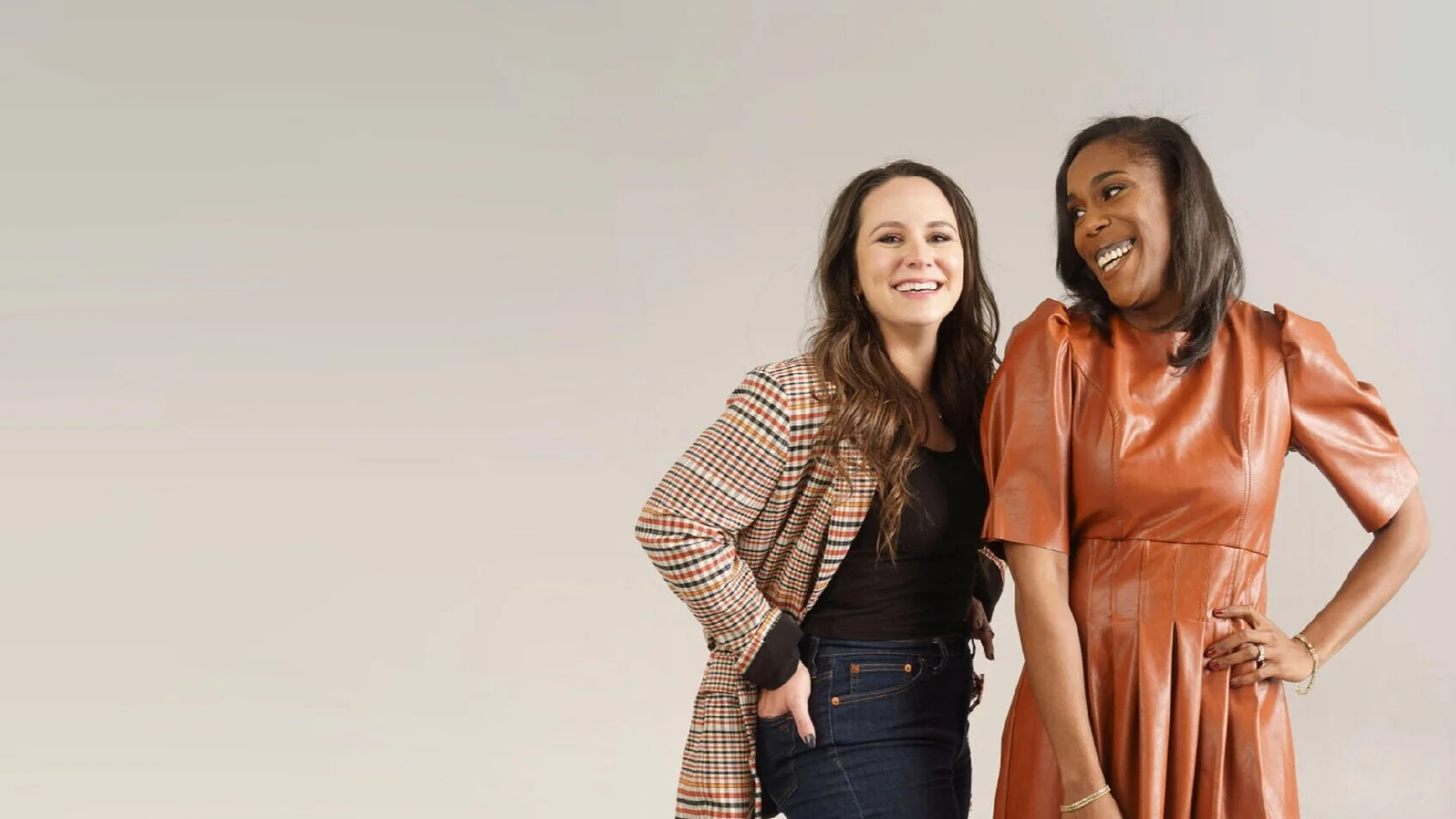
Minisode - Heartspace Meditation - Kenya Raymer
Shift your attention back to the heartspace and reach for unconditional love with Kenya Raymer in this guided mediation.
Shift your attention back to the heartspace and reach for unconditional love with Kenya Raymer in this guided mediation.
Thank you for listening and tune in next week for an interview with Eric the Counselor about mental health in the new year.
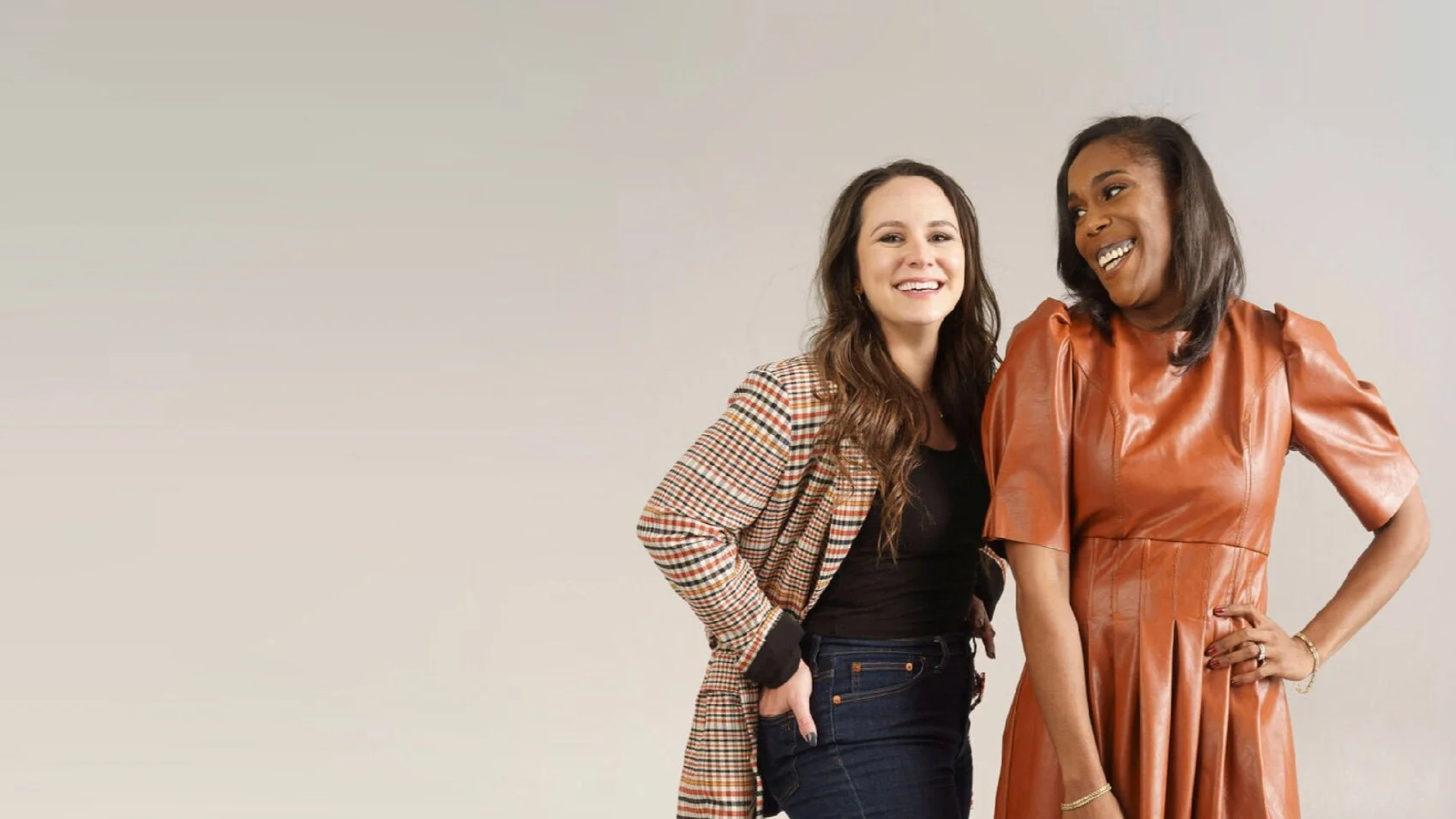
Ep006 - Everyday Magic(k) Part 2 - Kenya Raymer
If you need tarot/oracle deck recommendations, or if you consider yourself a truth-seeker, this episode is for you.
Thanks for listening to Wellness, Community, Magic, a podcast with a pro-donut, anti-racist, Glenda-the-good-witch agenda. In this episode, Ashley Brooke James and Elizabeth Moore step into their personal power with Kenya Raymer, (enneagram 8w7 SP). They talk about tarot, unconditional love, and magick with a "k."
If you need tarot/oracle deck recommendations, or if you consider yourself a truth-seeker, this episode is for you.
Tune in next week for a guided meditation exploring the heartspace with Kenya Raymer.
Decks we referenced:
Sun and Moon Tarot by Vanessa Decort
Resources and Links:
Full Transcript:
[00:00:00] I used to be like, no, this is the way I am and this is my truth. And I'm like, yeah, but I'm not even that person anymore. I'm not the same person that I was three weeks ago. I'm not the same person. I'm not even the same person I was yesterday. I have received a lot of information and I had had a lot of experience that have changed me at a cellular level.
[00:00:21] From the person someone may have experienced yesterday to the person you all are experiencing today.
[00:00:31] That's the voice of Kenya Raymer, spiritual guide and truth speaker. Kenya came into this world to raise vibration and return people back to the heart space. She supports people who are going on a journey of healing. Spiritually expanding and consciously stepping into their personal power.
[00:00:53] Hi everyone. I'm Ashley Brooke James and I'm Elizabeth Moore, co-founders of TRILUNA. And this [00:01:00] is the wellness community magic podcast, a podcast where we settle in, get cozy and talk hard truths about the wellness world. We're here to take on diet culture by making self-care realistic, sustainable, and inclusive.
[00:01:14] We have a pro donut, anti-racist, Glenda-the-good-witch agenda, so join us on our journey to build community and redefine wellness. Let's get started.
[00:01:27] Talk to me about something magical that you've done this week. It's Friday. I don't know when you guys will hear this, but Liz, what have you done? Well, actually I have spent the last week, every single second of the day, working on our new magic box that's coming out with our guest who is here today, Kenya.
[00:01:49] Um, and that has been a magical experience in and of itself to be like in the work of the work of the magic day in and day out has been a really fun experience. And I just have to let [00:02:00] everyone know that she has been excited about these boxes. I mean, this particular box since, I mean, when did we talk about the boxes in August?
[00:02:10] And we literally had to say, we have to take the most popular the 3 first. Jimmy and I, we were like, we just have to do these three right now. I mean, she, every day showed up. No. Guys, look, I put it together. She put the graphics together because she knows that we can't say no to a graphic. And I'm just really, I think I'm more excited about the box because Liz is so excited about every single detail that has went into this box and Kenya Raymer, our guest who I'll introduce in just a second, she was very intentional about what she also wanted included in the box. And I think because we try to pack our experiences into these boxes it just turned out to such a beautiful thing. I can't wait for you guys to see it. I'll stop talking. [00:03:00] I'm going to introduce our guests. Our guest today is Kenya Raymer.
[00:03:04] I have been following her for a very long time. I have been following her since, if some of our listeners are familiar with curls and cocktails, I have been following her since then. It was when natural hair was on the rise and it was just something magical about her and it wasn't just her hair. I mean, she's beautiful.
[00:03:28] Yeah. And our hair is beautiful, but it wasn't just that it was just, I felt like she was really going to a place of intention and really speaking truth, setting boundaries, something that people weren't familiar with at that time. And it made a lot of people uncomfortable, but now you, all you hear is I got boundaries.
[00:03:49] I have this, I have this. So I feel like Kenya was ahead of time before magic became a thing. And when I teamed up with [00:04:00] Liz, it reminded me so much of what I saw of Kenya. I was like, Liz was living that same type of life. She was bringing me into my magic and making me understand that. And so I'm really excited to have Kenya here today.
[00:04:15] We are excited to have Kenya here today. So let's talk about magic. Let's let's get, let's get into it. When Liz and I first reached out to you and we had our first initial conversation, you told us a really interesting story. You said I put the K on magic and I really want you to share that story with our listeners, because I think that even for me and for Liz, because we had a discussion around this, like it put a different perspective on things, right?
[00:04:47] And so I, would you mind sharing that story with our listeners? Yeah. Um, so I spell magic with a K instead of the good old C alone. So magicK. [00:05:00] Um, as I was kind of, I guess, transitioning into my spiritual journey, um, and I was kind of like, who am I what's going on here? You know, he started to come across like a lot of communities and a lot of labels. And I started following, um, a lot. I was really like identifying with at the time, the witch community. And, um, a lot of witches do spell magic with the K a lot of witches don't. And when I saw it, it just resonated with me. Like I talk about, everybody has a tell. It's a physical reaction to the truth.
[00:05:38] Okay. When you see something, you hear something, you experienced something. Everyone has a tell. Uh, you're born with it. Your body reacts in a certain way. Some people it's a it's chills. Other people, it's a Twitch. Some people may feel like a tapping on their shoulder or their leg. And you know, if you're not tuned into it, you might think, Oh, I've got the chills.
[00:05:57] I might've been cold or, Oh, like, what's that [00:06:00] like little tug in my, I maybe pulling my hamstring or something. We rationalize it with physical kind of things, right? But if you tune into it, you can start to see the pattern and it's your tell. So when I saw the word magic, my body resignated. I had my tell and I was like, there's something to the vibration of the word magic being spelled with a K that speaks to me.
[00:06:23] And so I started seeing it a lot more. Um, again, in the witch, in the spiritual and in the magic community. And so I started, I looked it up and I was like, what is this really about? And so it's brought forth by Alistair Crawley who can kind of be a controversial person in his own,right? So I want to like highlight that.
[00:06:42] But I'm not unaware to his controversial nature. And also it's important that we always talk about where we saw things, where things come from, where they originate from so we're not appropriating anyone's culture. Yes ma'am. So Alistair Crawley, he forms this religion. I think it's the lemme or the [00:07:00] Lima.
[00:07:00] I'm not really sure how it's pronounced, but it eventually becomes wicked and they spell, he sells magic with a K to differentiate the difference between show magic, illusion and a practice that is guided and aligned with your true will. Who you are at your most authentic version, your authentic nature, and who you are here to be, divinely. That just resonated so strongly with me.
[00:07:30] There's a difference between a flick of the wrist and pulling a rabbit out of a hat. And me consciously and intentionally tuning into my divine purpose day in and day out. That is magic. There's a lot of magic that comes from staying in that vibration. So that's why I spell magic with a K. Um, are you sure it's not for Kenya?
[00:07:58] I'm sure, I'm [00:08:00] sure. When you said it though, at first it was like magic with the K. I was like, let me, I really, I really do need to be explain that so people don't think it's some vanity thing. When we were doing the workbook and Jimmy was, Jimmy is like natural born proofreader, right? Like he was like, is this...
[00:08:17] I mean, he will pick, pick apart. So he was like is this supposed to be a K on here? And I was like, yes, this is supposed to be a K on here. And at that moment, I was like, I'm going to ask her she sure it's not for Kenya? I am positive it is not for Kenya although it's a synchronicity that cannot be ignored. Yes.
[00:08:42] Let's talk about Tarot a little bit because we have a community where we have half, they understand that this is a tool and then we have the other half that is frightened by what history, the media, has placed on tarot. We sent out a [00:09:00] pre podcast survey and one of the things we really wanted to have in there, it was like, well, what is one thing that you wish people knew about you or your industry?
[00:09:07] And your answer was literally this. So I wonder if you would speak to that. I don't remember it word for word, but it's basically that I wish everyone would understand that energy is a part of every experience. And so there is no need to feel fear around wanting to know more, wanting to explore more, wanting to experience more. You can't get away from energy. You can call it other words if you want, if it makes you feel more comfortable, but it's literally a part of every interaction; when you're alone, when you're sleeping, when you're with a group of people, when you're at work, energy is present. I mean, even thoughts have vibrations.
[00:09:57] There should be nothing taboo about [00:10:00] something that is so pervasive. In every day life that we all experience, every single person, creature, experiences energy. And so it feels so natural to want to know more. I don't know if that's exactly what I said, but. No, that's it and that's, when we talk about tarot too, it's like the art of using tarot is energy, is movement of energy.
[00:10:27] And we always say like, when we're dealing with Tarot, like it can't tell you things that you don't already know. It can tell you things that you're not aware of. It can highlight things that you didn't know were there, but it's all coming from your intuitive bank. Yeah, for sure. That's why AB that's why you love your cards so much.
[00:10:44] That's why you love your deck so much. They're a reflection of your purest energy. Yep. And they call you in. And if anybody was wondering what that, that is, that's the fountain deck. Just something to drop that out there. I love the fountain deck. Yeah, that [00:11:00] was my very first deck that Liz got me. Kenya, what was your first deck?
[00:11:03] Yeah. My first deck was sun and moon by Vanessa Decort. I bought it myself because I don't believe in rules. Same, same, same,I got my first one too. Just for anyone listening. There's a taboo out there taboos within the taboo that you should be gifted your first deck. That is absurd. Decks are personal. If you feel a calling to a deck, get the deck, get your own deck, buy a deck, research, a deck, look around for a deck.
[00:11:34] Go for it, do it yourself. Step into the power of this journey. Um, so my first deck was sun and moon tarot by Vanessa Decort and I loved it because the images had Brown people and they are heavily steeped in elemental symbols. So like all of the, um, the cups are around water. All of the wands, all [00:12:00] of the images are fire.
[00:12:02] The imagery just really spoke to me and there's a simplicity in this deck and almost like it's a very maiden deck. If we're breaking down the divine feminine into a maiden mother and crone kind of stage. It's a very youthful deck. It's a great beginner deck. It has a young, new, inviting, try me, experience this type of energy. It's not intimidating or overwhelming. And so that was my first deck and I love it. And I put her in a special case. Yeah. I was listening to you and I feel like, well, the first deck that I ever knew of was the wild unknown and I feel like Liz gifted me with the fountain tarot deck because she knew it was me.
[00:12:49] She knew that I needed a little bit more softness to it all. And so when you were saying that about like having that relationship with the deck, and as you spoke through what you were [00:13:00] saying about your first deck, I was like, Liz knew what to get me because I wasn't sure of what to get myself.
[00:13:06] Is that your favorite deck? So right now I would say my favorite, the deck is an Oracle deck and not a tarot deck. I don't know if you want to get into it. My favorite tarot deck is a deck that I don't have, and I just know it's going to be my favorite when I one day, get it. It's the Manzell Bowman deck.
[00:13:24] It's sold out. It's the second edition. It's beautiful. It's Afro futuristic and I'm obsessed with it. And if anyone has that deck and they don't want to use it anymore, call me and I will buy it from you. You can call my direct line,sis, have my number. But, uh, I use the wild unknown archetypes Oracle deck. I love that one.
[00:13:51] It, I listen, I manifested that deck. I don't know if Kim Carnes and I got some type of like telepathic link, but listen, [00:14:00] I was like, I need a round deck. I'm a, everything is round for me. The, the board, I read my cards on is round. Just I'm obsessed with circles. It's the infinity energy. The energy never stops.
[00:14:11] Like I'm obsessed with circles. I was like, I need a round deck, a round Oracle deck because I do like tarot, but to me, Tarot has somewhat of a, like a nuanced energy. It's very detailed, right? Very specific, and with oracle cards there's a little more to me, freedom in like interpretation. I was like, I want a big, bold, in your face energy Oracle deck, round.
[00:14:40] And then it was like a couple of weeks later, she announced that she was releasing this tech. And I was like, Oh my God, pre order, sign me up. I bought them for friends. I sent them out. I was an, I am still obsessed with this deck today. It's a very direct deck. I know people say Oracle is softer [00:15:00] energy, but this, this deck is very bold to me.
[00:15:02] It's very loud. And, um, it is my favorite deck. It's the deck that I use for meetings. I love that one too. And I, you gave me that one, didn't you? Yeah. I love that deck. I'm very careful about when I use it. I use it for big thematic questions in my life. So like I've used it. I've had it for a year. You got it for me last Christmas. I've used it twice and both times it has been like big, big, big energy and big results. Vague and direct energy for sure. I love it though. It is like, I, you know, and I pulled at the beginning of this year, I pulled one. I was like, just give me, like, won't like, give me like one for like, let's just see what's happening and I got judgment.
[00:15:46] When I first pulled it it was like January, you know, I was like, I don't get it. Like, what does this mean? And then with the virus started coming in February and then by March judgment was everywhere. It was like the discernment of like, [00:16:00] what is safe, what is not safe? How are people using their judgment and their preconceived notions to judge others?
[00:16:05] Like, and then it kept coming up and it kept coming up, kept coming up. And so I literally kept it out of the deck and on my bedside table for like six months, I literally just put it away when I moved, because it was like, it spoke to me on a daily basis. That card is also so much about balance. And, um, having an understanding that, doing the right thing, doing the moral thing, doing the thing we're called to do, but we're afraid to do is often the only thing that will keep balance or stability in our lives.
[00:16:37] And so, like you said, it goes a lot with discernment. Um, but yeah, every time that card comes up, I'm like, "What you afraid to do girl?" Yeah. This year, this year forced us to face a lot of our fears and that deck, like we did a poll, like when I first, first got it. And I was asking about 2020 and it, it was like one of the ones where you move through a journey or like it takes you through four different [00:17:00] categories in this journey.
[00:17:02] Yes, I use it for my readings. It's so good. I want to talk about archetypes for just a second, because I have a weird synchronicity thing there too. But what I pulled for this year, it was like what the space will look like. And so it was like one that was like, you pull from a certain category and that category is location ish.
[00:17:20] And so I pulled a card, but then I had a jumping card. And so it was the desert was the jumping card and so the, what the reading I got from, it was like in 2020 you'll have to move through the desert to get to the core of the mountain. So it was like before we could even begin the journey of ascending the mountain, we were going to have to get through this period of like famine.
[00:17:39] And if that hasn't felt like 2020, I don't know what does. Yeah. 2020 has very much been the desert in which you have to realize that you're your own God. While we're on the topic of resources, you have been magical before magic has been cool. [00:18:00] Yes. Magical. And I remember I really got into crystals before I found tarot and things like that.
[00:18:08] And I remember you posted about crystals and I was like, Oh my gosh, like, we're on the same thing here. Like nobody was talking about crystals. Really quick, everybody wants to know your favorite crystal and why. I think I already know, but can you tell the listeners? My favorite crystal is Rose quartz.
[00:18:29] I love all crystals and I am a collector. And so I have a ton of them and I respect that they all carry their own vibration and healing properties. However, I feel like you really only need Rose quartz in life. Like I sleep with the Rose quartz in my hand. Rose quartz is the one that I have, like glass jars of.
[00:18:50] I put them in my daughter's room. If I'm wearing jewelry, it's most likely going to be Rose quartz. Rose quartz carries the vibration of unconditional love. And if we [00:19:00] all aspired to that vibration, it would literally bring about heaven on earth. And so I feel like unconditional love or Rose quartz is the answer to everything.
[00:19:12] It's like, you need protection. Yeah, like tourmaline is cool. Obsidian is cool. They are grounding. They are protective stones. But you know what is really productive? Unconditional love. Um, moving in and staying in the vibration of unconditional love, you want to, you know, have peace and harmony in your home or your relationships. Amethyst would be a great one to have for some healing in your family.
[00:19:40] You know, what else would be great? Unconditional love. I can bring everything back to unconditional love and the vibration of unconditional love which is harnessed by Rose quartz. And so to me, it is my favorite, obviously, and I think it's the only one that you really [00:20:00] need, or, you know, if you're going to pick one, if you're going to start with one, start with Rose quartz. Also, its energy is very gentle.
[00:20:09] It's power is, you know, very Magnus. Is that even a word? Is magnus a word? I don't know if that's a word. Yeah. Rose quartz is very powerful. But it's energy as you receive it or experience it is subtle. It's like, Liz is like, what if we do an amethyst? I'm like, but what if we do a rose quartz?
[00:20:36] Yead. We have, we have both. I love them both. I love them both. And just, if you were wondering what they're talking about, they're talking about the box again. And last question. What does it mean to be a truth seeker, truth speaker? Um, so I'm always looking for information that [00:21:00] resonates with me; that expands who I am; that explains what's going on here.
[00:21:09] I think I searched that in like every avenue of my life, like in spirituality and relationships, I'm like, what's going on here? I want the truest version, most authentic version of every experience. And I will go to great lengths to find that. I think being a truth speaker, speaking those truths, I hope inspires other people and challenges other people like in the same breath to find their own truth and get comfortable in it because my truth is not, your truth is not your truth.
[00:21:53] We're all having the same experience at different frequencies. And so what resonates for me, isn't going to [00:22:00] resonate for you and that's okay. And so like get to a place where that shit is okay with you. And to understand that the more truth you seek, the more your truths will change. I think I'm just coming into this.
[00:22:16] Like I used to be like, no, this is the way I am, and this is my truth. And I'm like, yeah, I'm not even that person anymore. I'm not the same person that I was three weeks ago. I'm not the same person. I'm not even the same person I was yesterday. I have received a lot of information and I had had a lot of experience that have changed me at a cellular level from the person someone may have experienced yesterday to the person you all are experiencing today.
[00:22:44] My truths could have changed overnight because I am changing and evolving, always. And that's my goal. And so my goal is to always be sharing those truths as I always change so that people know that [00:23:00] it's okay to change. It's okay to seek your truth, say something, and that may have been your truth at that time.
[00:23:08] And it doesn't have to be your truth now. Like I'm thinking of that meme and it's like, it's like the two people and someone's like you've changed and the other person's like, isn't that the point? I hope so. Yeah. And so I think that there's beauty in things like the classic, OG Krispy Kreme donut. There's beauty in that some things remain the same and there's beauty in that there's freedom for us to constantly evolve.
[00:23:36] And the things that stay the same are kind of markers. They're opportunities for us to look back and say, Oh look how far I've grown or look how far I've come to. It's like I'm from a small town. Uh, this resonates with the village card in the archetypes deck. The village is a place that's comfortable and it's safe so you feel like when you grow up there, you're comfortable and you're safe, [00:24:00] but there's often not a lot of space to grow in the village.
[00:24:04] You have to seek the big city, right? If you want to grow and you want to have new experiences. But you can always go back to the village. I can always go back to my hometown, um, and notice that not a lot has changed and it can be a, a marker or an opportunity for reflection. So I think that being a truth seeker means that I am always searching for the truth, the most authentic version of everything; me, you, the experience we're having. And since I'm constantly doing it, I'm constantly evolving. I mean sharing that is hopefully inspiring others, challenging others, pushing others to do the same, to find their own truths, to evolve.
[00:24:47] To change their truths, to share their truths and to just do that shit day in and day out. So well said and you brought it back to the donut. I mean, Kenya, I mean [00:25:00] you're coming back, okay? Because we had a, we had a whole, like, we have more or questions. I think it would be a great idea to have you back after the box launch to talk more, that way we can talk through the box and how we were intentional about putting the box together and how some of our personal experiences are a reflection of what's in this box and then the content.
[00:25:24] But like y'all. Ooh. Yeah, I'm excited. And the workbook really is like this conversation turned into a workshop and put into a workbook. So I'm, literally when Kenya sent the copy the first time, I cried. And I'm like not a crier. I'm like a mom. I'm like, I was like that of hard shell, unless it's like a hallmark commercial I'm crying every time.
[00:25:46] But normally I don't cry. It's something with kids, really cute kids, puppies. Like, yeah. Okay. But I, it, it was straight to the heart. But yeah, it was so beautifully and intentionally constructed and it fit so perfectly. Like [00:26:00] our two, let's call them brands, are so in alignment with each other. And that is like, it's rare.
[00:26:06] Honestly, we're, we're kind of operating on the outskirts of wellness, on the outside of what is normative and to find someone so perfectly aligned in that kind of outside space is magical. Literally that's like part of our definition of magic is finding things that are, are that synchronized and that are that in step.
[00:26:27] So we're thrilled about this box. It smells so good. I can't wait for you to smell it. I can't wait to see, touch, feel it all. I'm so excited. We have one right here. Do you want a peek at it?
[00:26:41] Well we appreciate you. We're going to have you back. Everyone that's listening, because Grace has given me the eyes, the box is going to drop on January the 1st. January, the 1st, you'll be able to go to trilunawellness.com and go under box [00:27:00] collection. And Liz is getting really nervous right now because she knows that, um, it's going to be amazing and Kenya any way that we can support you, you know, you let us know.
[00:27:12] Again, we appreciate you so very much. And we'll link to everything in the show notes as we do. Everything, the decks we've talked about. Alright, Liz, I think that's it. That's all. Alright, we'll talk to you guys later. Thank you for listening to the wellness community magic podcast.
[00:27:29] We're excited to share our thoughts with you and bring compassion to the wellness space. Take what you've learned today to a friend or colleague and tune in next time for more tough but necessary conversations about the future of self care. If you are interested in learning more about TRILUNA or are pre-ordering one of our wellness gift boxes for a loved one, check out our website at trilunawellness.com. [00:28:00]