
Your Custom Text Here
How to Create an Unforgettable Corporate Event on a Budget

Corporate events provide a valuable opportunity for networking, learning, and building relationships. However, organizing a successful event while keeping costs in check can be challenging. In this blog post, we will explore four key strategies to enhance your corporate event experience without breaking the bank. We'll discuss how to space out sessions effectively, provide refreshments, and incorporate creative or wellness-based activities to break up the information overload.
Space Out Sessions Appropriately:
One of the most common mistakes in corporate events is cramming too many sessions into a short period. To optimize attendee engagement and prevent information overload, it's essential to space out sessions appropriately.
Break sessions into smaller segments so attendees can spend time discussing and absorbing each topic. This also helps maintain energy levels and prevents fatigue.
Consider incorporating interactive elements, such as Q&A sessions, panel discussions, or group activities that get attendees engaged.
Plan regular breaks between sessions to give attendees a chance to refresh, reflect, and take bio-breaks as they need them. Nothing is more distracting then needing to use the restroom or being hungry while you’re trying to pay attention.
Create intentional networking:
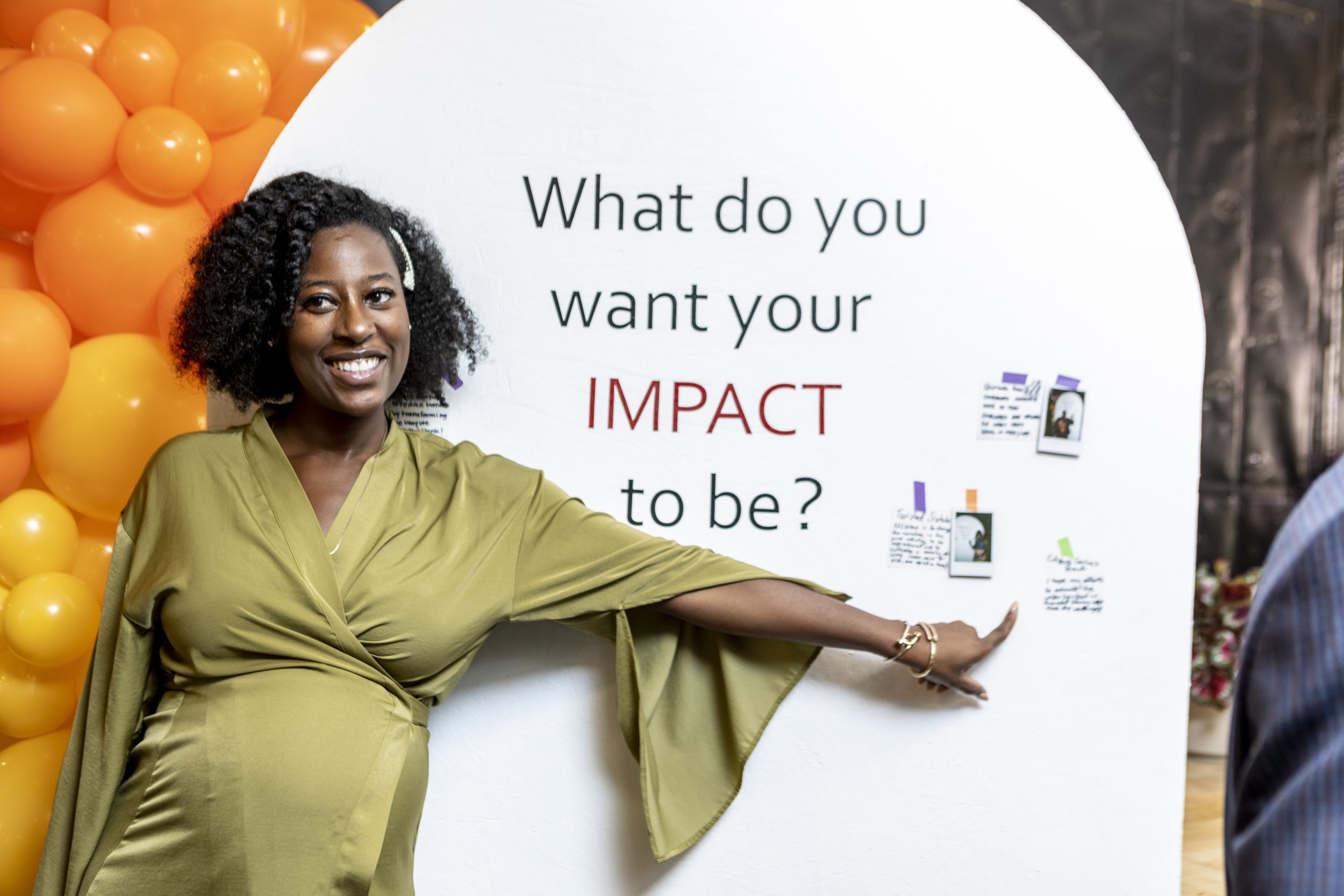
Networking is....awkward. By creating an intentional space for even the shyest of attendees to engage in intentional networking you not only increase the enjoyment you also increase the efficacy. Our favorite time to do this is to utilize the beginning of your event. We created an “intention board” for an entrepreneur’s summit that allows guests to snap their picture with a Polaroid camera and add it to the wall next to a note that describes the impact they wanted their business to have on the city. This allowed other guests to quickly learn more about each other and engage on a deeper level with a subject matter that was important to them.
Other things we’ve done have included a communal (small) shot + intention setting for a whiskey tasting, opening meditation and vision boarding, and a handwritten letterboard for a small corporate retreat group.
Keep Snacks and Beverages Available:
Keeping attendees well-nourished and hydrated throughout the event is crucial for maintaining their focus and energy levels. Here are some of our favorite cost-effective ways to provide snacks and beverages:

a. Set up a self-serve station: Create a designated area where attendees can find water, coffee, tea, and snacks throughout the day. This eliminates the need for expensive catering services and allows participants to help themselves whenever they need a pick-me-up.
b. Collaborate with local vendors: Partner with local businesses, such as bakeries or coffee shops, to provide discounted or sponsored refreshments. This not only supports the local community but also adds a unique touch to the event.
c. Consider offering a wide range of options like fresh fruits and granola bars to chips and treats. You never know what someone’s needs are (for example, we had a pregnant guest that was unable to tolerate anything but bread early in the morning, so having bagels and donuts available was critical for her enjoyment of the event) so a wide range will help sustain attendees' energy levels and prevent pre-lunch hunger and post-lunch sluggishness.
Incorporate Creative team building and/or Wellness-Based Activities:
Breaks from information-heavy sessions are essential to maintain engagement and prevent attendees from feeling overwhelmed. Here's how to infuse creativity and wellness into your event without breaking the budget:

a. Mindfulness and relaxation activities: Organize short sessions of mindfulness exercises, guided meditation, or stretching to help attendees recharge and refocus. The caveat is to make sure you have qualified instructors that know how to teach to multiple levels of experience to avoid injury and leaving out those that may be less familiar with wellness. [To learn more about how we do that check out our services page here!] Our most popular options are massage, yoga/pilates, and boot camps.
b. Interactive workshops or team-building activities: Engage attendees by providing interactive workshops or team-building activities that encourage collaboration and creativity. Consider activities like DIY bath salt bars, floral bouquet making, or even art and craft sessions.
c. Guest speakers or motivational talks: Invite speakers who can share their expertise, inspiring stories, or motivational messages that resonate with your audience. They can offer a fresh perspective, energize attendees, and provide valuable insights.
Creating a remarkable corporate event on a budget is entirely possible with proper planning and thoughtful execution. By spacing out sessions effectively, providing snacks and beverages throughout the day, and incorporating creative team-building and/or wellness-based activities, you can enhance the event experience for attendees without incurring excessive costs. Remember, a well-organized and engaging event leaves a lasting impression on participants and can contribute to long-term professional relationships and business growth.
To learn more about our services check out our full deck of services or email us at Hello@TRILUNAwellness.com.
5 Ways to Add Wellness To Your Event (That People Will Actually Enjoy)
As the importance of wellness continues to rise, an increasing number of event planners are incorporating wellness elements into their events.

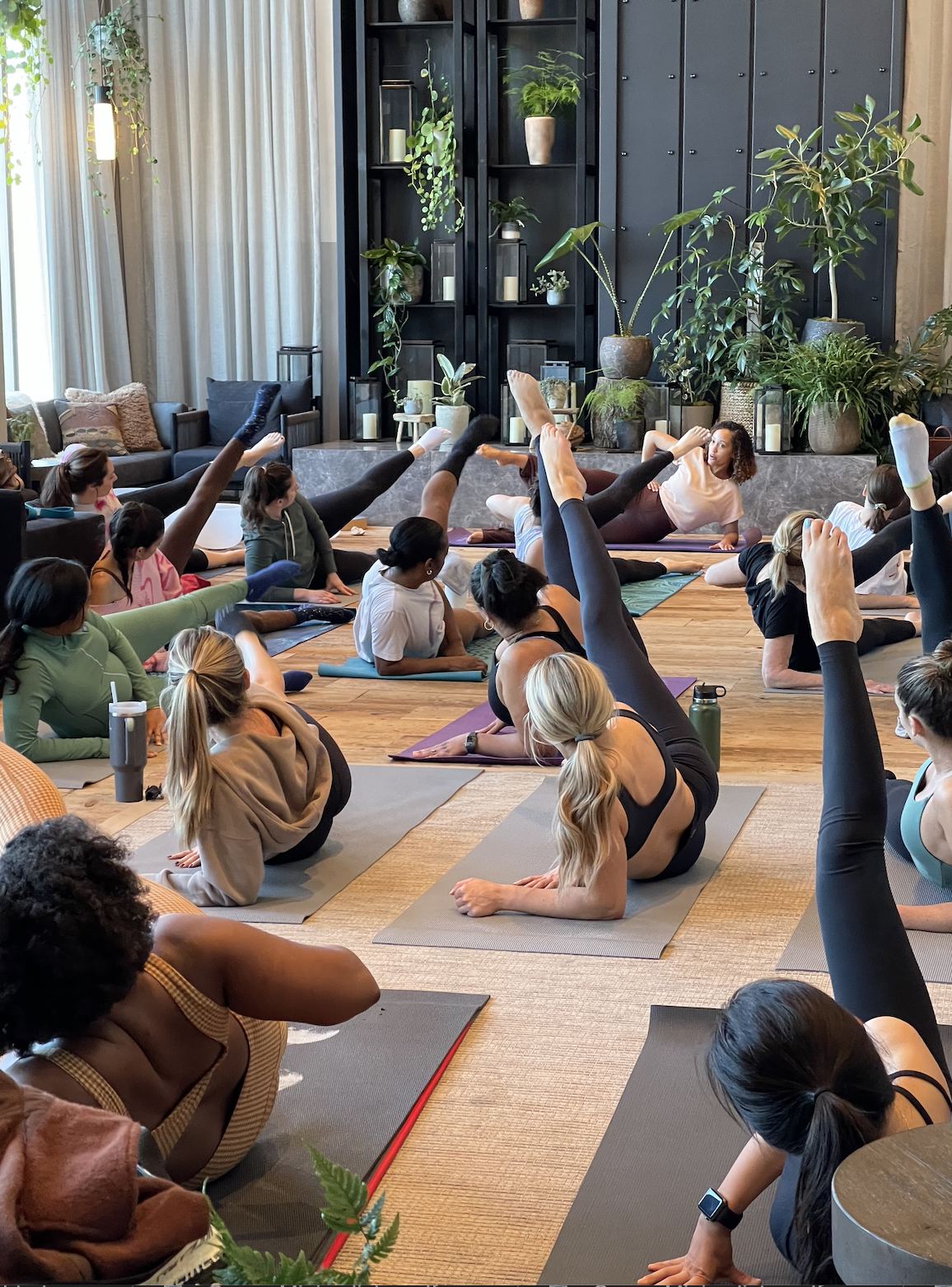
A pilates activation for 1Hotel Nashville followed by a sound bath expereince .
From fitness and mindfulness breaks to healthy food options, there are many ways to promote wellness at an event, but not all wellness is the same–attendees must be able to participate in a realistic way for it to be effective. In this blog, we'll explore five ways to add wellness to your event that people will actually enjoy. These suggestions range from physical activities to calming environments and resources, and they all aim to make wellness a fun and engaging part of your event.
Our top advice for adding wellness is this: Offer a range of wellness activities such as massage, acupuncture, mindfulness meditation, or aromatherapy. This will allow attendees to explore different types of wellness and find what works best for them. Plus, it adds a fun and interesting element to the event. By implementing this strategy your event will not only be a success, but attendees will leave feeling happier, healthier, and more connected.
Here are five ways we love to add wellness for deeper connection, well-being, and retention of information:
An attendee shows off her Polaroid and impact mission at an entrepreneurial event.
Start Strong, Build Community: The relationships attendees build at an event are often the most memorable takeaway. By creating space for attendees to build connections you create shared experiences that paint your event and/or brand in a positive light. By creating opportunities for intentional engagement right from the beginning you set the tone for your event. One of our favorite ways to do is with an interactive intention board where you can tie the purpose of the event to your audience. This activity allows guests to learn more about each other and find potential connections.
Add Opportunities for Movement: Encourage attendees to get up and move by offering fitness breaks or hosting classes such as yoga, Pilates, or even a dance party. This will not only break up the day but give them an opportunity to digest all the information they are taking in. If you don’t want attendees to have to change clothes you can do a short walk around the block (or hotel or conference center). Aside from physical benefits movement like this can benefit mental well-being by reducing stress and increasing endorphins.
Offer Healthy Food Options: One of the most important things you can do for an event is to have a variety of food options for people. The more fun you can make these foods the better! Consider offering juice cocktails or mocktails. Herbal tea blending table, a fresh coffee pop-up, or even a smoothie bar where attendees can build their own smoothie, sundae style, by choosing their own toppings. If your guests are hungry you risk them not retaining anything and feeling negatively about the event. Having nutrient-dense food options easily accessible will not only make attendees feel better physically but also increase their energy and mental focus.
Create a Calming Environment For Brain Breaks: Consider a break-out room with soft lighting, calming music, and greenery to create a peaceful and soothing atmosphere. We often add massage, snacks, and even soothing activities like floral bouquet-making or DIY bath salt bars to these rooms. Rooms like this allow your attendees to recharge and reset, prepping them to engage more deeply afterward. This is also where we mention having prayer rooms to accommodate religious participants and nursing rooms for mothers that have taken time from their children and may need to pump.
Provide Wellness Resources: Offer attendees resources such as self-care tips, meditation guides, or information on local wellness providers. This will empower them to continue their wellness journey even after the event has ended or at their own pace during the event. To learn more about TRILUNA conference series and how it can be added to guest hotel rooms email us at Hello@TRILUNAwellness.com.

Behind the scenes of a virtual cooking class added to a fully virtual conference for GoTo Meeting.
The way we gather matters and the old way of gathering is no longer adequate. Attention spans are down, overwhelm is up, and small talk needs to be more intentional. Incorporating a variety of wellness activations is an excellent way to enhance your event's overall wellness focus. By offering a range of activities and resources, attendees will have the opportunity to try new things and find what works best for them, ultimately leaving them feeling happier, healthier, and more aligned with your brand or mission.
5 Reasons Why You Should Add Wellness To Your Next Event

As we increasingly work in remote or hybrid environments, events have become an even more integral part of our social and professional lives. From conferences to summits, these events bring people together to connect, learn, and grow. But not all events are the same. Without careful consideration and planning these events can be physically and mentally taxing leading to lower engagement and retention. That's where wellness and mindfulness come in. By incorporating wellness activities into events, organizers can provide attendees with an opportunity to unwind, recharge, and take care of themselves. From yoga classes to meditation sessions, wellness activities can have a profound impact on attendees' mental and physical health, ultimately enhancing their experience at the event. In this article, we'll explore our top five reasons to add wellness to your next event and why it's becoming increasingly important:
Boost attendee engagement and retention: Integrating wellness activities into your event can help attendees feel more engaged and even help with the retention of the content. The increase in digital communication and screen time during the pandemic left many of us with increased mental fatigue and decreased attention spans. By providing opportunities for relaxation and mindfulness, attendees will be more likely to remember key information from your event and have more mental capacity for socializing and building community.
Promote mental and physical health: Wellness activities can help attendees reduce stress, improve their mental and physical health, and boost their energy levels. This can lead to improved productivity, creativity, mood, and overall well-being.
Foster community and networking: Whether it’s an all-level yoga class or a floral bouquet-making class these experiences can foster a sense of community among attendees and provide opportunities for networking and relationship-building in a relaxed setting. We often find that the connections formed between coworkers or attendees in the intimate environment of an event are deeper and more meaningful than the hosts expect.
Get the most for your money: Events are by no means cheap to pull off. They require effort and money to do well. By incorporating wellness you can ensure that your attendees are taking home more of the experience and information you’re sharing. If it’s a corporate retreat attendees have more opportunities to build relationships. If it’s a leadership conference they will be able to retain more and have more energy for learning and collaboration. Wellness activities like meditation have even been shown to increase creativity and output so if results are what you’re after, wellness will help you get the most out of every dollar.
Stand out from the competition: Wellness is on the rise and including it in your event means you have your finger on the pulse of what attendees are looking for. Activities like boot camp, community impact boards, and even sound baths will set you apart from other events in your industry. Attendees are becoming increasingly interested in wellness, and by catering to this trend, you can attract a wider audience and prove your willingness to invest in innovative trends for the health and happiness of your audience.
In today's fast-paced and ever-changing world, wellness and mindfulness have become increasingly important while events have become an even more integral part of our social and professional lives. Incorporating these two things–wellness and events–can have a profound impact on the attendees’ experience long after the event has ended. By incorporating wellness into your events, you not only show your willingness to invest in innovation but also help attendees take care of themselves and create a memorable experience.
To learn more about how we add wellness to events at TRILUNA shoot us an email at Hello@TRILUNAwellness.com or check out our work page. We’re dedicated to making wellness more accessible and enjoyable for all your attendees while making your job as an event coordinator or planner easier.


The Best Group Yoga Poses For All Levels!
Work looks a lot different than it did two years ago, and we are all just trying to manage it the best we can. At TRILUNA, we always want to ensure we provide you with the resources to make your work life less stressful.
Here are a couple chair yoga poses that can be done in the office or the comfort of your home office if you’re looking for some mid-day movement and mindfulness. Each pose is designed to be beginner friendly but also great for those who have been practicing for a long time. We recommend doing a few rounds of each of these either at the start of the day or after sitting for a while.
Side Body Stretches and Twist: great for stretching the ribs, shoulders, and arms. Engage your core to keep from putting too much emphasis on your low back and lean to one side, stretching your arm as far to the opposite side as you can (without pain, discomfort is likely but if it feels sharp or painful back off).
Forward Fold (with an added twist in the lower back and wrist rolls): a simple forward fold is one of our favorite ways to get inverted. Taking a few deep breaths here can help decrease blood pressure and promote relaxation.
Bonus move - Child’s Pose. Great for opening the hips and relaxing the body. If this feels too intense you can sit on top of a pile of pillows. Work your way back slowly, ALWAYS avoiding pain but embracing discomfort.

Why Should There Be Employer Wellness?
Whether it’s to make a case for the boss or trying to justify it against the bottom line we are often asked “why should there be employer wellness?”
Why should it be the responsibility of the employer to establish wellness in their workplace? The answer is of course way more simple than it seems and far more complex to pull off than it may appear on the surface.
1. Stress is a productivity killer. Wellness programs focused on stress management and mindfulness increase engagement and reduce burnout.
2. An emphasis on mental health is a game changer. An organization invested in the mental wellbeing of its people builds loyalty, reduces attrition, and decreases healthcare costs. In short: it’s good for employees and good for business.
3. A sense of community is critical to successful teams. Wellness that is rooted in inclusivity is a great team builder.
To dive deeper check out the full article and let us know what you think!
Why Should There Be Employer Wellness?
Whether it’s to make a case for the boss or trying to justify it against the bottomline we are often asked “why should there be employer wellness?” Why should it be the responsibility of the employer to establish wellness in their workplace? The answer is of course way more simple than it seems and far more complex to pull off than it may appear on the surface. What we know for sure is that things are different in a post-quarantine world. According to the American Psychological Association’s 2022 stress survey 56% of Americans stated “that since the pandemic started, they could have used more emotional support than they received, and 21% could have used a lot more emotional support.” Additionally, 71% of people polled say they have gotten better at prioritizing what is important to them because of covid-19.
That means 71% of employees are more aware of burnout, more aware of how much time they spend at work vs with friends and family, and more aware of how their workplace culture affects their wellbeing.
The health and happiness of employees dramatically affects the health and happiness of business. Over the least four years and over many, many changes in the world we’ve defined three primary reasons employers should consider workplace wellness programs (the right programs, at least):
Stress is a productivity killer. Wellness programs focused on stress management and mindfulness increase engagement and reduce burnout.
An emphasis on mental health is a game changer. An organization invested in the mental wellbeing of its people builds loyalty, reduces attrition, and decreases healthcare costs. In short: it’s good for employees and good for business.
A sense of community is critical to successful teams. Wellness that is rooted in inclusivity is a great team builder.
Stress is a productivity killer:
In a 2018 Forbes article (yes, 2018—burnout is not a new phenomenon, it’s just now caught the media’s attention) titled, "How Stress is the Business World's Silent Killer," Stephanie Denning writes that, "chronic stress [in the workplace], as much as we don't want it, is our modern day birthright." Denning posits that much of this stress is a direct result of long hours, low autonomy at work, conflict both at home and in the office, and workplace pressure (most often around working quickly to meet deadlines). "Working long hours has become synonymous with a successful career," she posits." The two are rarely stripped apart." (Source)
When the body is under stress the sympathetic nervous system responds to the threat by signaling a release of “adrenalin (epinephrine) and cortisol. These hormones, together with direct actions of autonomic nerves, cause the heart to beat faster, respiration rate to increase, blood vessels in the arms and legs to dilate, digestive process to change and glucose levels (sugar energy) in the bloodstream to increase to deal with the emergency.” (Source) This part of our nervous system protects us from danger. It responds to stressors by prepping our body to either fight or flee.
Despite modern and technological advances––our bodies still respond to stress fairly primitively...it sees stress as stress, hard stop. Our bodies don’t significantly recognize the difference between the stress of an impending deadline and the stress of an attack. Fear or anxiety that we feel from watching the news is processed in the body with the same response that’s triggered when we are under threat. And we are inundated with this stress all day, every day. We experience stress from watching our favorite TV character die, we have conflict at work, stress from home life, anxiety around financial stress and so much more, which means we stay stuck in our sympathetic nervous system way more often than is healthy.
When left unmanaged, stress creates its own vicious cycle. It leads to less effective time management and decreased work quality, leading workers to require more time to get their work done, which puts more pressure and stress on them. And the loop continues, reaching critical mass until employees either burn out, fall into ill health, move on, or all of the above.
On all fronts—unmanaged workplace stress costs you not only employee happiness but also time and money.
An emphasis on mental health is a game changer:
When we say wellness is important we don't mean bubble baths and exercise––though we do love both of those things. When we say self-care we mean real, deep, intensive self-care. The kind of self-care that includes taking care of mental health in a meaningful way. The American Psychological Association’s 2020 survey read, "A National Mental Health Crisis" and cited that "Americans have been profoundly affected by the pandemic, and that the external factors Americans have listed in previous years as significant sources of stress remain present and problematic. These compounding stressors are having real consequences on our minds and bodies. It is the unusual combination of these factors and the persistent drumbeat of a crisis that shows no sign of abating that is leading APA to sound the alarm: We are facing a national mental health crisis that could yield serious health and social consequences for years to come." (Source) In every way that has been born out (remember the stats from earlier? 56% could have used more emotional support and 71% of people polled say they have gotten better at prioritizing what is important).
This matters for employers because stress not only affects a workforce's ability to produce high-quality work but it also has direct financial consequences by way of increased healthcare costs. According to Health Advocate, “stressed workers tend to be fatigued, prone to mistakes and injuries, and are more likely to be absent. Most significantly, they incur healthcare costs twice as high as other employees. All told the consequences of stress-related illnesses, from depression to heart disease, costs businesses an estimated $200 to $300 billion a year." In a pre-pandemic world wellness program were largely focused on fitness and physical health. And while that’s important it’s no longer enough (and can even be stigmatizing if not apprah from an inclusive lense). Teams need mental health support and more realistic work/life boundaries.
How employers do this has much to do with their unique company culture. For some larger organizations like LinkedIn and Hearst Communications that might look like allowing all employees a paid week off during a slow season. For smaller companies it might mean bringing in yoga and meditation for exhausted employees or adding a more robust therapy option to their health care plans. In all situations it requires empathy and compassion.
A sense of community is critical to successful teams:
Community matters to your organization. As does leveraging your community to achieve a deeper level of wellbeing. But how is community related to wellness? According to an article by Business Insider based on a Cigna study of workplace loneliness, "Americans are lonely at work...and the phenomenon has had devastating effects on company productivity and turnover. Lonely workers are twice as likely to miss a day of work due to illness, five times as likely to miss a day of work due to stress, and twice as likely to leave their jobs.” (Source) As humans we crave and require a sense of connection. Brian Wahl, PhD, of Johns Hopkins Bloomsburg School of Public Health is a strong advocate for what we call, community care, saying, "minimizing social isolation and turning to a community for support is a critical ingredient in mental health." (Source) Wellness talks a lot about self-care but community care is equally critical. The most successful teams are the ones that care for each other as well as the individual.
To build community there must be communication, transparency, and vulnerability. In building connection we often find that, not only are we not alone, but that so many of those around us have experiences similar to our own. For community to have a real impact it must be inclusive. There must be real understanding around the lived experiences of coworkers, employees, and friends and a space for people to show up authentically. Without wellness rooted in inclusivity programs that are built without the end user in mind often end up isolating rather than bolstering health. This is why we include supper clubs, retreats, and events as part of our wellness programming. The way we gather, is the way we build community, is the way we heal and grow together.
The way we do wellness matters:
Fitness is no long enough. Doing nothing means you lose top talent and enter a cycle of turnover and attrition. Wellness programs that ignore inclusivity do more harm than good. In the end the answer is simpler than it might seem, build a program based on the needs of your people (ask them), root it in community and inclusivity, and prioritize mental health and set boundaries. Healthy workplace culture happens from the top down.
Still not sure where to start? Book a free 30 min consultation with our team here.