
Your Custom Text Here
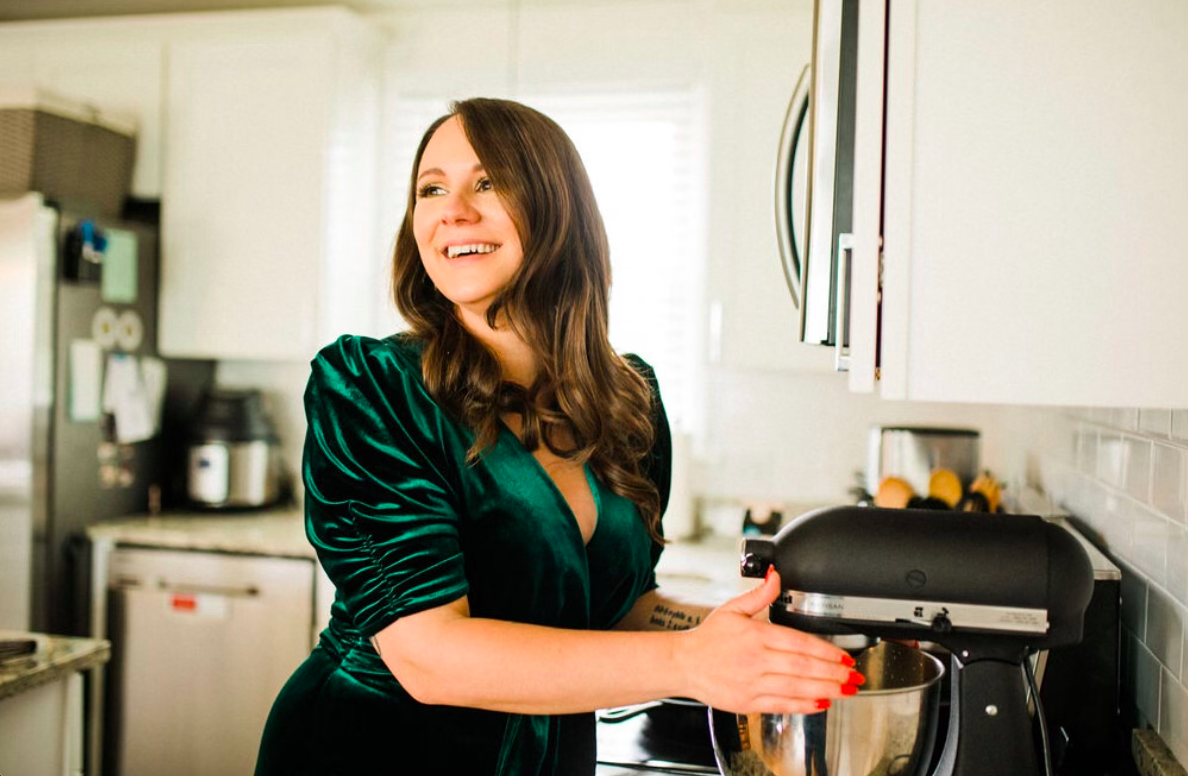
Wellness Isn't What We Think It Is
CW: disordered eating and weight loss
My love of cooking started young. The first thing I ever remember creating was a jammy, fruit enchilada dish with rice...not my best work but my parents were gracious enough to pretend to like it. My connection to creativity has always been cooking. But in middle school, I saw the beginnings of an eating disorder that would consume me for the next decade. My relationship with food soured, and there’s little need to cook when you’re not eating, so I stopped cooking for a long time.
Eventually, I realized not eating was going to get me caught and I would have to stop engaging in those behaviors, which I was not ready to do, and so I found “wellness.” Or the cult of wellness as I now call it. I was able to hide my disorders by cloaking them in socially acceptable behaviors like diets, cleanses, and an obsessive emphasis on fitness and running. Unsurprisingly, moving from not eating to wellness didn’t solve any of my problems. I still had body dysmorphia. My anxiety was consuming me from the inside out. Stress was taking a heavy toll on my life.
But during this time I got so many compliments. “You look amazing.” “Have you lost weight??” “Tell me your secrets!” “You must practice such restraint! I could never do that.”
I was getting compliments on my eating disorder. Because that’s what we think wellness is, don’t we? Thinness? Being physically fit?
It’s not. You can be thin and unwell. You can be fat and well. You can claim to “eat clean” (not a thing) and be mentally unwell. You can be fit and struggling with body dysmorphia.
When wellness focuses on physical appearance it fails us. It makes assumptions and judgments that are often false. It’s reductionist. It loses the context of community, it disregards the impact of racism and bigotry on our physical health, it forgets that wellness isn’t a rich (thin, cis, white) woman’s game.
I found my way back to my body through cooking. And therapy. I slowly realized that the walls of wellness I had built around me were actually prejudiced, insidious things built to make me feel safer because society told me that if I was thin I was good. I was better. I was best.
Eventualy I started eating bread again. And then I started baking it. And then I made pastries. And hand pies. And slowly. Over many years I peeled away the layers of diet culture. I continue to do so now.
When we created our Nourishment Beyond Food workshop it was to help others also get back to a connection with their food—to see food as nourishment but also a way to build community, to connect with the earth, to celebrate culture. It was also to get one to consider other areas of nourishment in their lives. As we often say “all the kale in the world won’t help if you’re not dealing with your stress, or if you lack joy, or if you’re ignoring your mental health.”
I challenge you this week to rethink what you think you know about wellness. Investigate your assumptions. Dig into the history of BMI. Do research on how the medical industry continues to fail BIPOC men and women every day. Research how fatphobia affects the mental and physical wellness of those living in stigmatized bodies. I challenge you to get back in the kitchen as a celebration of community and togetherness.
-Elizabeth Moore
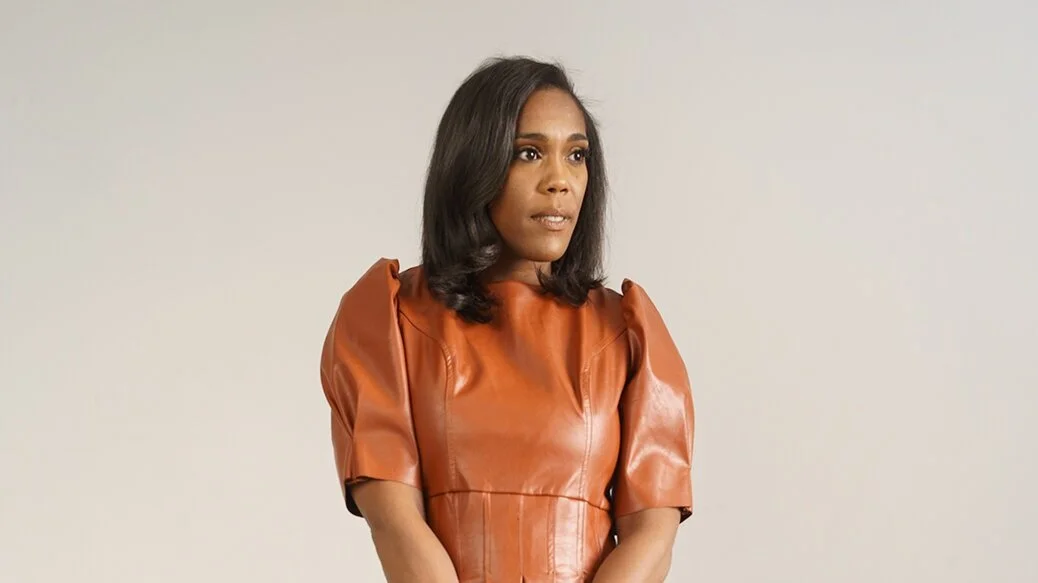
Are You Hiding In Your Whiteness?
Here we are in the month of April, only 4 months in, and I don’t feel that same level of hope. I’m losing faith in the police and the individuals who claimed all summer that Black Lives Matter but who are now back to regularly scheduled programming. I think often to myself about how good it must feel to go on about your life and escape reality. To continue on in the world like BIPOC aren't still being tortured and killed. To hide in whiteness: To be able to storm the capital building with no injuries or death or to be able to claim the shooting of someone was an accident and then to simply resign and walk away quietly.

I entered into this year with some hope. Hope that after last year’s tragic events the world would be on the road to some kind of recovery. Everyone was “woke:” Donating and supporting Black businesses and creators, posting black squares, marching, using their voices for the cause. We had “allies.”
Now here we are in the month of April, only 4 months in, and I don’t feel that same level of hope. I’m losing faith in the police and the individuals who claimed all summer that Black Lives Matter but who are now back to regularly scheduled programming. I think often to myself about how good it must feel to go on about your life and escape reality. To continue on in the world like BIPOC aren't still being tortured and killed. To hide in whiteness: To be able to storm the capital building with no injuries or death or to be able to claim the shooting of someone was an accident and then to simply resign and walk away quietly.
To hide in whiteness.
I asked my team of white women this question yesterday. “Are you hiding in your whiteness?”
As a black woman, I can’t answer that questions for you. But if you feel that sting in your stomach and throat when you read that question, you probably are.
My team shared some insightful thoughts that I want to share with you as you call yourself in, observe where you are, and claim to by an ally:
Elizabeth: It’s impossible to imagine what it feels like to experience this trauma on a daily basis. As a white person, it’s easy to distance ourselves from it or to intellectualize it. I have been guilty of that many times. It is in fact part of Ashley and I’s origin story. Yet I know I still hide in my whiteness and that my whiteness hides me. It’s a default setting I/we have to actively turn off. Every day. (DM directly for resources)
Grace: I can’t imagine the trauma you are going through and I’m thankful for the accountability check. I’m thinking this morning about the privilege of becoming desensitized to this violence versus each murder building and compounding trauma. I have been taking it for granted that I am able to distance myself even though as Liz said, I can conceptualize + logic-my-way out of experiencing real empathy. Thank you again and I’ll continue to fight that instinct to distance and hide.
Sev: I’m so appreciative of this accountability check and space where we can have discussions like this. Grace your point about being desensitized to the violence vs experiencing the trauma really made me stop, think, and check myself. thank you for sharing your thoughts! I am guilty of hiding in whiteness and distancing myself from the violence. The violence that others face on a daily basis. These discussions are so necessary and again I’m just truly grateful to have this space and this team to help me grow and recognize where I can do better. Thank you.
So the 2 questions I have for you are:
Are you hiding in your whiteness?
Are you, as a leader, creating spaces for your team to have open dialogue around race, trauma, and/or mental health?
-Ashley Brooke James

What Does It Mean To Call Someone In?
When we were doing the “Wellness Includes Me” training with Jess Thompson Wellness she talked often about “calling IN” before “calling OUT.” Said simply, it’s inviting them to have a conversation before exposing them to the world.
We have done this often in our work. We did it with our “Dear Karen” letter after we were asked not to host our Supper Club at a specific boutique hotel––because it was about diversity, equity, and inclusion. We did it after the super bowl when a local Nashville wellness studio posted a bunch of pro-Tom Brady content.
Most of the time we don’t get a response. We didn’t in the case of this wellness studio or the Karen letter. But this is the work we need to be doing as a community in order to create change.
We, (and here we are speaking to the white people in the room, self-included) cause more harm when we ignore the racist or ignorant behavior of our neighbors, friends, and family. We actively participate in the system of racism when we stay silent––in fact, the term is literally called "white silence." It is a violent act.
When doing this work we often hear that people are scared to call others out publically, and while we wish that wasn't the case, we understand it early on in your journey. The solution? Call people in. Invite them to have a conversation. You can use prompts like, "Hey did you know XYZ," or "Hello, I would love to have a conversation with you about how this might be harmful," or even "Would you be willing to have a conversation with me about this?"
We know that this might be difficult but nothing could be more important. For change to happen we must create it through conversation, action, and intention (and policy).
Actions and takeaways:
Are there people or businesses in your life that you could invite to the table by calling them in? Identify a couple and try reaching out.
If you call in and you don’t get a response then you can put some public pressure on with a call OUT.
This is not to tone police––especially BIPOC reading this. Honestly, if you want to start by calling someone out we support you 100%.
What other ideas do you have for calling people in? Have you done this before? Let us know below!
Eating On Camera: A Journey With Elizabeth Moore
Content Warning: Eating Disorder Discussion
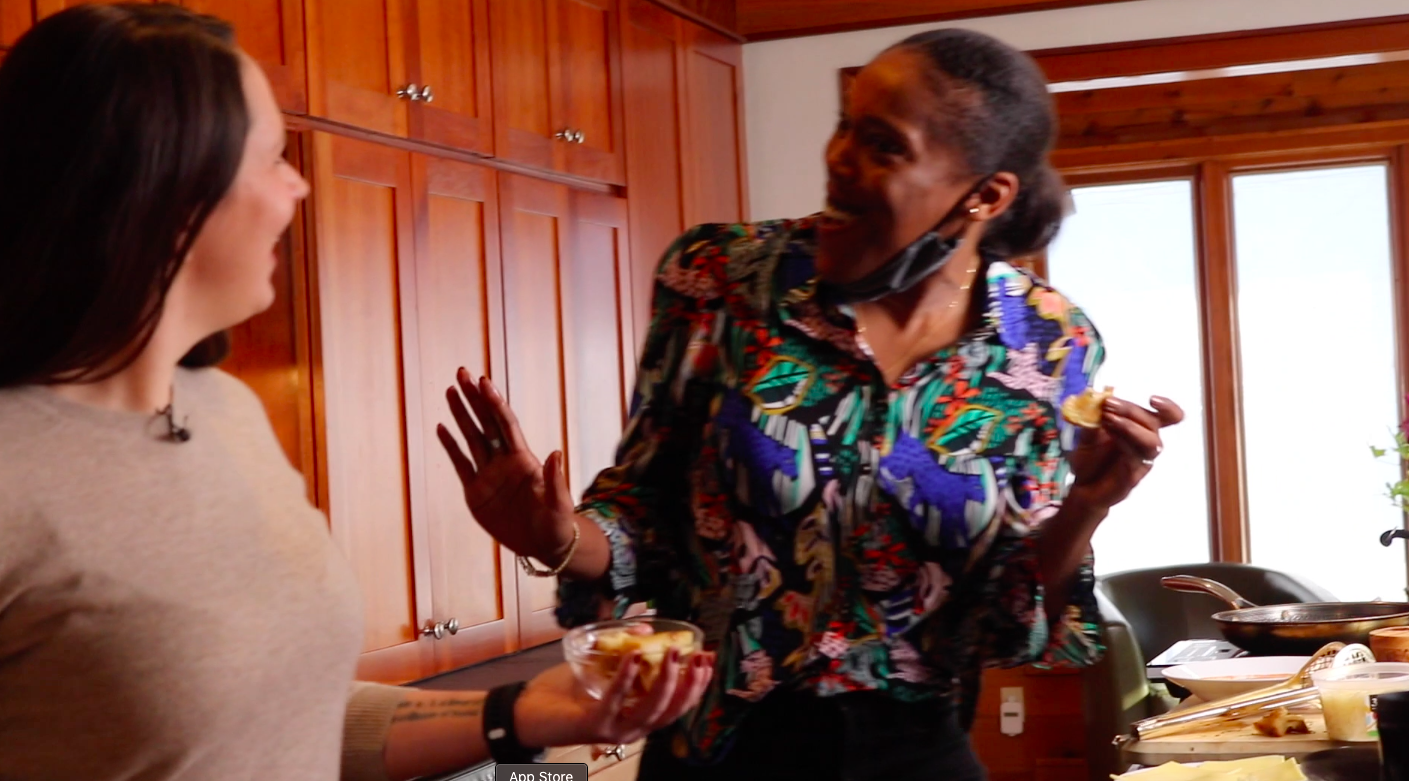
When our new Marketing Coordinator joined our team last week we asked her to try and get some b-roll of a cooking class we had for a corporate client. We had no idea when we asked her to do that that she would capture this incredible moment for me and for our team.
I found my way to wellness as a way to hide my eating disorder. When my eating disorder was most active I would skip meals for days, work out, and sometimes purge. Eventually, that behavior was found out and I was sent to therapy. I went to Christian family therapy and they were not equipped to handle my ED––which is a conversation we all need to be having. One of the ways my ED presented as a soul-crushing fear of eating in front of people. I was terrified they would see me eating and make judgments about me, and my body, and my lack of self-control. I literally would cut the inside of my sandwiches out before school, throw it away, then take the crust and put it on the table at lunch so people would think I had eaten and they would leave me alone. My first therapy experience in therapy was group therapy. They took us out to dinner. I still remember everything about it. It was humiliating.
I realized I would have to take charge of my own “healing” so I could trick my parents into not sending me back to therapy (note: I do not recommend this). So. I found wellness. No one judged me if I was eating carrots and lettuce and drinking smoothies all day. It made it easy for me to hide in plain sight. My relationship with food was still massively disordered, it was just massively disordered in a socially acceptable way.
My journey from not eating, to maniacally controlling what I eat, to intuitive eating, and finally to this place now that I don't have a name for has been long (Kate Moore recently posted about empowered eating which she learned from Jess Walker and that sounds right to me as well). I eventually got a better therapist. I started to understand my thin / straight-bodied privilege and work to advocate for a world that cares more about who we are and less about what we weigh. I found my way out of the "wellderness”––as much as one can in a society that moralizes wellness and equates it with thinness at literally every turn.
And now we're here. At this video. In my lifetime I have gone from pulling the guts out of my sandwich before lunch to eating on camera. Thank you to my team and to Kirbee of Kinimi Kitchen for celebrating this win and this realization with me. Thank you to Ashley for being as excited about this as I am. You are so special. I love you all. - Elizabeth
A Letter From Ashley -- MLK Day 2021
“I have a dream that one day little black boys and girls will be holding hands with little white boys and girls.” - MLK
Oh how far we’ve come but little progress that it seems we’ve made. This past year and weeks have led us to believe that is true.
When we started TRILUNA the idea of being intentional about building a diverse company seemed simple. We would gather people from different races and backgrounds so people would be sure to see reflections of themselves in everything we did.
The idea was not so simple. It’s actually been a pretty rough road. It first started with me and Liz. We had to truly understand each other’s life. We are having hard conversations, learning to use our voice when we are afraid, and come to an understanding that our backgrounds and the way we were raised are completely different. And no matter how hard we try we will never truly understand what it’s like to walk in each other’s shoes.
We started our Diversity and Inclusion series to have a safe space for our community to have open, realistic conversations. Liz and I facilitate these conversations. We never position ourselves as experts but pride ourselves on creating environments where people can be transparent + feel comfortable in the uncomfortable.
Even on the hard days I couldn’t — wouldn’t ask for another little white girl to hold hands with. Liz, I appreciate you and what we’ve built together. I appreciate your activation and most importantly I appreciate you for always encouraging me to use my voice with no apologies.
